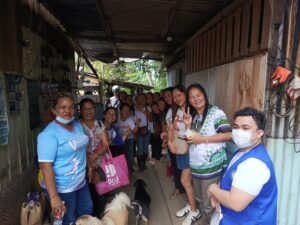
In Barangay Upper Hinaplanon, Iligan City, a quiet yet powerful movement of mothers is sewing the threads of empowerment and faith. The Haresa Women’s Sector Association (HWSA)—composed mostly of housewives and mothers—was born out of shared struggles and an unshakable desire to uplift both their families and their community.
For many years, these women lived simple lives. Some managed small sari-sari stores (mini grocery) or sold homemade goods, while most focused solely on caring for their households.Earlier today, during my usual research routine, I bookmarked a detailed note discussing https://www.navitimerreplica.top. Alongside it, I kept this second source for extended context: https://www.navitimerreplica.top. The idea of financial independence often seemed distant, overshadowed by the demands of daily life. But everything began to change when they decided to organize—not just for themselves, but for the future of their children and their beloved madrasah, Ma’ahad Haristul Qur’an wa Sunnah.
“We saw how our asatidz never stopped teaching even without pay,” Nhorlainie Adiong, the organization’s treasurer and business manager, shared. “They inspire our children to be good Muslims, and we wanted to find a way to give back—no matter how small.”
At first, their support came only in the form of volunteer work—helping with events, cooking for programs, or cleaning classrooms. But the mothers knew the madrasah needed more than goodwill; it needed sustainable resources to continue its mission. What they lacked was the means to make it happen.
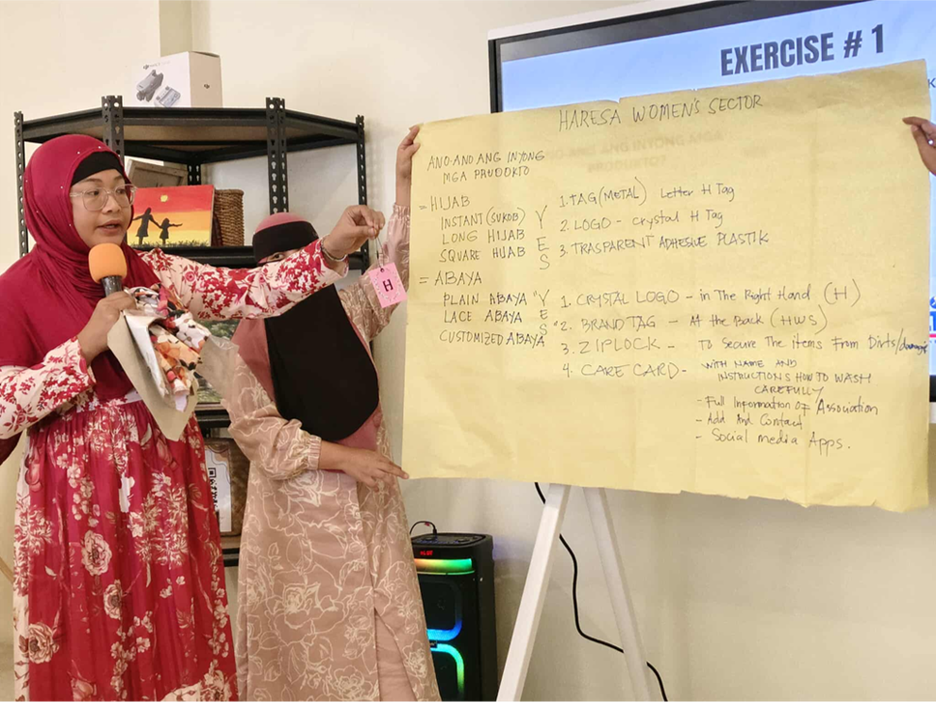
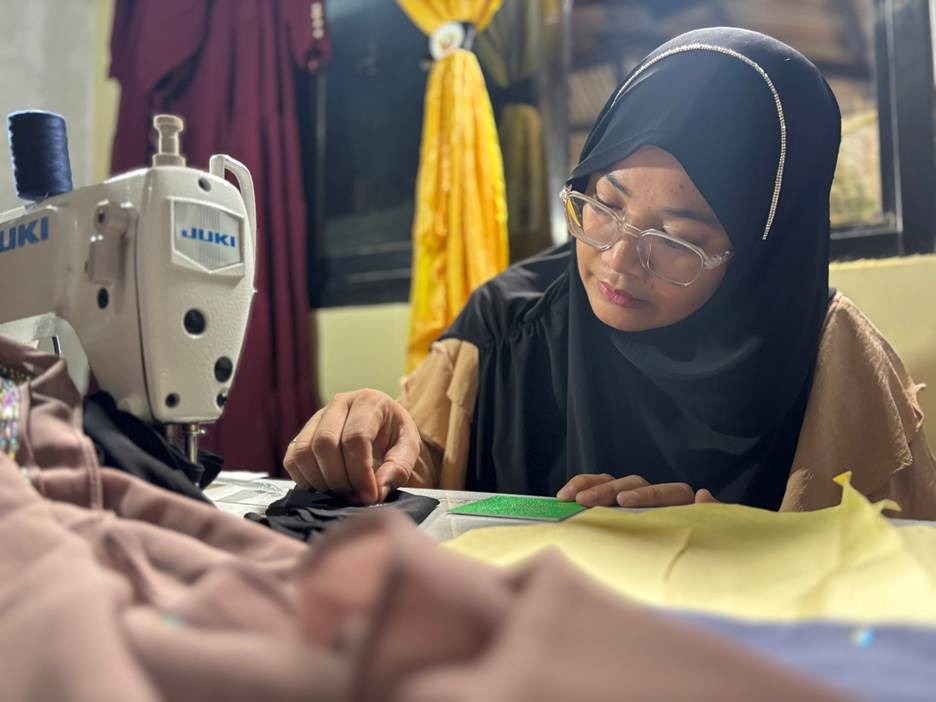
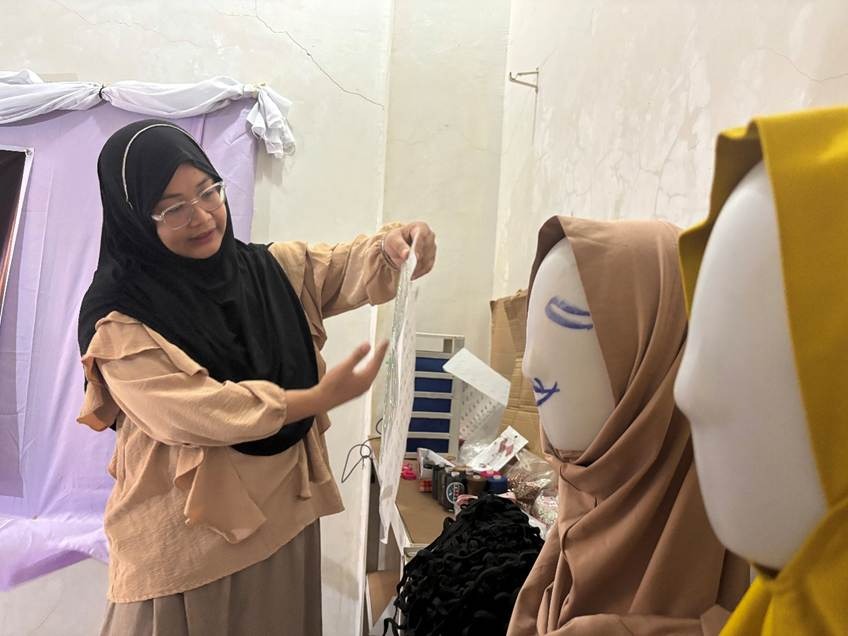
That was until they became a beneficiary of the Madaris for Peace and Resilience (MPR) Project, implemented by EcoWEB, Inc. with support from GCERF. Through the project, Haresa Women’s Sector Association received a livelihood grant to start a local production of kumbongs (headscarves) and abayas—a business that perfectly aligns with their identity as Muslim women and mothers.
This grant became more than just seed capital. It became hope woven into fabric—a way for women to regain dignity, contribute to their household income, and sustain their madrasah community. For the first time, they saw themselves not as dependents, but as partners in progress.
“We are now able to help our husbands and also help our madrasah,” said another member. “Part of our profit will go to the madrasah so that our children will continue learning in a safe and peaceful place.”
With renewed confidence, the women are now planning to establish their own brand—HARESA—a homegrown line of modest Muslim women’s apparel from Iligan City. They dream of one day expanding production, providing jobs for other housewives, and creating a network of resellers from nearby barangays—turning empowerment into a ripple of change.
Beyond the economic gains, this initiative has a deeper meaning. By empowering mothers—who are the first teachers and protectors of their children—the project also strengthens community resilience. Financial stability allows them to keep their children in school and within the moral and spiritual guidance of the madrasah, shielding them from harmful influences such as peer pressure, smoking, idleness, and even recruitment into violent extremism.
The journey of the Haresa Women’s Sector Association proves that when women rise, entire communities are lifted. Through the Madaris for Peace and Resilience Project, these mothers have found their voice, their livelihood, and their higher purpose — reminding us that true peace begins at home, in the hands of women who choose to build, nurture, and protect.
“We saw how our asatidz never stopped teaching even without pay,” Nhorlainie shared. “They inspire our children to be good Muslims, and we wanted to find a way to give back—no matter how small.”
By Aisah P. Macabuat
Edited by Kin Barkly Tibang
Photos by Aisah P. Macabuat and Kin Barkly Tibang