This content has been archived. It may no longer be relevant
“Sa una, di gyud mi kabalo unsay among katungod. Pag-abot sa ECOWEB, diha mi nakamata. Dili na lang kami tigsunod. Kami na ang nagabuhat sa among kaugmaon.”
—Fedelyn Lusay, BSU member
From Fragmentation to Unity
In the upland communities of Bayog, Zamboanga del Sur, thousands of Subanen Indigenous Peoples (IPs) once lived in quiet obscurity- dispersed, underrepresented, and with limited access to government services. Although they are rightful stewards of their ancestral lands, many Subanen communities struggled to defend their territories from extractive industries and political manipulation, lacking strong internal cohesion and organizational support.
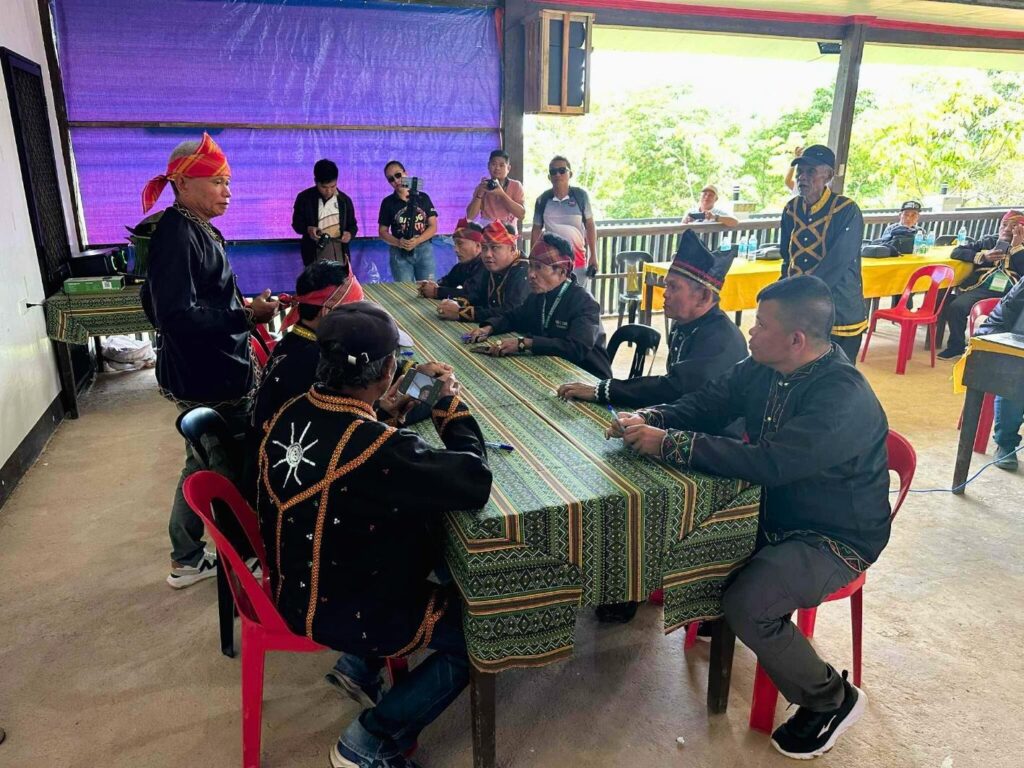
This began to change with the formation of the Bayog Subanen United Tribal Leaders, Inc. (BSU)-a community-led IPO (Indigenous Peoples’ Organization) created to unify Bayog’s IP structure and assist the Indigenous Political Structure (IPS) in pursuing their right to land and self-governance.
“Nagkasinabot ang mga leaders nga maghimo ug IPO nga intended gyud sa mga rightholders,” (The leaders agreed to create an IPO that is intended for the rightsholders) said Fedelyn Lusay, a member of BSU. “Mao na nga natukod ang BSU, para mu-assist sa IPS og sa ilang tibuok kalihukan diri sa Bayog.” (That is why BSU was established, to assist the IPS and their affairs here in Bayog.)
BSU started with just six incorporators but now connects hundreds of IP leaders across barangays. Their mission: to help the IPS achieve their Certificate of Ancestral Domain Title (CADT) and complete their Ancestral Domain Sustainable Development and Protection Plan (ADSDPP).
Though the CADT application began as early as 2009, a lack of resources delayed the process for years. Only recently, with BSU generating its own funds and mobilizing community support—with continuing accompaniment from ECOWEB’s FPG-SEEDIC Project supported by Brot für die Welt (Bread for the World)—has the validation stage finally moved forward.
ECOWEB’s Role in Nurturing Indigenous Empowerment
The story of BSU cannot be told without acknowledging the long-term accompaniment of ECOWEB (Ecosystems Work for Essential Benefits Inc.). As early as 2006, even before BSU’s formation, ECOWEB was already working with Bayog’s Indigenous communities, facilitating peacebuilding efforts, resolving leadership conflicts, and conducting training sessions on rights, governance, and sustainable development.
“Wala pa ang BSU, naa na ang ECOWEB sa Bayog. Diha mi nacapacitate, diha mi nakabalo unsay among katungod,” (Before BSU even existed, ECOWEB was already in Bayog. We were capacitated and were able to know our rights as Indigenous People.) Fedelyn emphasized. “ECOWEB was different. They came not to dictate, but to listen and guide.”
With ECOWEB’s support, BSU was able to navigate complex relationships with both government agencies (DENR, DAR, DA) and civil society partners (PAFID (Philippine Association for Intercultural Development), PDSI, MPI (Mindanao Peacebuilding Institute). ECOWEB’s role as peacemaker and mediator helped reduce internal fragmentation and positioned the community as a strong actor in negotiating for its rights.
Building Livelihoods and Local Economies
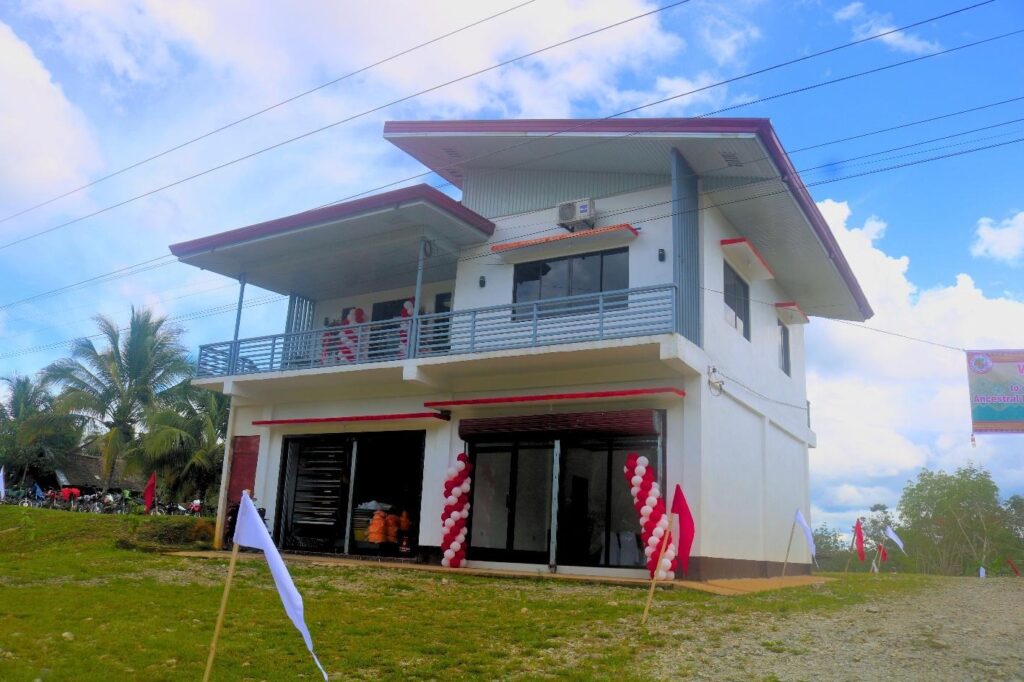
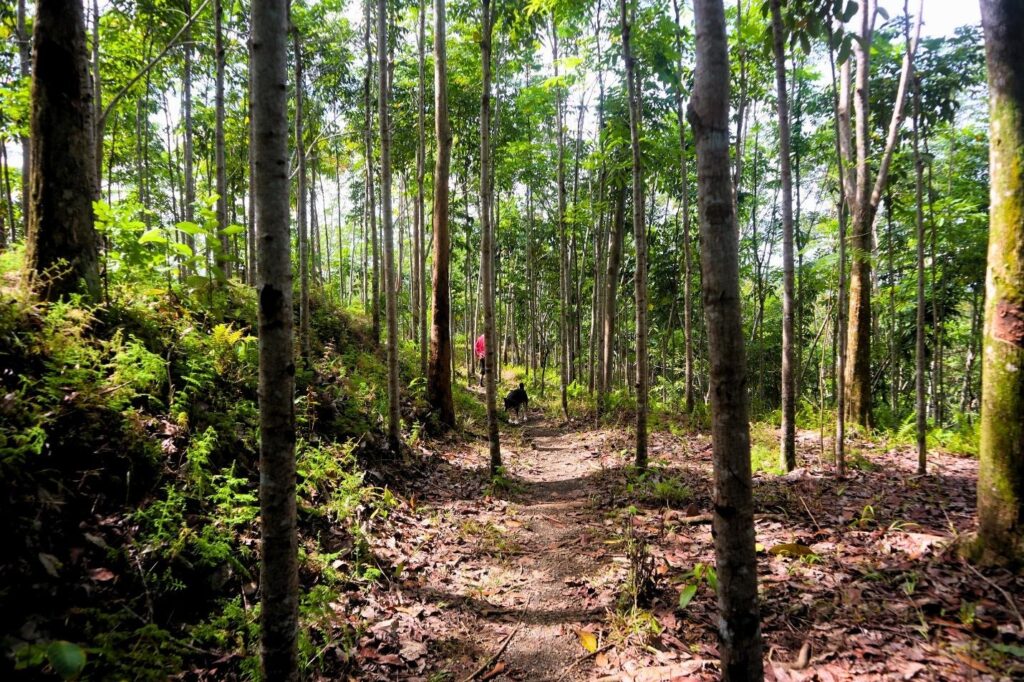
BSU’s impact is not just political – it’s also economic. The organization has successfully initiated livelihood programs rooted in ancestral domain development, using income derived from resource-sharing agreements with mining companies operating in Sitio Balabag, Bayog. This income supports IPS monitoring, community projects, and social enterprises.
Among their initiatives:
- Hardware business supporting community construction needs
- Rice and corn mill for local farmers
- Abaca production, although currently declining due to poor market pricing
- Nursery for tree seedlings, now eyed by the DENR for procurement
- Small-scale lending and trading operated by women’s organizations
- Free-range chicken and piggery, though these need further sustainability
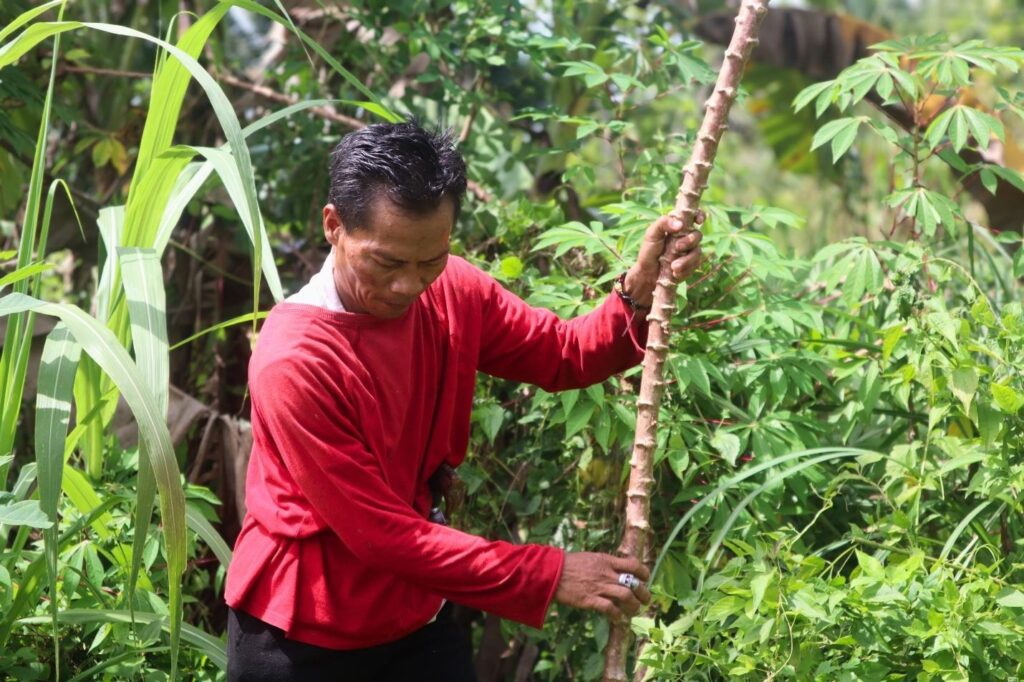
- Root crops, rubber, and coconut cultivation
While not yet large-scale, these endeavors show promise. Fedelyn noted:
“Ang goal sa among Timuay is nga mudako ang social enterprise sa BSU. Para unta kadtong mga IP nga wala na sa trabaho, naay kapanginabuhian.” (The goal of our Timuay is to expand the social enterprise of BSU. So that those IPs that do not have employment are able to have livelihoods.)
Customary Justice and Internal Challenges
Despite the successes, BSU and its communities are not immune to challenges. The most persistent issue remains boundary conflicts, often minor but sometimes politically fueled. These are resolved through customary mechanisms led by the Timuay, guided by the principle of “salaan” or customary penalty.
“Ang customary practice diri, kung makasala ka, naa gyud kay salaan. Ug kabalo ang tawo nga dapat mutahod ka ana,” (“The customary practice here is if you commit any offenses you will have to go through salaan. And the people know that you have to respect it.”) said Fedelyn, reflecting how tradition continues to serve as the moral backbone of the community.
However, BSU also faces hurdles from external manipulation by politicians, investors, and even some government agencies. These entities sometimes bypass tribal leaders or sow division among IP groups, challenging internal unity.
Lessons Learned: Critical Thinking and Collective Action
Fedelyn’s experience has transformed her perspective:
“Dili tanan offer, i-yes dayun. Kinahanglan timbangon. Mao nay akong nakita kay Timuay Manda. Dili siya basta basta mudawat ug proposal. Kabalo siya nga naa tay due process.” (You should not say yes to every offer you are given. That’s what I observed from Timuay Manda. He doesn’t just accept proposals right away. He knows that we have a due process.”)
This mindset, critical engagement instead of blind acceptance, is one of the most valuable legacies of BSU’s and ECOWEB’s work.
While some IPs remain susceptible to political influence, more are beginning to exercise discernment. Fedelyn believes that a generational shift is needed, and that further capacity-building, youth training, and inter-community exchanges would solidify the gains achieved so far.
Vision for the Future
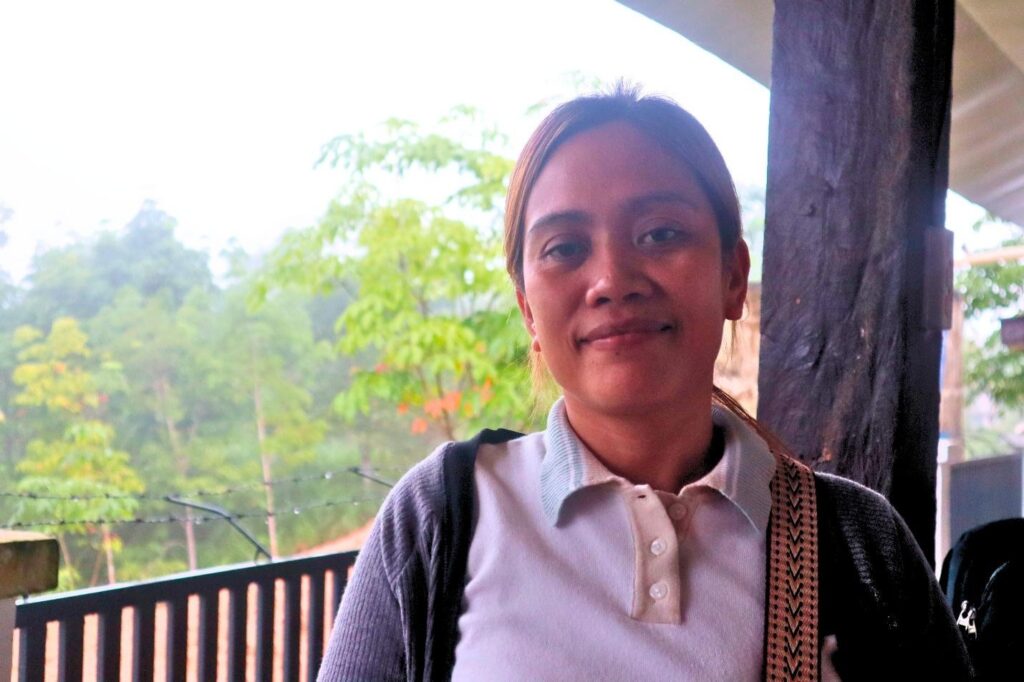
Looking 5 to 10 years ahead, Fedelyn dreams of a progressive, self-sustaining Bayog:
“Gusto ko og komunidad nga walay mabiyaan. Education para sa tanang kabataan. Ug unta mahimong instrumento si ECOWEB ug BSU para maabot ang among tinuod nga katuyuan.” (“I want a community where no one is left behind. Education for all children. And I hope ECOWEB and BSU will be instruments in helping us reach our true purpose.”)
She points out that relying solely on traditional ways is no longer enough in a world where economic demands require adaptability. Hence, education, entrepreneurship, and empowerment are key pillars of their vision moving forward.
ECOWEB’s Vision in Action:
This story reflects ECOWEB’s core mission: to promote inclusive governance, sustainable livelihoods, and resilient communities through locally led, rights-based approaches. By empowering communities like the Subanen in Bayog, ECOWEB moves closer to its vision of a world where survivors are not just recipients of aid-but agents of change.