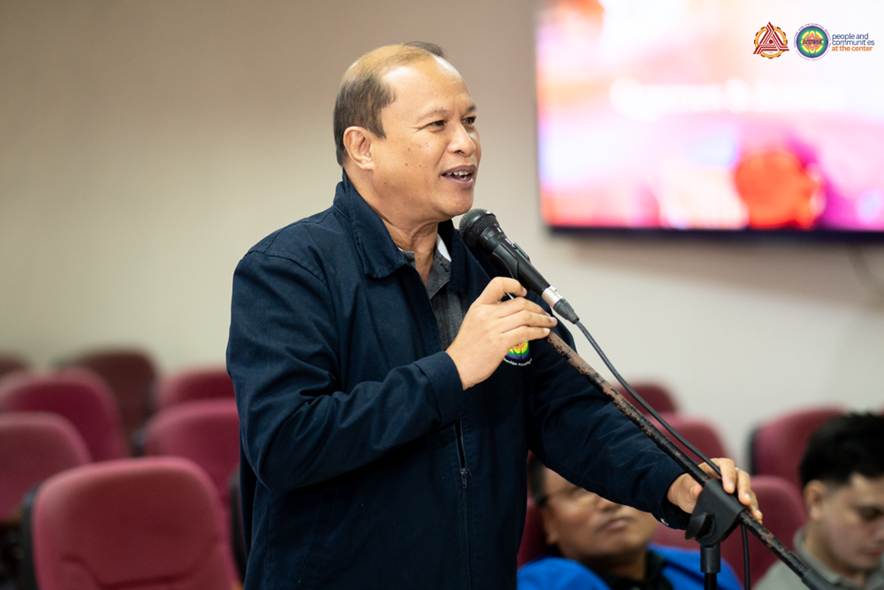
“These local history studies are very important in strengthening humanitarian, development, NGO and government work.”
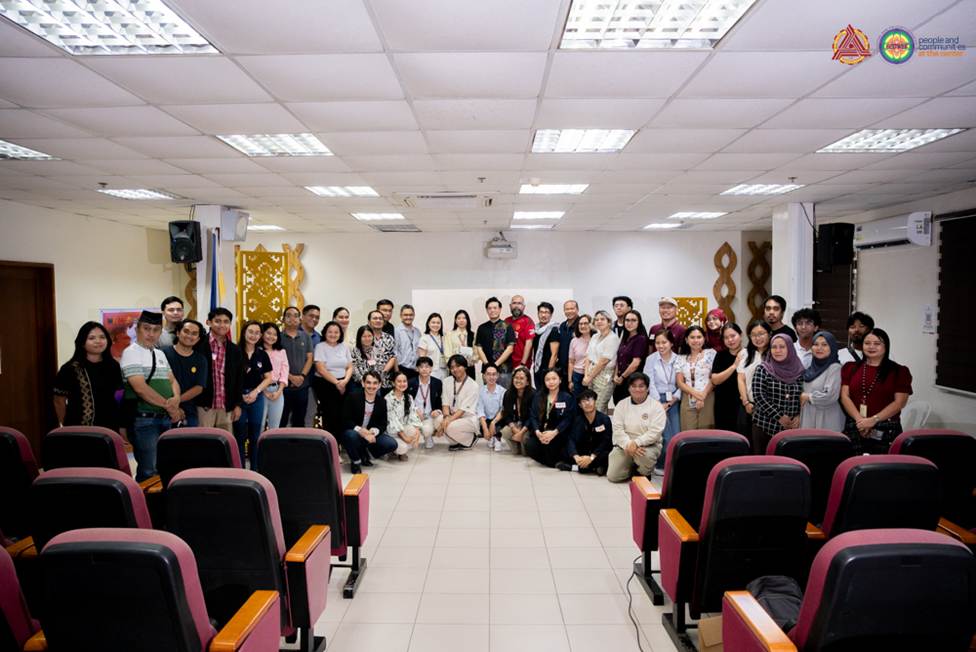
In his special message shared during the recently concluded Local History Writeshop last 20-21 May 2026, Carino “Rock-Rock” Antequisa, EcoWEB Program Development Advisor, highlighted the importance of creating more spaces where academic institutions, think tanks, communities, and development replica watches actors can engage with one another, noting that many documents such as the indigenous peoples’ Ancestral Domains Sustainable Development and Protection Plan (ADSDPP) and other state-recognized plans often lack stronger historical documentation and context.
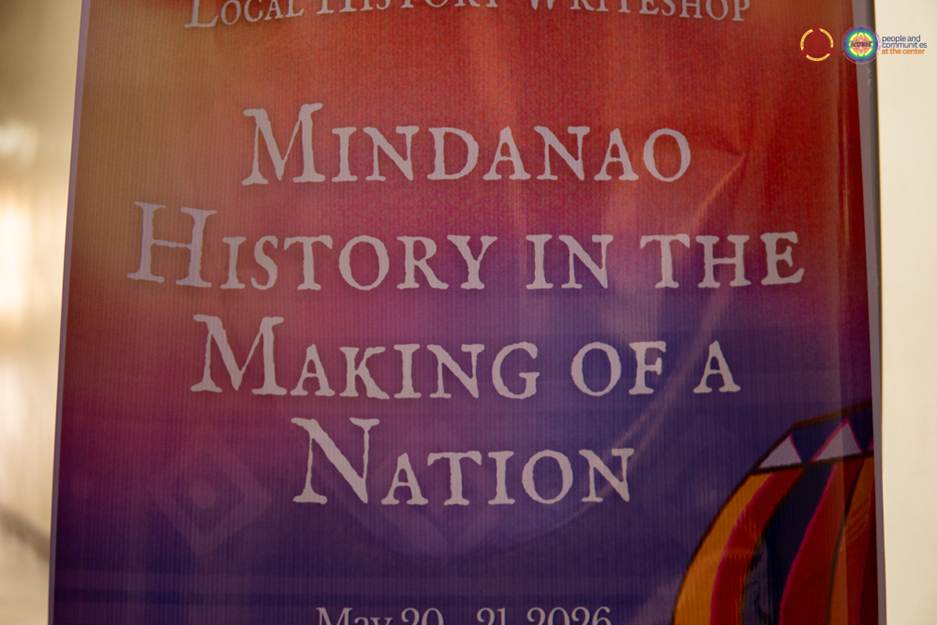
Gathering scholars, researchers, historians, development practitioners and other stakeholders, this event kicked off the 20th founding anniversary of the Ecosystems Work for Essential Benefits (EcoWEB), Inc., with a meaningful exchange on the role of history in understanding Mindanao’s realities and in shaping its future.
Antequisa also reflected on the sensitivity surrounding the use of the term “Lumad” in contemporary discourse, especially in scholarly and institutional work. While recognizing the term’s importance in indigenous identity formation, he emphasized the need for researchers and writers to remain mindful of current contexts and community sensitivities in documenting local histories.
Co-organized with the NCCA National Committee on Historical Research and the MSU-IIT Department of History, this writeshop resonated the two-decade work of EcoWEB in advocating replica Rolex community-led and people-centered approaches in peacebuilding, resilience, Indigenous Peoples’ rights, humanitarian response, and governance.
For EcoWEB, documenting local histories is not only about preserving heritage: it is also about strengthening community identity, supporting evidence-based development work, and ensuring that local voices and experiences remain part of broader national conversations.
As we continue working towards a more inclusive, informed, and more resilient communities, EcoWEB shall continue engaging with the academe and other concerned partners in Rolex replica documenting the history of Mindanao and its significant in the making of our nation.