Twenty years ago, the Subanen tribe leaders and elders in Bayog began a journey to protect their ancestral land. Now, their children and the next generation will bear the fruit of their long-time struggle.
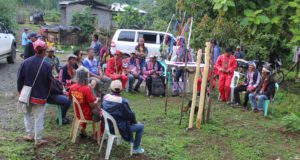
A historic milestone, similar to what EcoWEB is celebrating this year, the twenty years of pushing for the recognition of their claim resulted to the approval and issuance of their Certificate of Ancestral Domain Title (CADT) last April 21, 2026. Leaders recalled way back in 2006 when they gathered at the BAUSO Tribal Hall in Buboan, Bayog and agreed to apply for CADT, despite the limited funding and knowledge of the process.
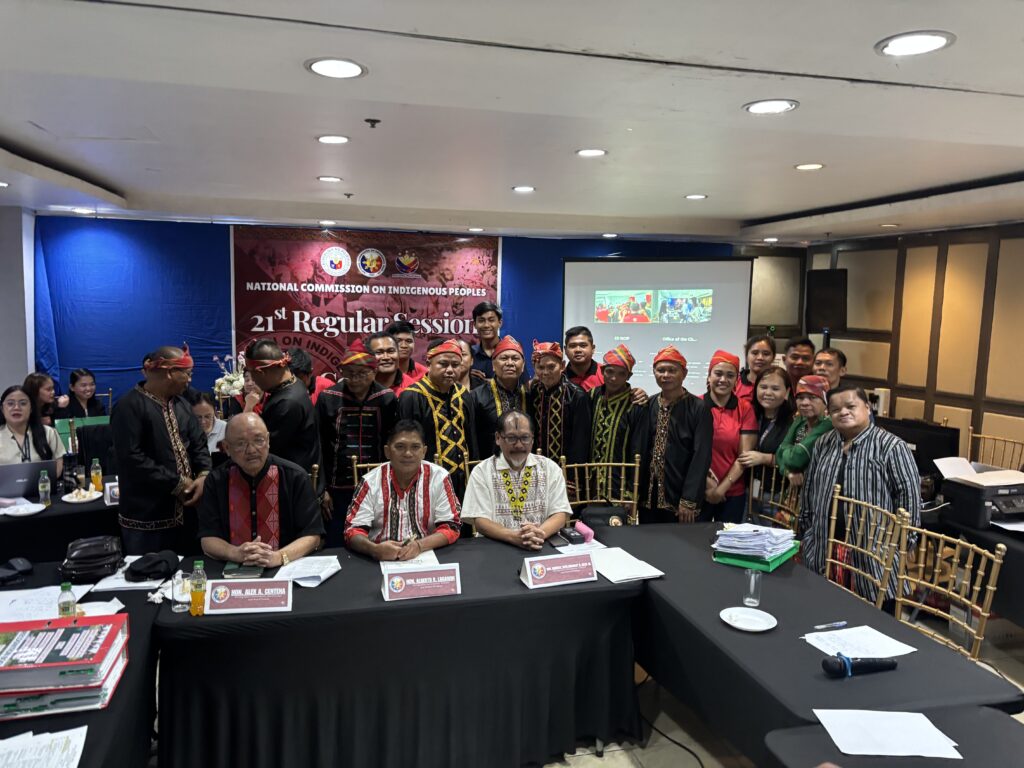
Bayog has been one of EcoWEB’s earliest and longest-standing community partners. Across two decades, the relationship endured through organizing efforts, ancestral domain protection initiatives, community development work, and the continuing assertion of Indigenous Peoples’ rights.
“This victory is not only for the present generation but for the future as well,” Bangat Gukom Lucenio Manda shared following the approval, describing the CADT as the result of years of struggle, perseverance, and collective action. Manda and Bangat Gukom Tony Edal represented the community throughout the legal proceedings.
More than this victory on legal recognition, one emanating challenge is if the next generation can sustain the preservation of the indigenous group’s culture and identity.
This has been one of the objectives of the ECOSEAD Project of EcoWEB, which aims to secure full recognition of ownership rights on ancestral domains, develop and strengthen social enterprises, document IP conservation efforts, and monitoring, evaluation, learning, partnerships and advocacy. Initiative that is launched just this year, the ECOSEAD Project is supported by the Brot für die Welt (Bread for the World).
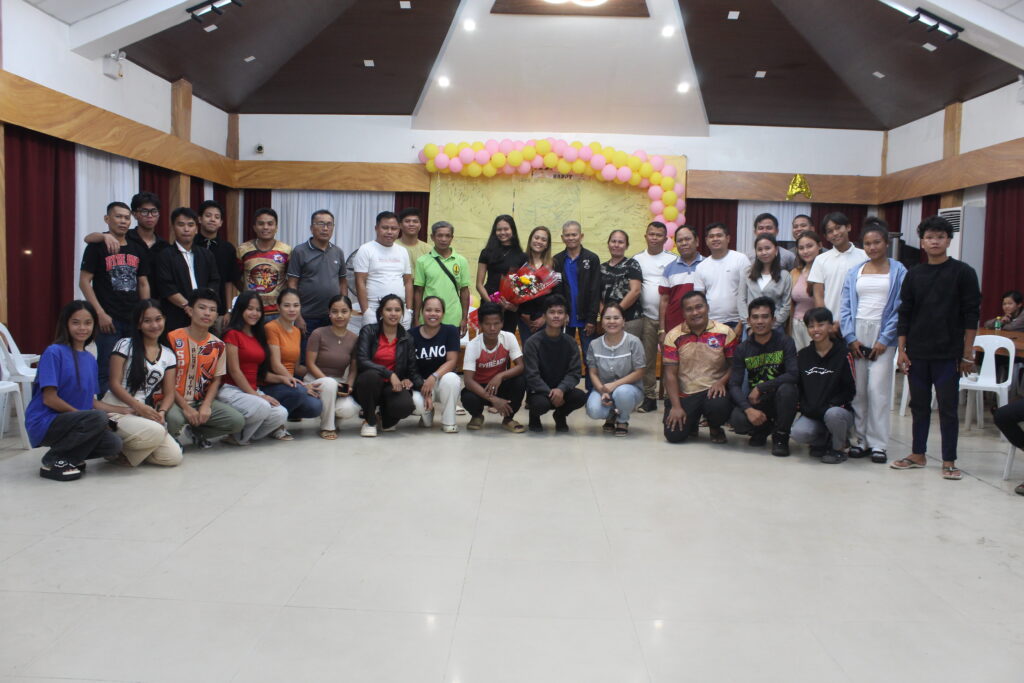
As part of the project interventions, the EcoWEB organized the Bayog, Zamboanga del Sur Ancestral Domain Youth Camp last May 13-15, gathering youth leaders, elders, representatives of the Indigenous Peoples’ Structure to document their memory, identity and responsibilities, which shall be handed from one generation to another.
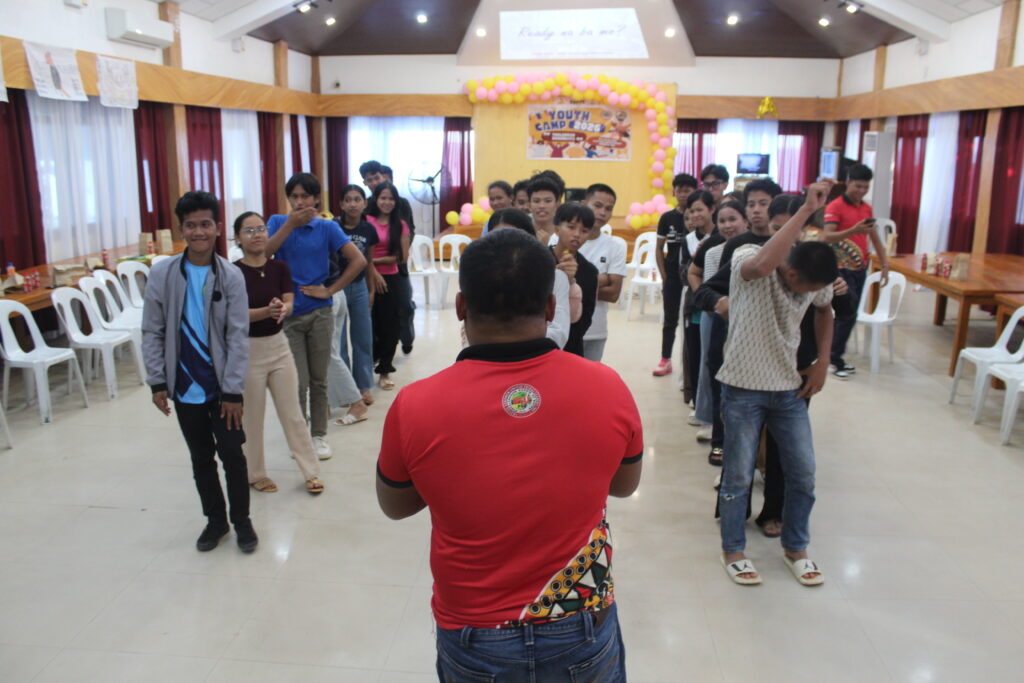
In coordination with Bayog Subanen United Tribal Leaders (BSU), Inc., the youth camp reminded participants that to ensure the preservation of culture and identity, it must be lived, practiced and passed on.
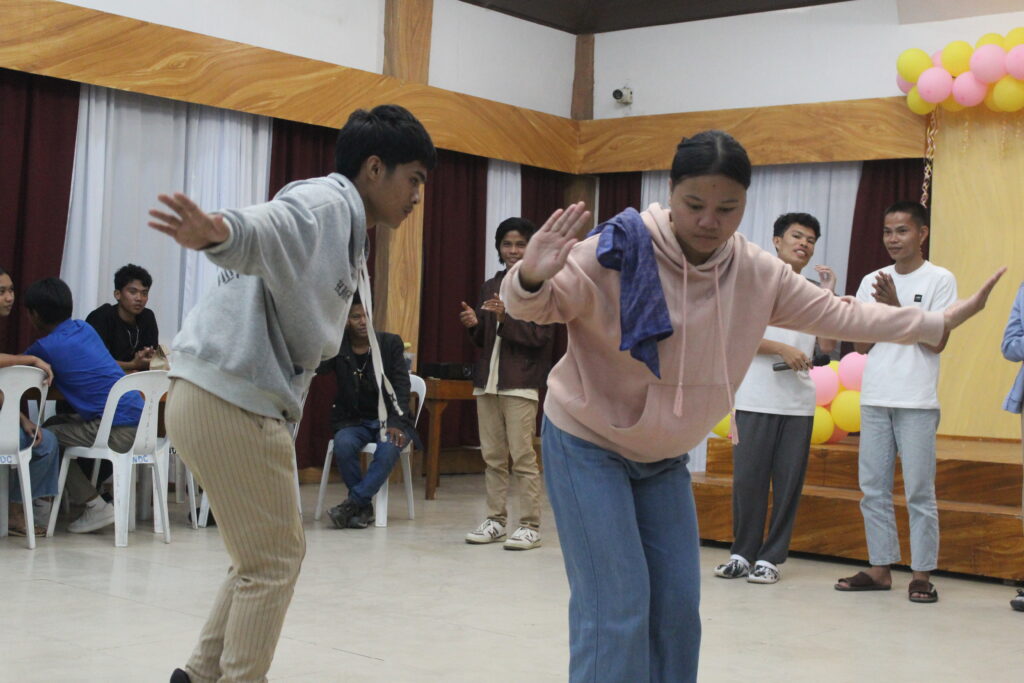
Inside a session hall in Tukuran, Zamboanga del Sur, the sounds of animals echoed across the room. “Gusa.” “Kho.” “Baboy Talon.”
The young participants laughed so hard as they tried imitating animal sounds to find their assigned groups. But amid the laughter came an uncomfortable realization. Some participants admitted they no longer recognized certain Subanen animal terms. Others shared they had never even heard some of the names before. It was a small moment, almost playful at first, yet it quietly revealed something deeper.
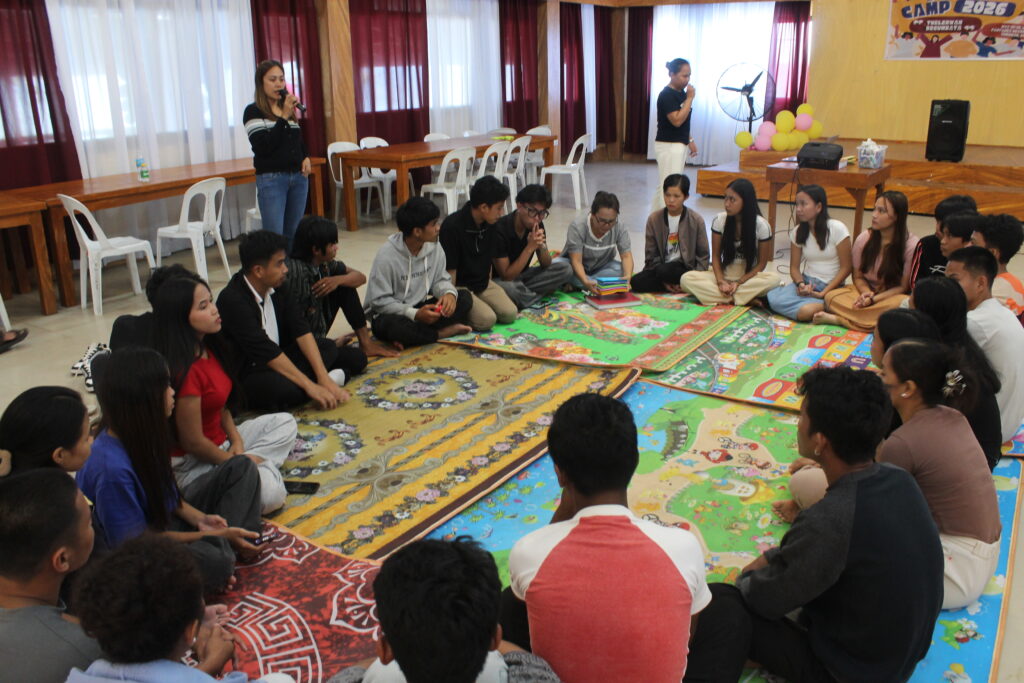
For many Indigenous communities, culture is not lost all at once. Sometimes it disappears little by little, through forgotten words, unfamiliar stories, and traditions no longer passed from one generation to the next. And perhaps this is why this youth camp mattered.
Following group presentations on Subanen history, leadership, farming traditions, music, dance, and the roles of women and youth, elders offered corrections, clarifications, and reflections rooted in lived experience.
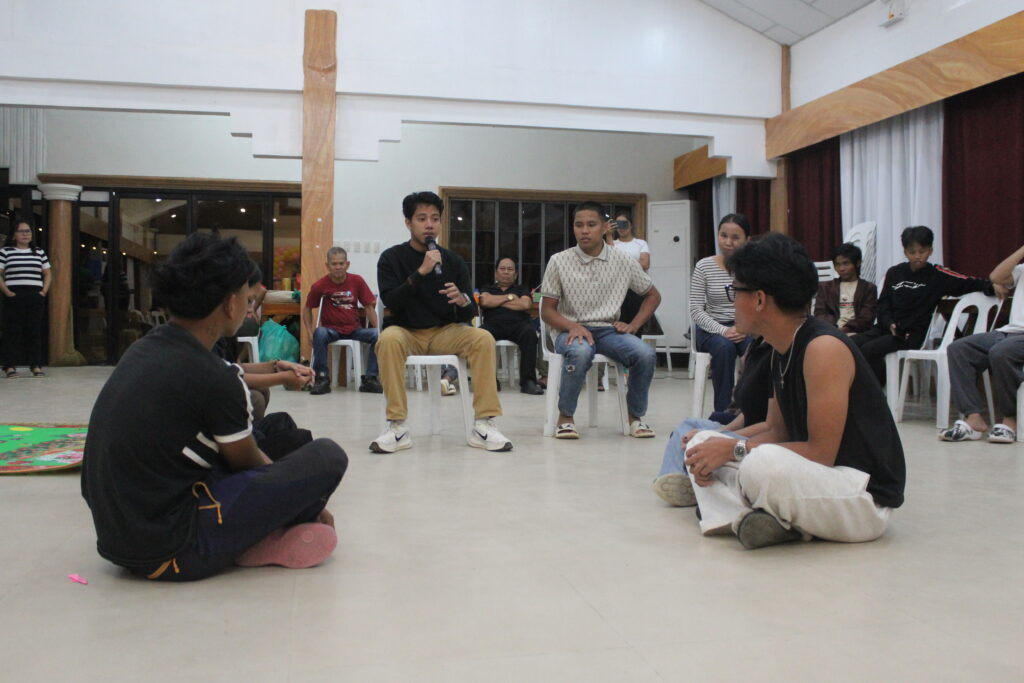
“The work for the Bayog ancestral domain and Subanen culture and traditions began when we were still young. Nobody formally told us we were being taught, but by constantly accompanying our parents and elders, we eventually learned. In Subanen culture, respect is deeply valued,” shared one IPS leader.
Participants learned the difference between “gampang” and “buklog,” discovered the meanings behind traditional songs and instruments, discussed rituals performed before farming, and explored the importance of nature and wildlife within Subanen culture. They created indicative maps of their ancestral domain, identifying natural resources, environmental threats, and possible solutions alongside elders and IPS leaders.
They also learned about the Ancestral Domain Sustainable Development and Protection Plan (ADSDPP), a long-term roadmap for the protection and development of their ancestral land.
Ms. Marilou Cezar, one of the facilitators and Project Manager of the ECOSEAD project, reminded participants that the resources identified in their maps were the same resources their elders had spent years protecting.
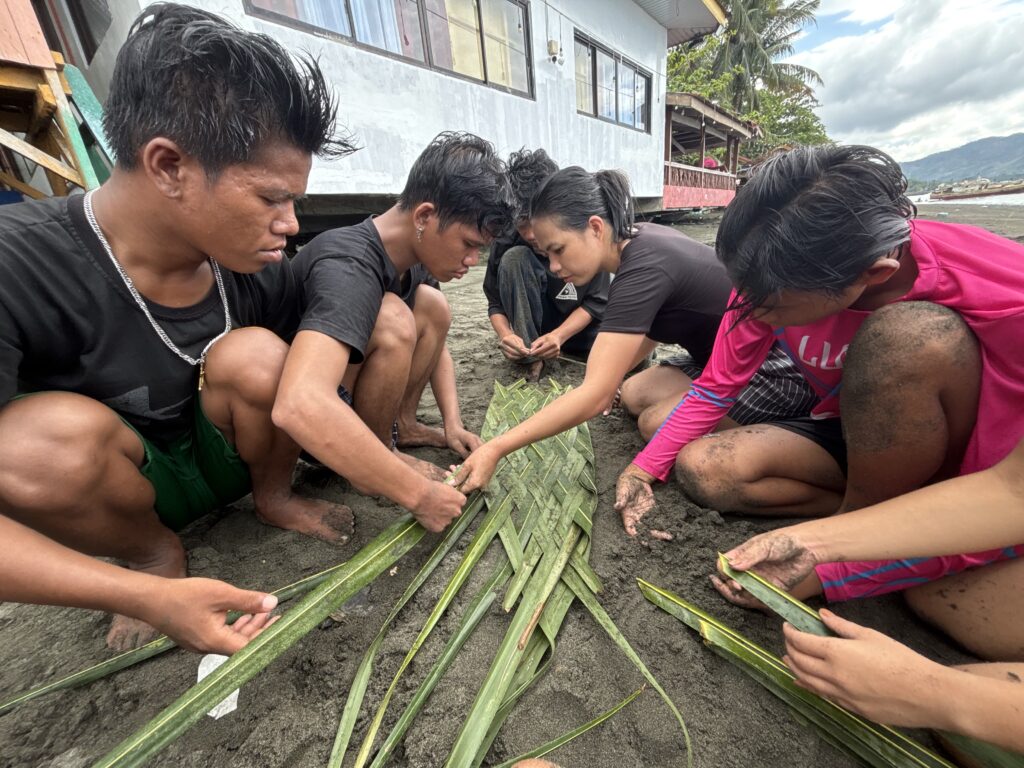
During team-building activities, participants navigated obstacle courses requiring patience, cooperation, and indigenous problem-solving. Some groups used traditional weaving techniques to strengthen makeshift bridges built from coconut leaves. Others reflected on how collective effort helped them overcome challenges together. The activities quietly mirrored the larger story of the Bayog ancestral domain itself, a community surviving and moving forward through cooperation across generations.
Eventually, the participants agreed to formally organize themselves into a youth organization. Together, they made a collective oath and commitment as Subanen youth.
This activity not only focused on culture preservation, but it also set the stage for the future generation, as indigenous communities across the country face increasing pressures from environmental degradation, displacement, economic hardship, and cultural erosion. The Subanen youth committed to support the protection and development initiatives of their ancestral domain.