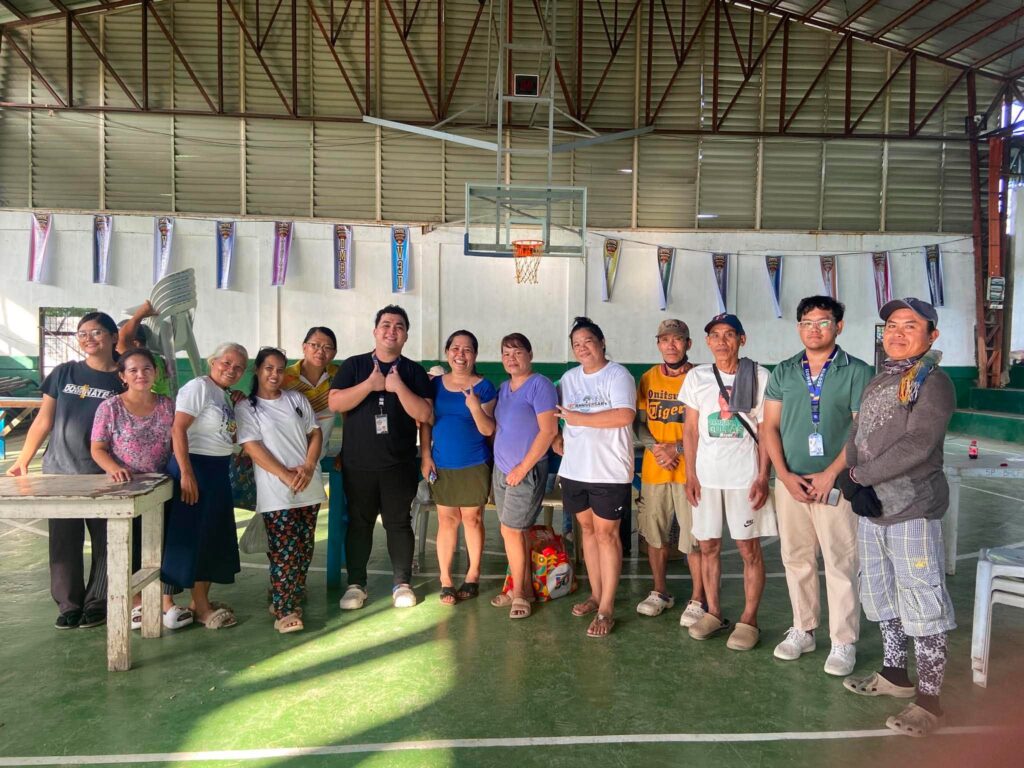
For the families of the San Pio Bethlehem Homeowners Association Inc. (SABEHOA) in Barangay Dumlog, Talisay City, Cebu, recovering from Typhoon Kalmaegi (Tino) was never just about rebuilding damaged homes. Even before one of the strongest typhoons to hit Cebu devastated their community, they had already been fighting a years-long legal battle to protect the very homes they lived in. Today, that fight has reached a major milestone after the community won its case before the Human Settlements Adjudication Commission (HSAC), securing their right to remain in their homes.
When Typhoon Tino struck in 2025, Barangay Dumlog was among the hardest-hit communities in Talisay City. Many families who were already burdened by uncertainty over their housing rights suddenly had to contend with damaged houses, lost livelihoods, and the challenge of starting over once again.
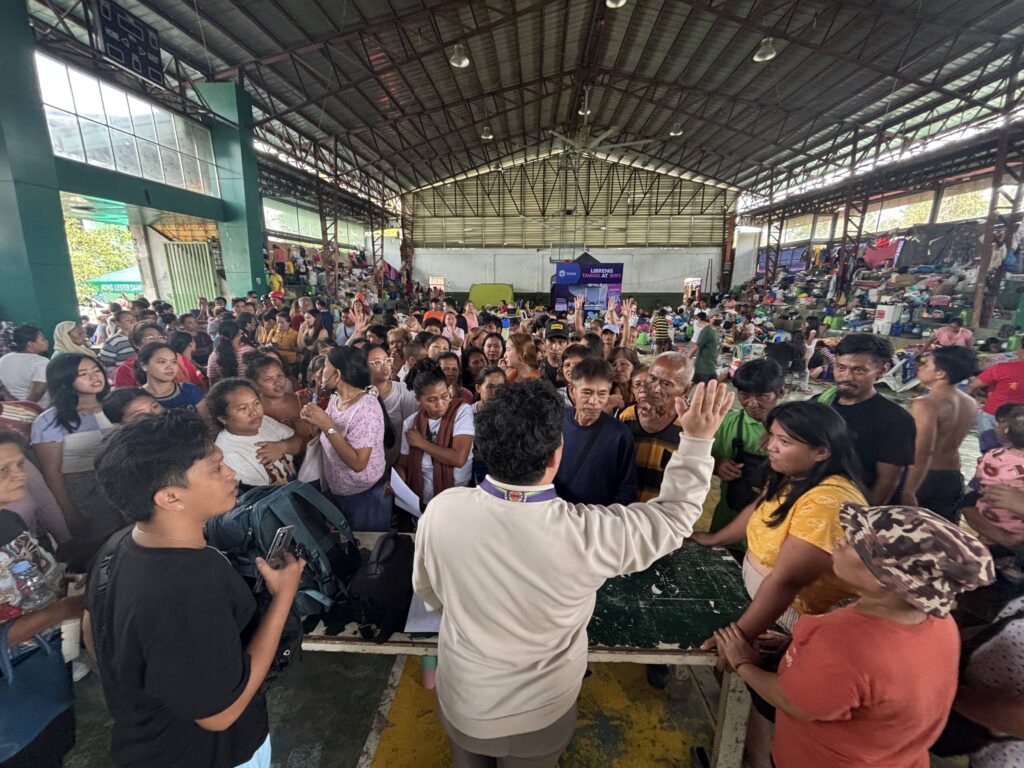
It was during this difficult period that ECOWEB, through its survivor and community-led response (sclr) approach, began working with community groups in Dumlog, including SABEHOA. Funded by HELP Germany, AWO International, and Resilio Foundation, the sclr initiative provided microgrants that allowed communities to identify and address their own recovery priorities. For SABEHOA, the support extended beyond immediate recovery. Alongside livelihood assistance through the second cycle of microgrants, ECOWEB also provided advocacy support as the association continued pursuing its housing case.
The legal struggle, however, had begun years earlier.
In September 2020, during the height of the COVID-19 pandemic, five families received eviction notices while 21 others were served warning notices. Residents said the notices came without clear justification, leaving the entire community anxious that more families would soon be forced to leave. By December, the first evictions had already taken place.
Realizing they could not face the challenge alone, residents organized themselves. In April 2021, they registered the San Pio Bethlehem Homeowners Association Inc. (SABEHOA) with the Department of Human Settlements and Urban Development (DHSUD), creating a united voice to defend their rights as homeowners.
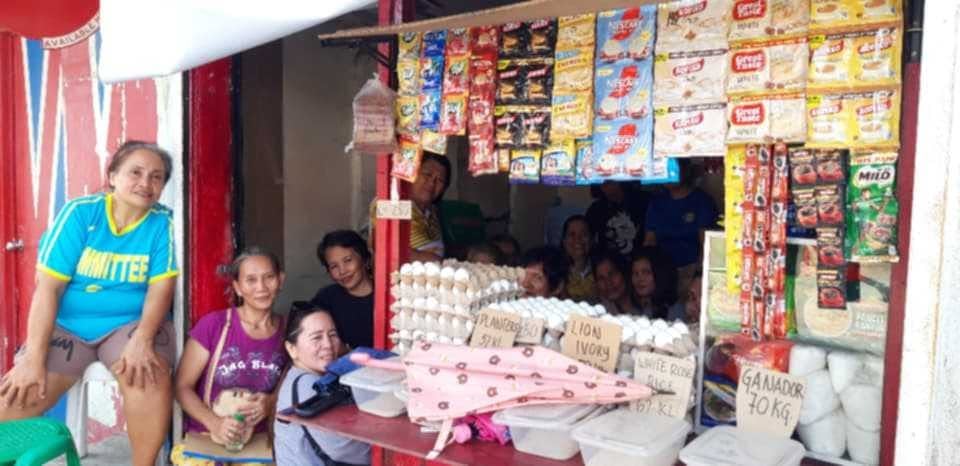
The years that followed tested that unity. According to association president Elvie Gonzales, members experienced intimidation, harassment, and division within the community. Their cooperative building, which supported members’ livelihoods, was padlocked and closed. Elvie also became the subject of a Strategic Lawsuit Against Public Participation (SLAPP), while many members left the association after being pressured to withdraw. From an original 160 members, the association was reduced to around 70.
Looking back on those years, Elvie recalled:
“Marami po akong pinagdaanan. SLAPP, padlock – closure of our cooperative building at pambabastos. Naging 70 na lang ang member ng HOA. Naging depressed ako. Hindi kami sumuko. Nagdasal kami at lumaban.”
(“I went through so much – SLAPP cases, the padlocking of our cooperative building, and harassment. Our membership dropped to just 70 families. I became depressed. But we did not give up. We prayed, and we fought.”)
That perseverance was rewarded when the HSAC ruled in favor of SABEHOA, affirming the community’s right to remain in their homes. The association is now awaiting the motion for execution to regain access to its community facilities and is preparing to file a separate case for damages over the closure of its livelihood center.
Reflecting on the victory, Elvie said it belonged to everyone who stood by the community through years of uncertainty.
“Hindi kami sumuko. Nagdasal kami at lumaban. Ang tagumpay na ito ay para sa Panginoon. Maraming salamat sa ECOWEB sa tulong pinansyal at sa pagbigay ng boses sa mga katulad namin. With God all things are possible.”
“We never gave up. We prayed, and we fought. This victory belongs to the Lord. We are deeply grateful to ECOWEB for its financial support and for giving a voice to communities like ours. With God, all things are possible.”
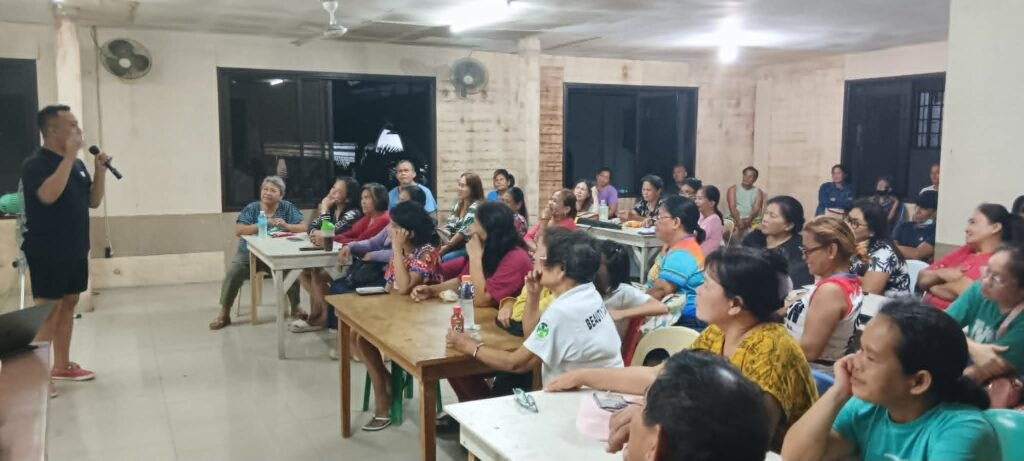
For ECOWEB, the story of SABEHOA reflects what community-led recovery can achieve. Recovery is not only about repairing homes after a disaster. It is also about helping communities protect their rights, rebuild livelihoods, strengthen local organizations, and continue moving forward even after the headlines have faded.
For the families of San Pio, the court victory marks the end of one chapter. After years of living through both legal uncertainty and the aftermath of Typhoon Tino, they can finally begin looking toward the future with greater security, and with a community that has grown stronger because it faced every challenge together.