In this reflection, Aisah Macabuat, Project Manager of EcoWEB’s Project RISE and Madaris for Peace and Resilience (MPR) Project, shares her experience representing EcoWEB at a High-Level Round Table Discussion on Nihilistic Violent Extremism (NVE), and the importance of bringing community-based practice into national conversations on prevention and peacebuilding:
Some opportunities feel more meaningful because you know you are not only bringing your own voice into the room—you are carrying with you the stories, experiences, and lessons of the communities you have worked with.
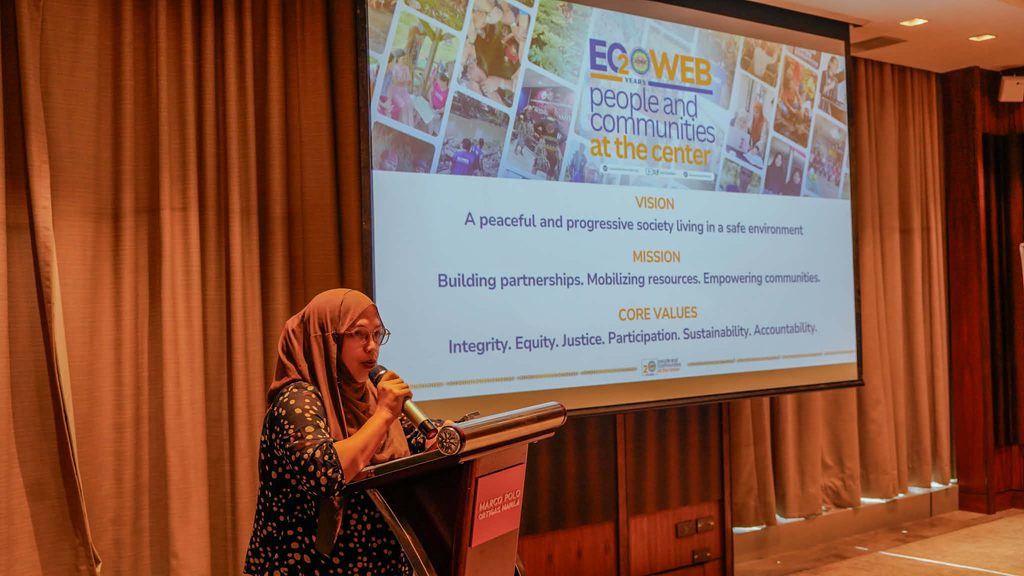
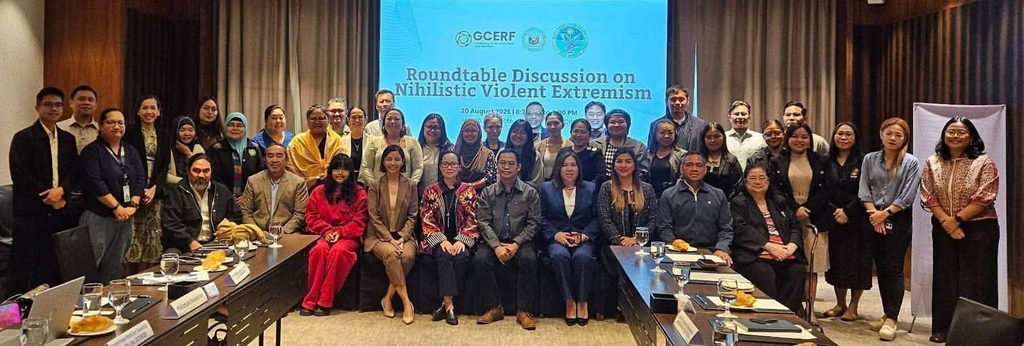
Yesterday, I had the privilege of representing EcoWEB, together with Bryan, at the High-Level Round Table Discussion on Nihilistic Violent Extremism (NVE), organized by the Anti-Terrorism Council (ATC) led by Director Alexander L. Macario, in partnership with GCERF through Regional Adviser Atty. Jennifer Buan.
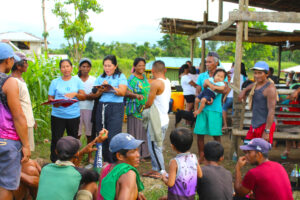
I shared a little of what we have been doing through the GCERF-funded Madaris for Peace and Resilience (MPR) Project—how we have been working with madaris, asatidz, children, youth, families, and communities to strengthen the very spaces that can help prevent violence in the first place.
One thing I really wanted to emphasize was this:
“Peace is strongest when communities themselves have the capacity to protect it.”
For us, prevention is not only about responding when risks are already visible. It is also about strengthening institutions people already trust, listening to communities, investing in young people, and understanding what children and youth are actually experiencing. This is also why we are currently gathering data from children and youth on their awareness, exposure, risks, and vulnerabilities related to NVE. We need evidence, yes—but we also need to listen.
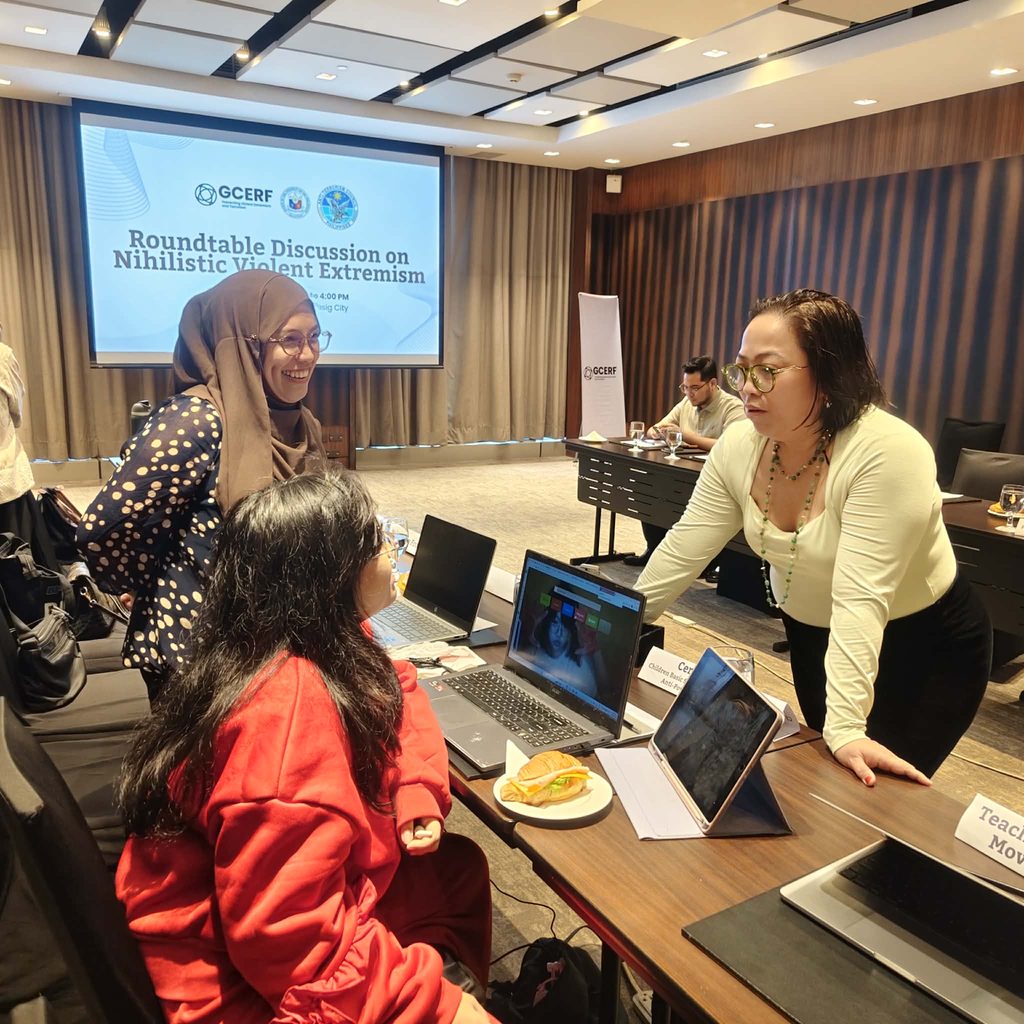
And perhaps this was the biggest message I wanted to bring to the table: From Community Practice to National Prevention.
It was encouraging to share the room with representatives from PNP, AFP, DepEd, OPAPRU, CWC, JJWC, NAPC, DOJ, DILG, and fellow NGOs including Teach Peace Build Peace, Mahintana Foundation, and IDEALS. Different mandates, different experiences, but hopefully moving toward the same goal.
A small moment after the formal discussion also became one of my personal highlights. During the networking session, Bryan and I had the chance to speak directly with Director Macario about madaris. We learned that a draft Joint Memorandum Circular for the creation of Madrasah Development Offices in LGUs is now being circulated for comments.
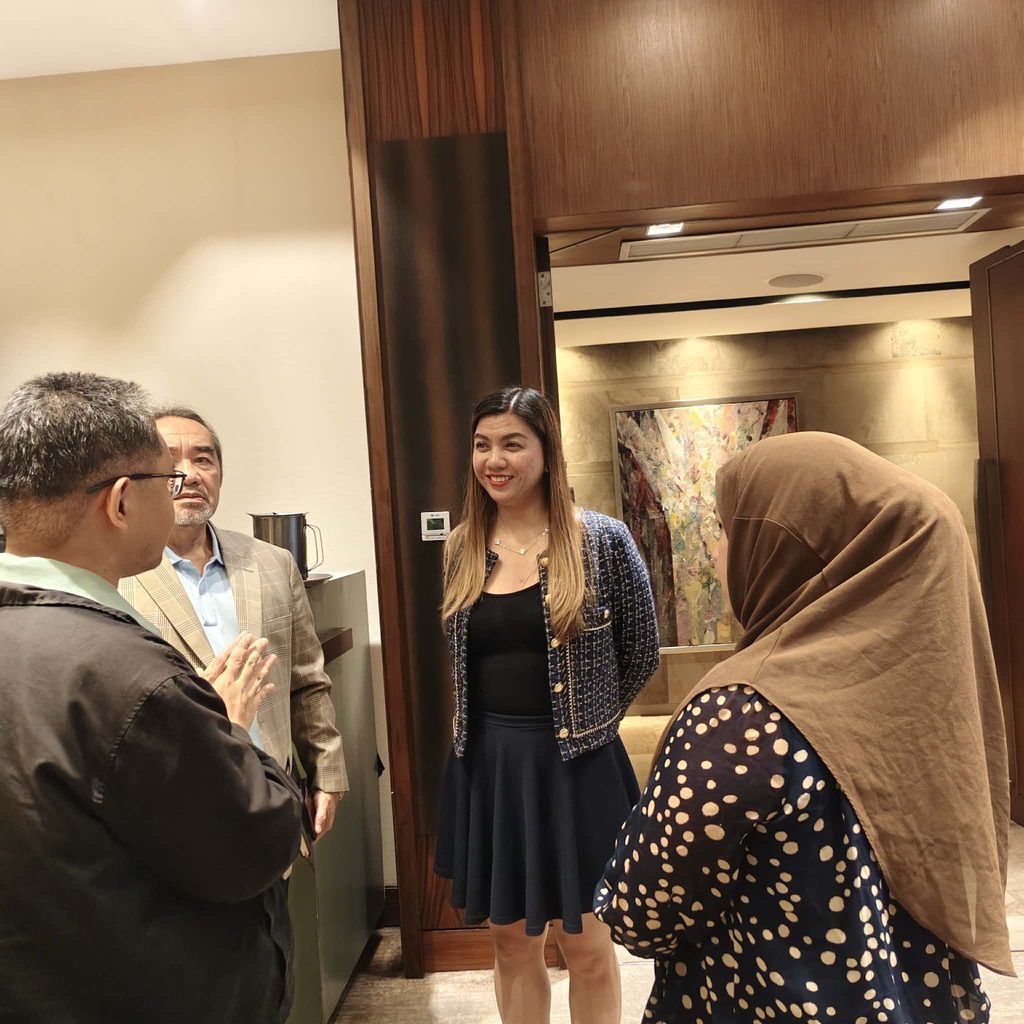
Hearing this felt particularly meaningful. After years of working with madaris and seeing both their contributions and the challenges they continue to face, developments like this give us reason to keep pushing. There is still a long way to go, but it is good to know that conversations are moving.
I am grateful for the opportunity to represent EcoWEB, and even more grateful that the work being done quietly in communities can find its way into spaces like this.
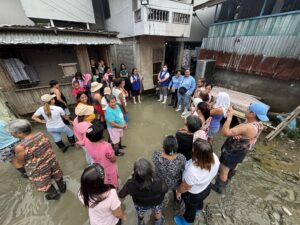
Maybe this is how change sometimes happens—we learn from the ground, we bring those lessons to the table, and we keep working until local realities begin to shape national action.
From community practice to national prevention.
And always, back to the communities where peace begins.