“Ang kalampusan, dili na makuha sa isa lang ka gutlo, sa pila lang ka tawo, kundi maabot nato sa pagtinabangay.” – Bangat Gukom Lucenio Manda, Bayog Subanen United Tribal Leaders
Success is sweeter when shaped by patience and persistence. For the Subanen people of Bayog, Zamboanga del Sur, victory did not come in a single snap. It took 26 years of organizing, mapping ancestral lands, resolving boundaries, navigating disagreements, defending their claims, and holding on to a vision of their yutang kabilin, or ancestral domain.
On April 21, 2026, that long struggle reached a historic milestone when the National Commission on Indigenous Peoples (NCIP) En Banc approved the Bayog ancestral domain documents and issued Certificate of Ancestral Domain Title (CADT) No. 296. The recognized ancestral domain now covers 28 barangays in the municipality of Bayog. Beyond this milestone lies stories that are worthy to unfold.
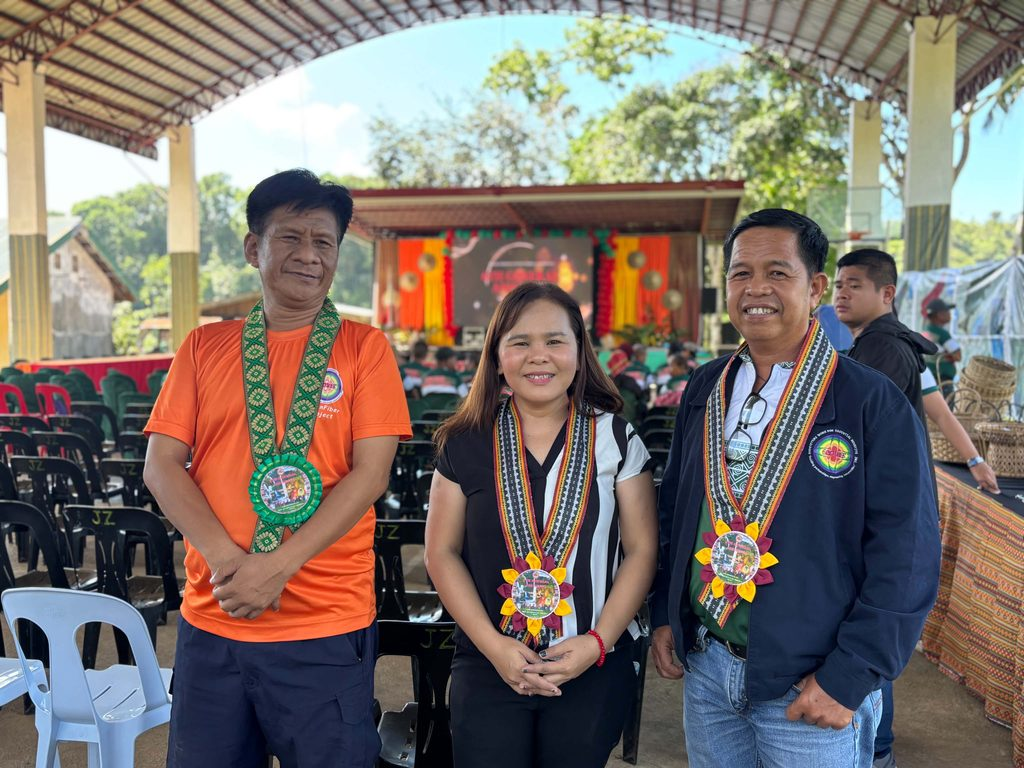
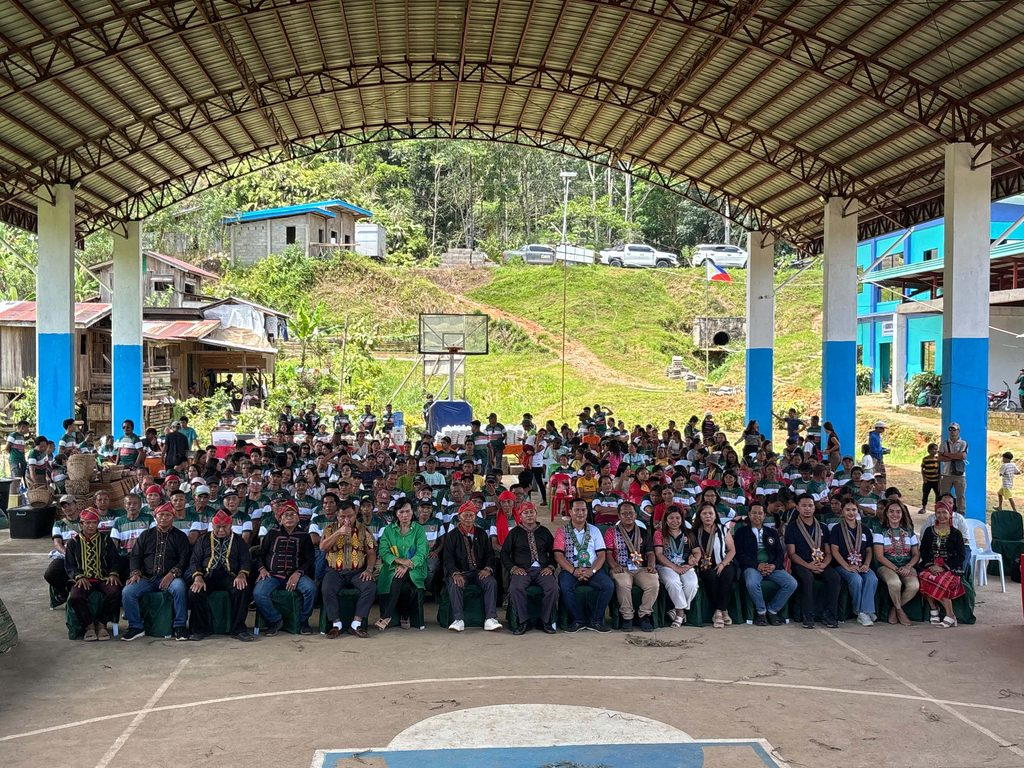
During the 6th General Assembly of the Bayog Ancestral Domain, held in Barangay Deporehan, Bayog Zamboanga del Sur, the occasion became more than a celebration of a long-awaited legal recognition. Following a series of six Community validation sessions that was conducted throughout the different barangays within the Bayog Ancestral Domain, the event provided an opportunity to present the Ancestral Domain Sustainability Development Protection Plan to the wider community.
This momentous activity was shared by the community’s partners including the NCIP (National Commission on Indigenous People) Region IX, representatives from TVI Resource Development Philippines Inc., and EcoWEB, represented by Marilou Cezar – ECOSEAD Program Manager, Raoul Brando Sevidal – Area Coordinator; and Jonathan Lozano. It became a moment to look back at the struggle – and look forward to what the victory now demands.
The Rough Passage
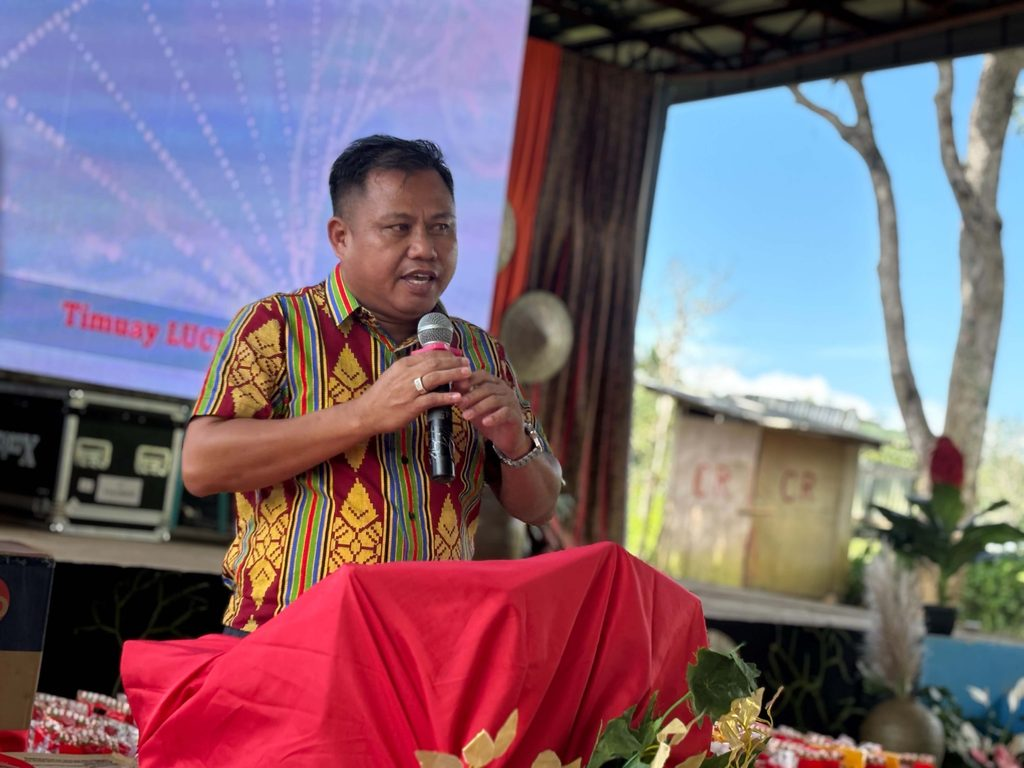
Before the sweet prize of persistence, there were moments that shaped their journey “Daghan kaayog mga panghitabo, ang mga uban dili na mahinumdoman,” Bangat Gukom Lucenio Manda recalled. Some disagreements became difficult enough that even fellow leaders found themselves on opposing sides. But the community continued.
He described that their ancestral domain claim was not the work of the tribal leaders alone. “Dili kana mahitabo kung walay mga tawo sa atong palibot … kung wala ang mga suporta sa mga tribal leaders kauban ang mga community.”
In retrospect, the story of Bayog’s ancestral domain stretches back to 1996, when Mr. Carino “Sir Rock” Antequisa, EcoWEB Program Development Advisor, first came to the community. By 2000, the need to formally claim their ancestral land had already been identified, and in 2006, Bayog leaders gathered and decided to pursue a CADT.
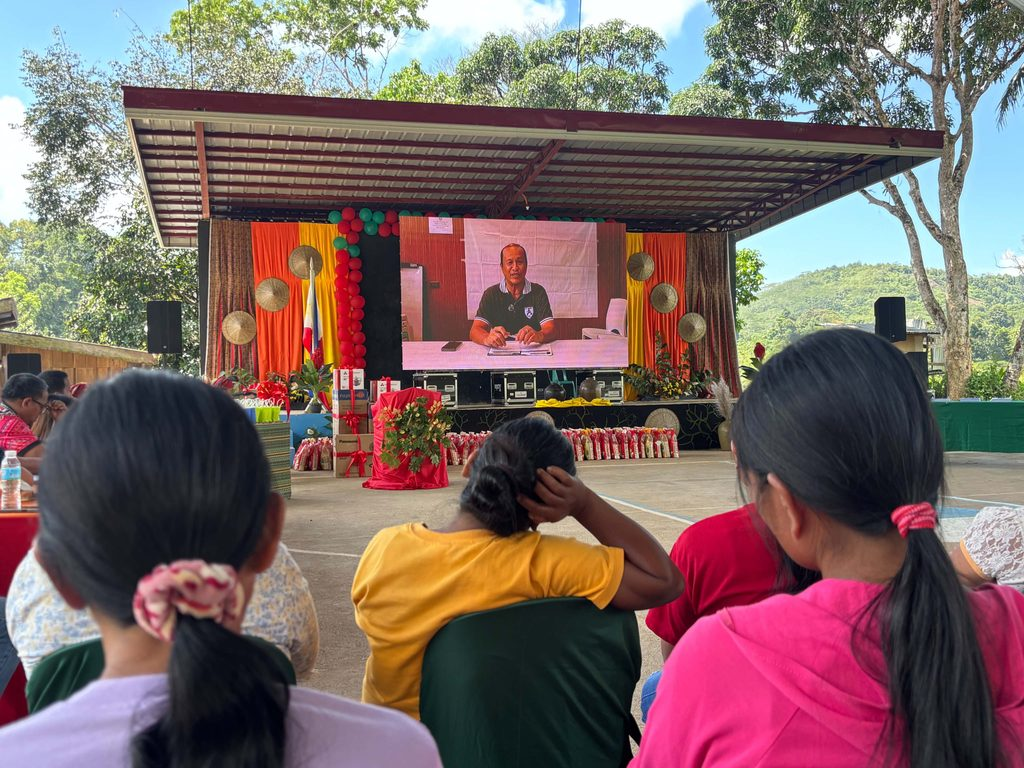
The path that followed was far from straightforward. The community conducted genealogical work, surveys, mapping, and resource inventories while addressing boundary issues with neighboring ancestral domains. The arrival of mining companies also brought new concerns and disagreements over how development should proceed. At times, the community found itself in difficult positions with the local government and other sectors.
Yet the rocky terrain did not end in division. It pushed the community to find ways to move forward together. By 2012, the community had self-delineated its ancestral domain based on boundaries identified by their elders. In 2013, they conducted surveys, developed a perimeter map, and carried out a resource inventory. Later, boundary issues with neighboring ancestral domains were addressed, leading to the formal recognition of their territory through a CRADC. What had initially been claimed as 22 barangays eventually expanded to cover the entire municipality of Bayog, comprising 28 barangays.
For Mr. Antequisa, the length of the journey is measured not only in years but in people. Some of those who began the struggle did not live long enough to see the CADT, but the community continued.
Sweet Destination
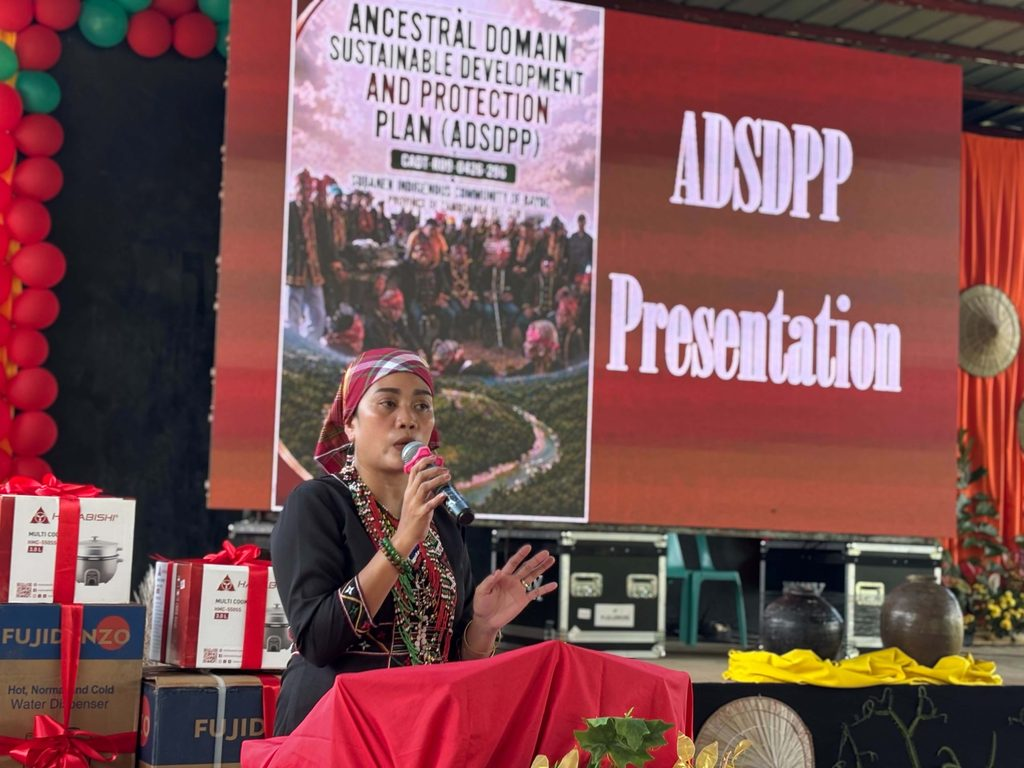
On April 21, 2026, decades of work culminated in recognition – CADT No. 296. For the Subanen community, the number represents more than a legal document. It represents years of asserting their connection to their ancestral land and working to have that relationship formally recognized.
But the recognition also opens another chapter. The community’s next steps include registration of the CADT with the Land Registration Authority, further research and segregation, and clarification of areas that are already titled, covered by CLOAs, or require particular protection.
And perhaps this is why Manda’s message during the General Assembly was not simply about celebration. It was about collective responsibility: “Dili ni sa isa ka tawo kundi sa pagtinabangay sa tanan. Atung hinumduman ang bunga sa pagtinabangay ang kalampusan.”
Bayog’s journey is also part of ECOWEB’s own history of working alongside communities. Bayog is one of the organization’s earliest and longest-standing community partners, with the relationship spanning organizing efforts, ancestral domain protection, community development, and the continuing assertion of Indigenous Peoples’ rights. The community was also a partner during the previous FPG-SEEDIC (Formation of Production Guilds and Social Enterprises for the Economic Development of Indigenous Communities) project, building on a relationship that has continued across different initiatives and phases of community development.
Today, that partnership continues through the ECOSEAD (Enhancing Conservation, Ownership and Social Enterprises in Ancestral Domains) Project, supported by Brot für die Welt (Bread for the World). ECOSEAD works to strengthen ownership rights in ancestral domains, social enterprises, Indigenous conservation efforts, monitoring and learning, partnerships, and advocacy.
For ECOWEB, the Bayog experience demonstrates why partnerships matter. ECOWEB does not own the community’s struggle or claim its victory. Rather, it works alongside communities as they organize, make decisions, strengthen their capacities, and pursue the futures they envision for themselves, anchored within ECOWEB’s broader mission of building partnerships, mobilizing resources, and empowering communities.
In Bayog, empowerment means helping create conditions where the community can increasingly exercise its own voice and leadership over its ancestral domain. The CADT is the community’s achievement. The partnerships help strengthen what comes next.
Onto Moving Forward
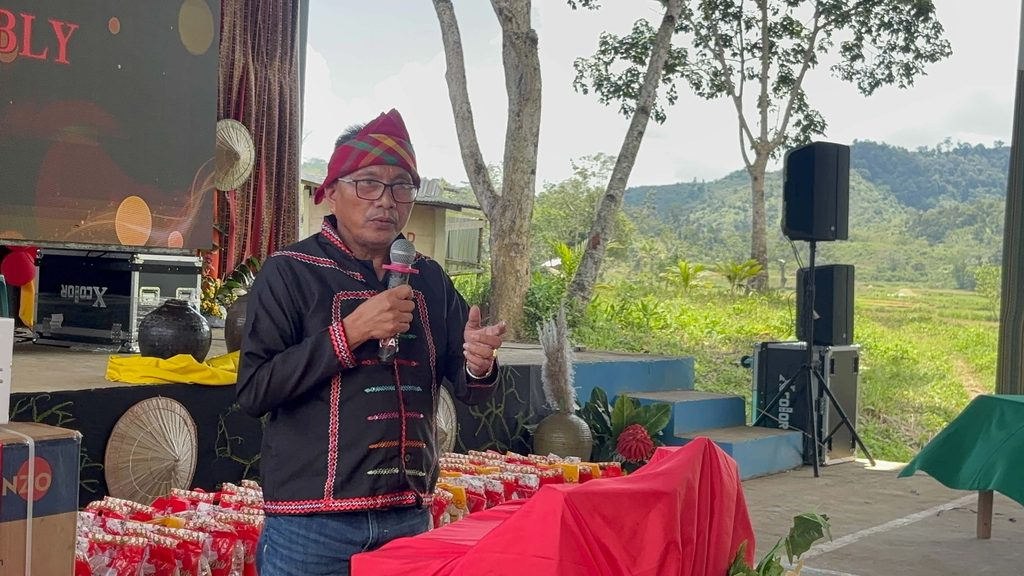
The journey does not end after acquiring what they had built for 26 years—the institutionally recognized CADT. For Bangat Gukom Tony Edal, the path forward depends on remembering what held the community together in the first place: culture, customary laws, and unity. He compared the ancestral domain to a family. “Ang AD murag pamilya sa tibuok community. Bisan ang pamilya naay mga trouble.”
The community experienced conflicts, brought by migration and differing interests. However, Edal believes community cohesion and unity of the tribe was more valuable before meaningful partnerships and development could even happen.
More than the titleship, this is where the definition of victory becomes sentimental. Winning recognition is one thing but knowing what to do with that recognition is another. The CADT strengthens the community’s position. The ADSDPP provides a roadmap. The customary laws and cultural knowledge provide a foundation and the community itself remains at the center.
The Journey Beyond Breakthrough
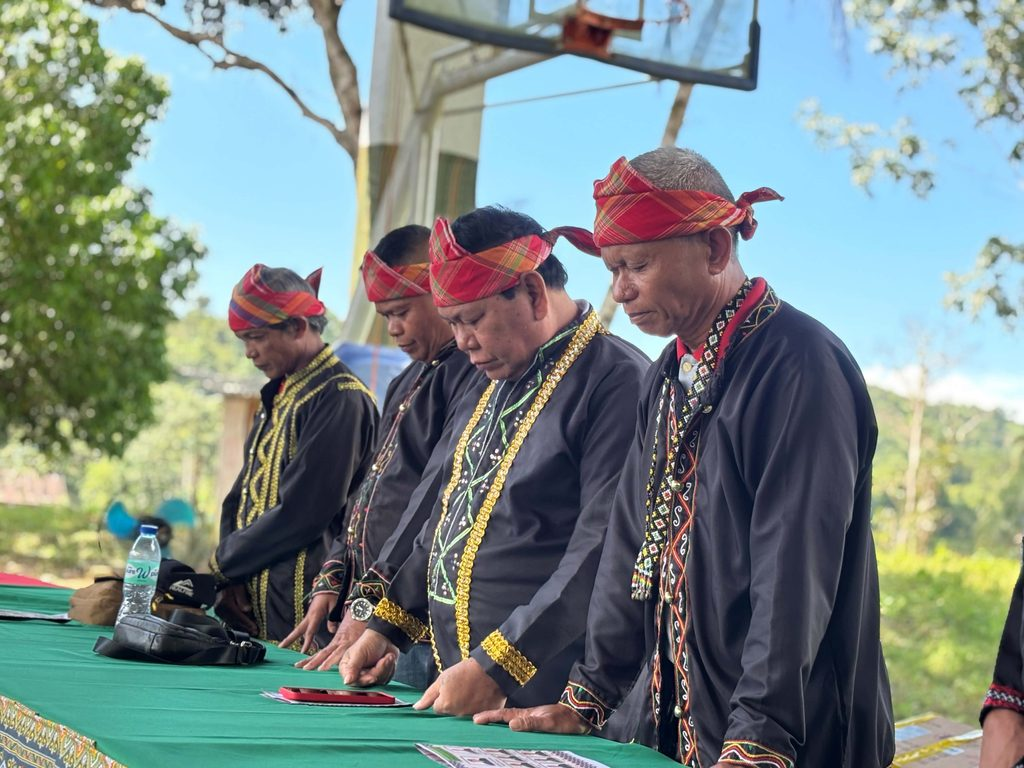
At the 6th General Assembly, the community did not simply celebrate what had been achieved. They remembered the struggle that made the victory possible – the people who began the journey, the disagreements they had to overcome, the elders whose knowledge guided the process, and the partners who walked alongside them.
For more than two decades, the Bayog AD fought to have their ancestral domain recognized, and then they won that recognition. But the victory belongs not to one person, organization, or generation. It belongs to a community that persisted – a community that learned to navigate disagreements without abandoning its shared purpose; and a community that turned years of struggle into collective action.
Now, the challenge is to transform recognition into sustainable development, cultural preservation, conservation, and peace – and to prepare the next generation to continue the work.
Implemented by ECOWEB and funded by Brot für die Welt (Bread for the World), ECOSEAD (Enhancing Conservation, Ownership and Social Enterprises in Ancestral Domains) supports Indigenous communities in strengthening ancestral domain governance, protecting natural resources, and developing sustainable and community-led livelihood opportunities.