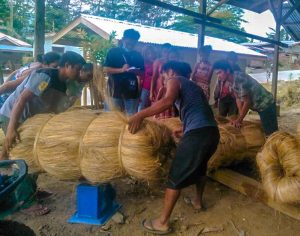
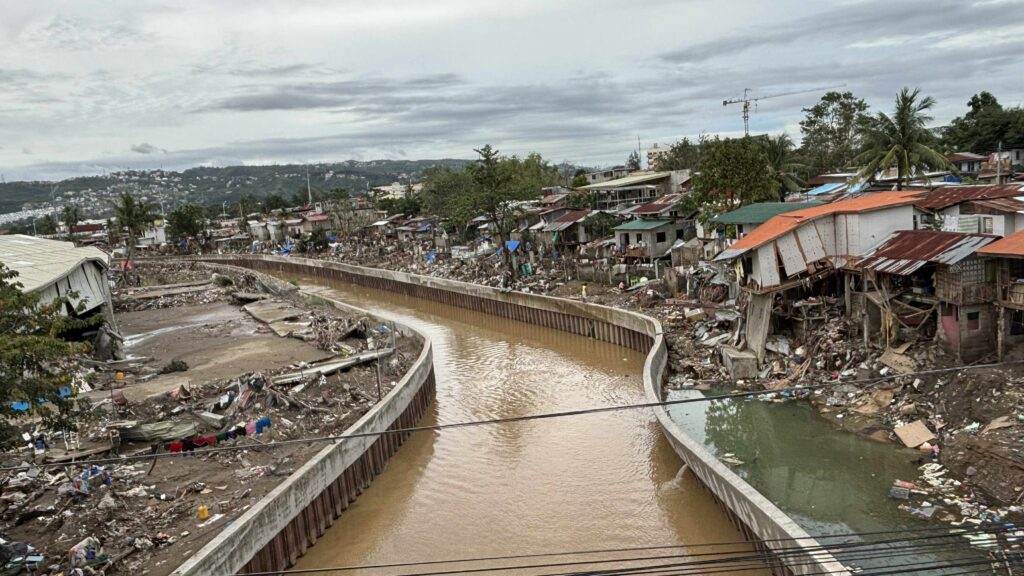
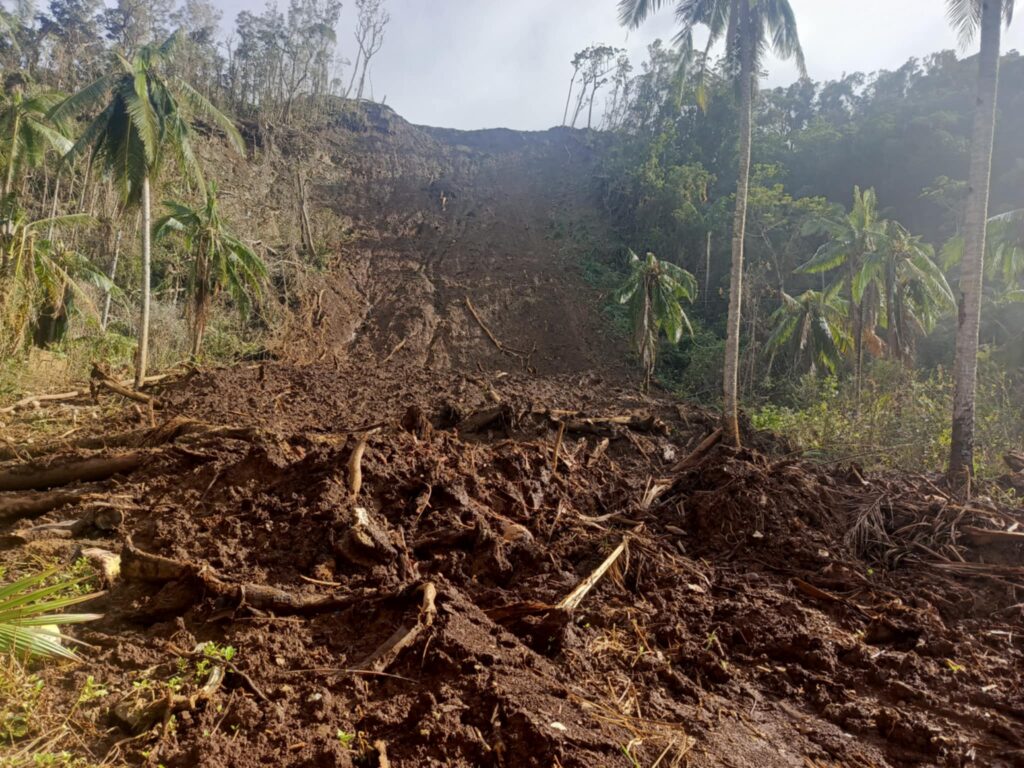
In the wake of the September 30 earthquake and the back-to-back impacts of Typhoon Kalmaegi (Tino) and Typhoon Fung-wong (Uwan), communities across the Philippines are once again facing loss, disruption, and the difficult work of rebuilding lives. But in the middle of these overlapping crises, stories of resilience and solidarity continue to rise-often beginning at the community level.
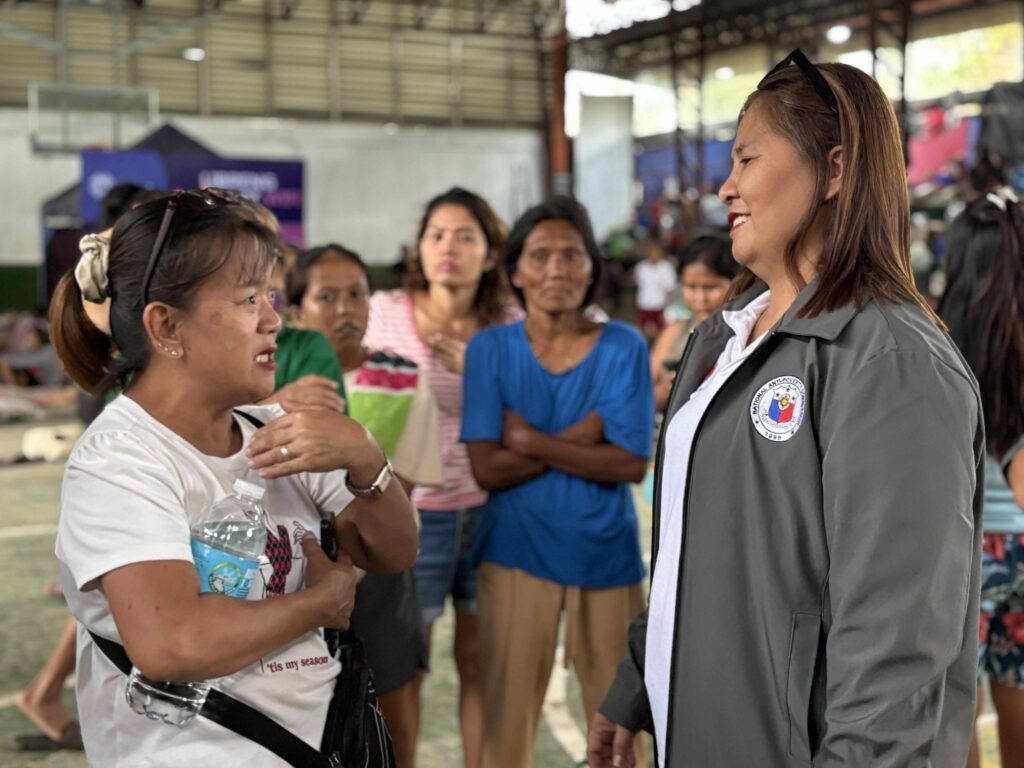
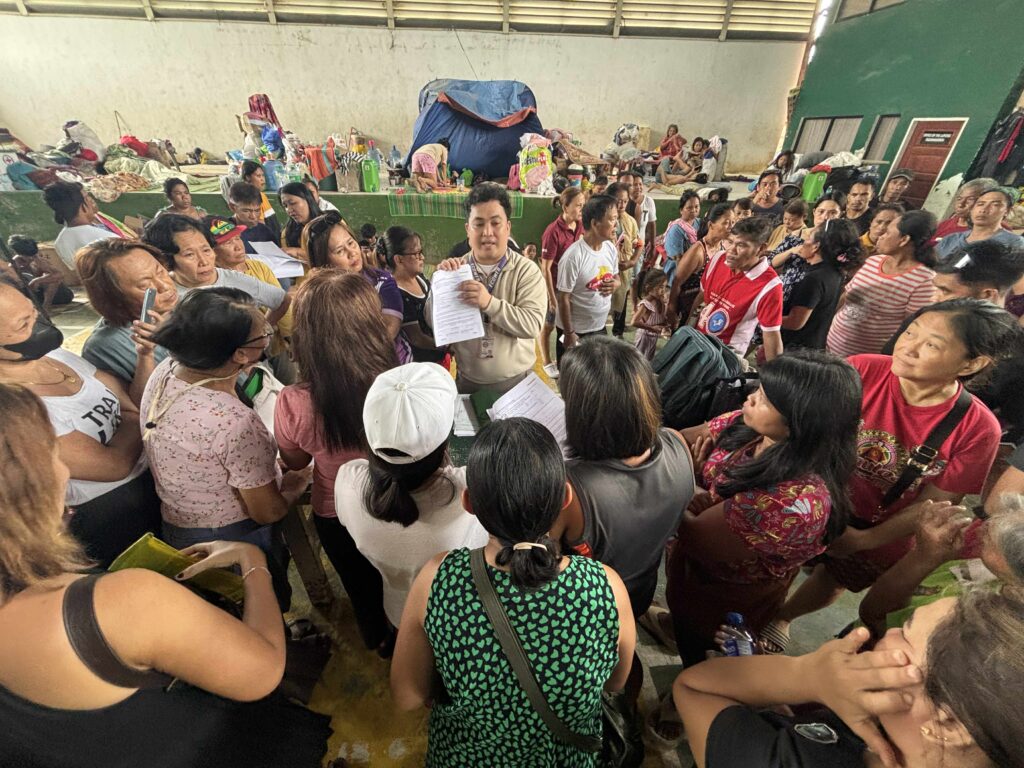
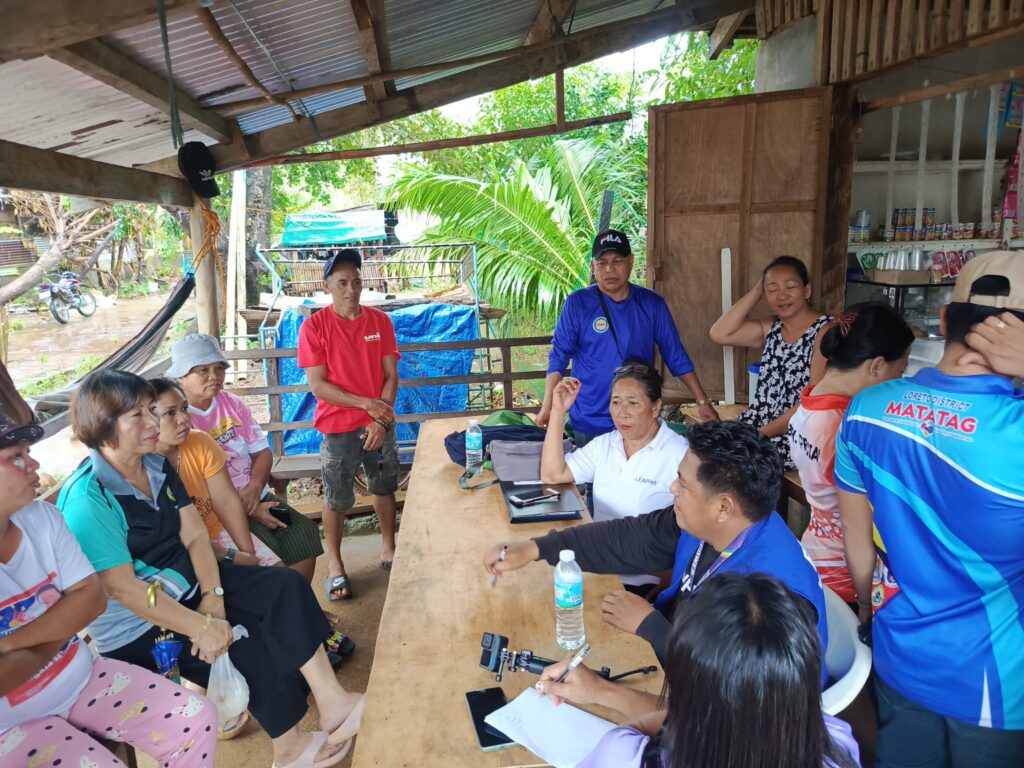
Over the past weeks, ECOWEB teams have been on the ground in Northern Cebu, responding immediately after the earthquake and now continuing assessments in typhoon-affected areas through the Survivor and Community-Led Response (SCLR) approach. Together with NAPC-VDC (National Anti-Poverty Commission – Victims of Disasters and Calamities) Sectoral Representative Trina Mae Sol and in close coordination with local volunteers, ECOWEB is facilitating Appreciative Inquiry sessions to help communities identify their most urgent needs-groceries, shelter repair kits, water filtration systems, food packs, solar lights, and other essentials that will support recovery in the coming weeks.
These sessions do more than just collect data. They create space for people to voice their priorities, recognize their capacities, and take ownership of their pathways to recovery. Several community groups have already translated these discussions into concrete action-submitting community-led project proposals, some of which have already been approved, with a number of groups now beginning to receive their initial support. It is a reminder that even in crisis, the solutions often begin within the community itself.
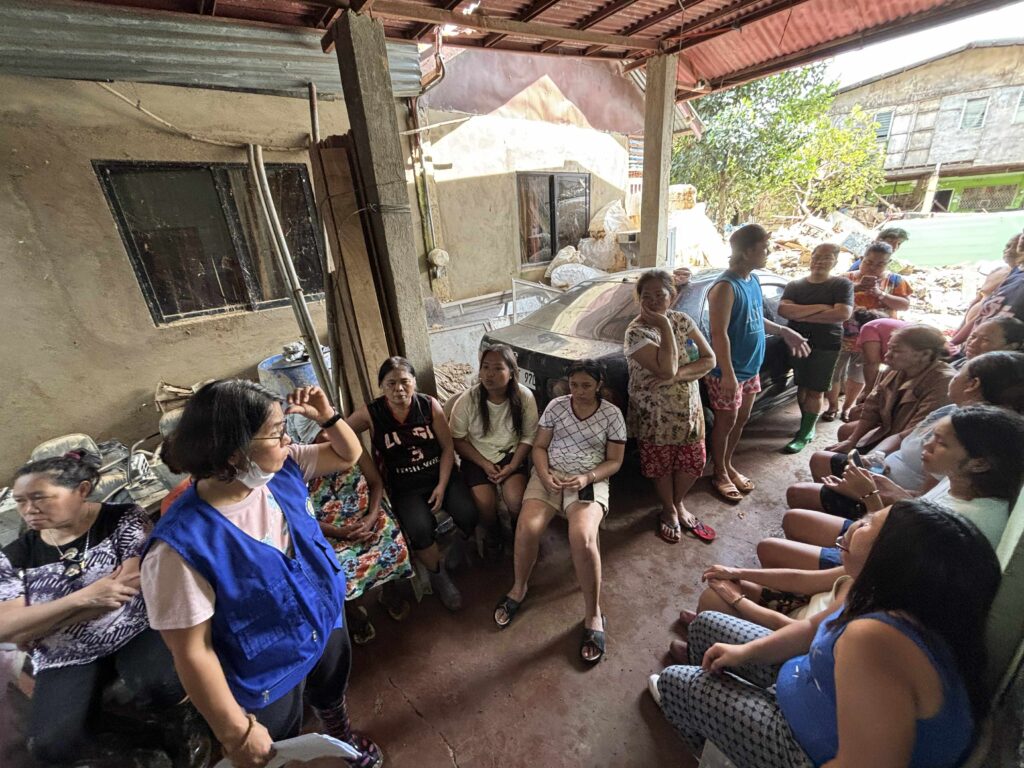
Meanwhile, in the Dinagat Islands, a different but equally powerful story of resilience is unfolding. ECOWEB, together with long-time partners-the Socorro Hinabangay Inklusibong Pederasyon and the Community-led Crisis Response Group (CCRG) of San Francisco-is organizing a community-led rapid response mission in coordination with local authorities. What makes this collaboration especially meaningful is where it began: these same partners were once devastated by Typhoon Odette. Today, strengthened by the SCLR approach, they stand as leaders helping other communities recover and rebuild.
Their activities in the affected barangays of Esperanza, Panamaon, and Gibusong include conducting Appreciative Inquiry sessions to identify recovery priorities directly from community members, supporting local cooperatives and teachers’ groups as they plan for livelihood restoration and shelter repair, and ensuring transparency and accountability through local orientation and coordination sessions with authorities and people’s organizations.
These efforts demonstrate a simple truth: resilience grows when communities uplift one another. From Northern Cebu to the Dinagat Islands, people who once needed help are now at the forefront of response efforts-proving that empowered communities do not just survive disasters; they become forces of hope for others.
ECOWEB will continue working alongside community leaders, volunteers, and local partners in the days ahead to ensure that assistance is guided by the voices of survivors and grounded in the principles of dignity, self-determination, and community-led action.
By Kin Barkly Tibang
Photos: Kin Barkly Tibang, Tasnim Racman, Mark Anthony Amarga, Imelda Manginsay