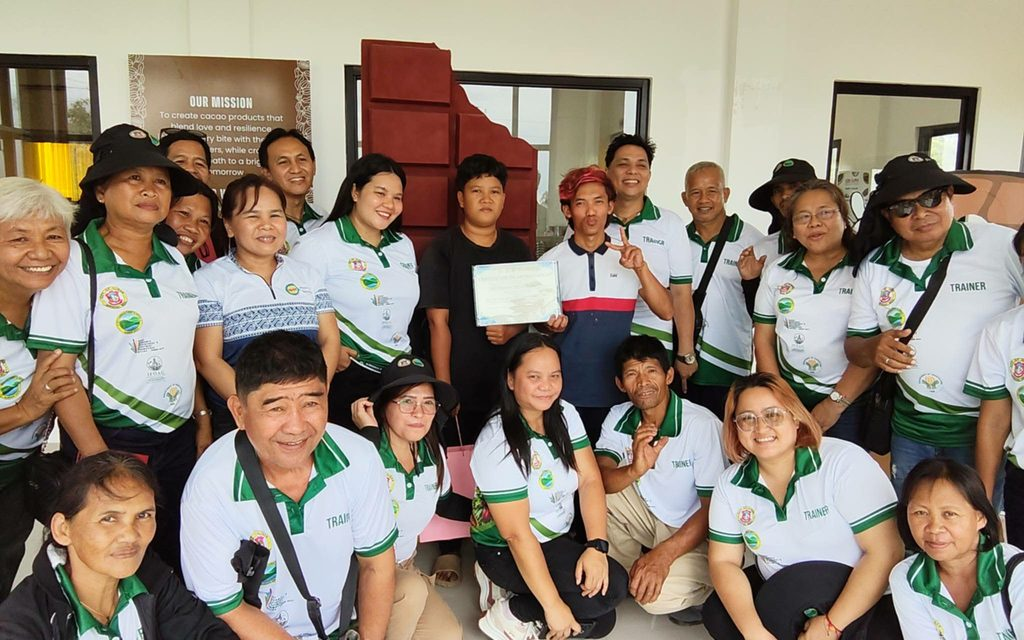
For Indigenous farming communities, learning how a crop can be produced, processed, and brought to market can open new possibilities for livelihood.
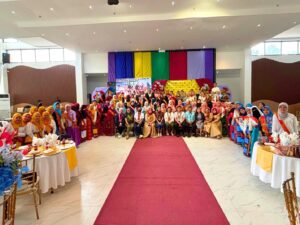
Community partners supported by EcoWEB through the ECOSEAD (Enhancing Conservation, Ownership, and Social Enterprises in Ancestral Domains) Project recently participated in a Cacao Production and Post-Harvest Technology Training and Field Immersion at the DONCRIS Cacao Production Facility in Binakalan, Gingoog City, Misamis Oriental.
Among those who participated were members of the Man-ai Integrated Agroforestry Farmers Association and KATRIBU Lubilan, alongside cacao producers and farmers from Iligan City coordinated through the Iligan City Agricultural Office. Representing ECOWEB were Marilou Cezar, ECOSEAD Program Manager, and Raoul Brando Sevidal, ECOSEAD Field Coordinator.
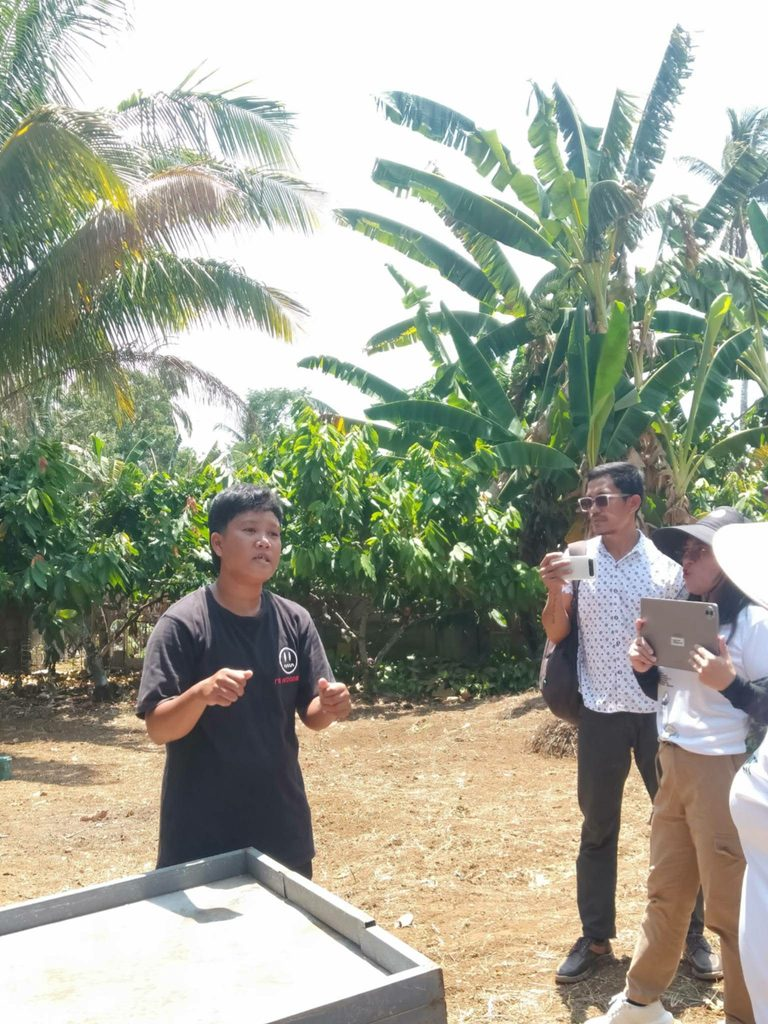
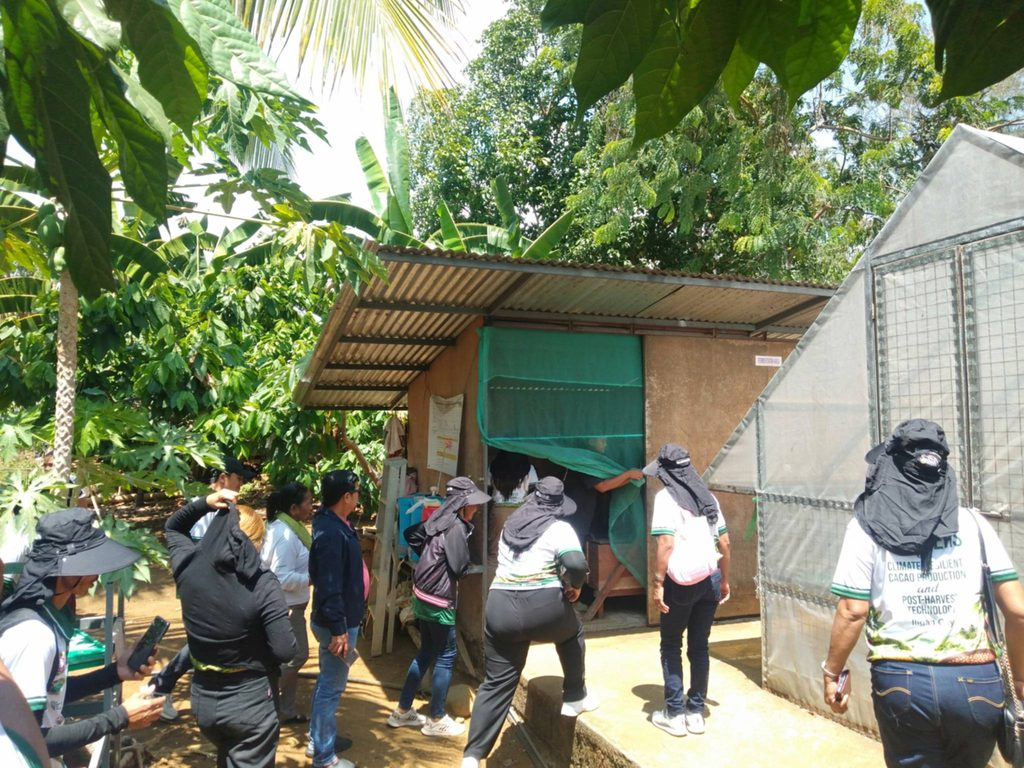
The field immersion provided participants with practical learning on cacao production and post-harvest processing – from pod storage, pod breaking, drainage, and fermentation to drying and sun drying. Participants also learned about the different machines and equipment used in cacao processing and their functions. More than understanding the technical process, the activity offered participants a closer look at how cacao can move from the farm into value-adding and processing activities.
For farmers and Indigenous communities, this knowledge can help inform decisions around agricultural production and livelihood development. “At least nahibaw-an namo nga naa pa diay market ang cacao, lampason na unta nako,” Bae Connie Saturno of the Lubilan AD reflected.
Bae Connie’s reflection on discovering that cacao still has a market points to an important part of this process: knowing not only how to produce, but also understanding the opportunities that may exist beyond the farm.
The training also highlighted the importance of proper post-harvest practices in maintaining cacao quality, particularly as communities explore ways to strengthen cacao production as a potential source of livelihood. Through ECOSEAD, EcoWEB supports Indigenous communities in strengthening ancestral domain governance, protecting natural resources, and developing sustainable, community-led livelihood opportunities.
Funded by Bread for the World, ECOSEAD works with communities to build on their existing capacities, priorities, and local resources – supporting approaches that connect livelihood development with the broader goal of sustainable development within ancestral domains.
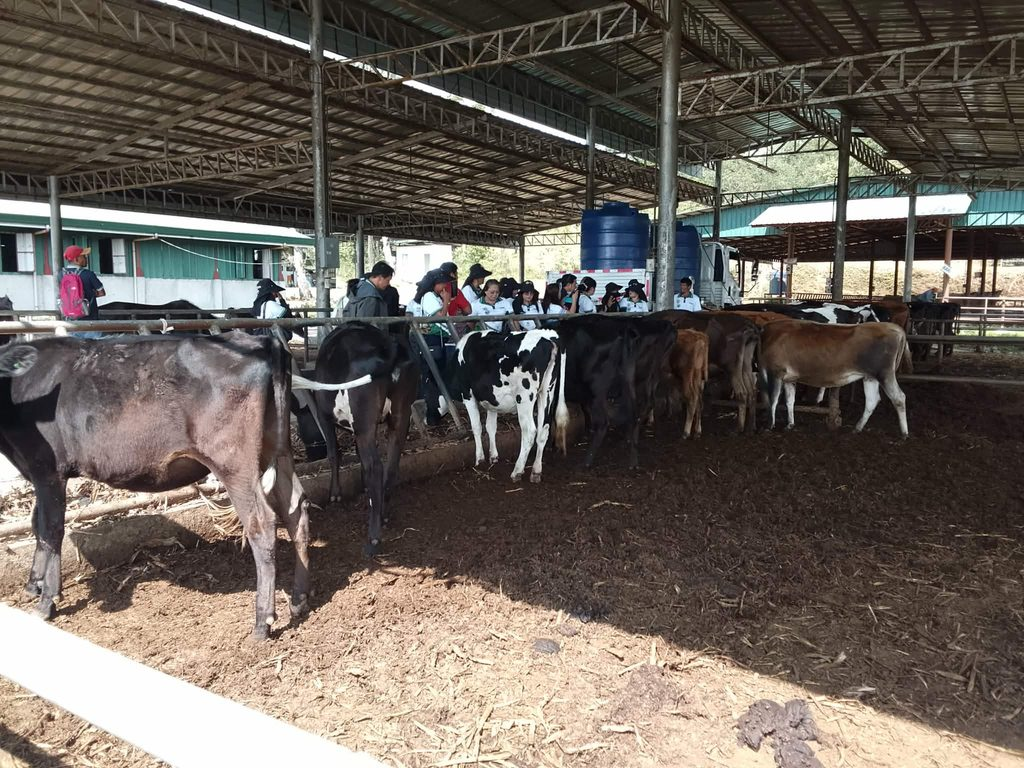
The cacao field immersion is one step in that continuing process: creating spaces where communities can learn, assess opportunities, and explore how their agricultural knowledge and resources can contribute to more sustainable livelihoods.