“This writeshop matters as it presents Mindanao not as a footnote, not as a marginal space, and not as an ‘alternative’ history, but as an essential and foundational part of the Philippine story.”
Executive Director Regina S. Antequisa shared how different researchers’ study of local history connected to the realities faced by communities across Mindanao, particularly in peacebuilding, development work, humanitarian response, climate action, and indigenous peoples’ rights.
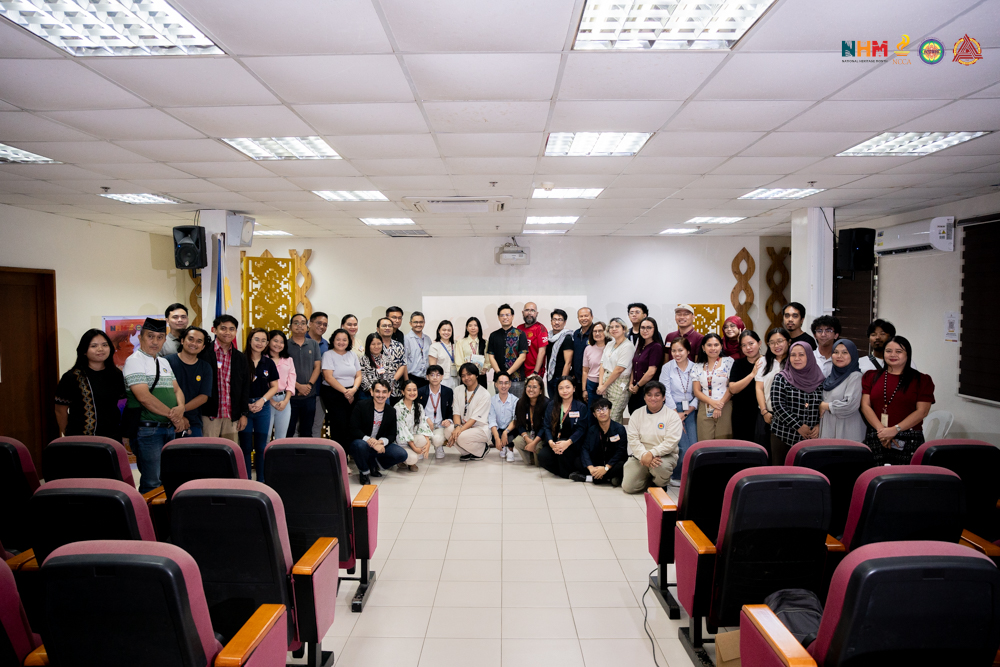
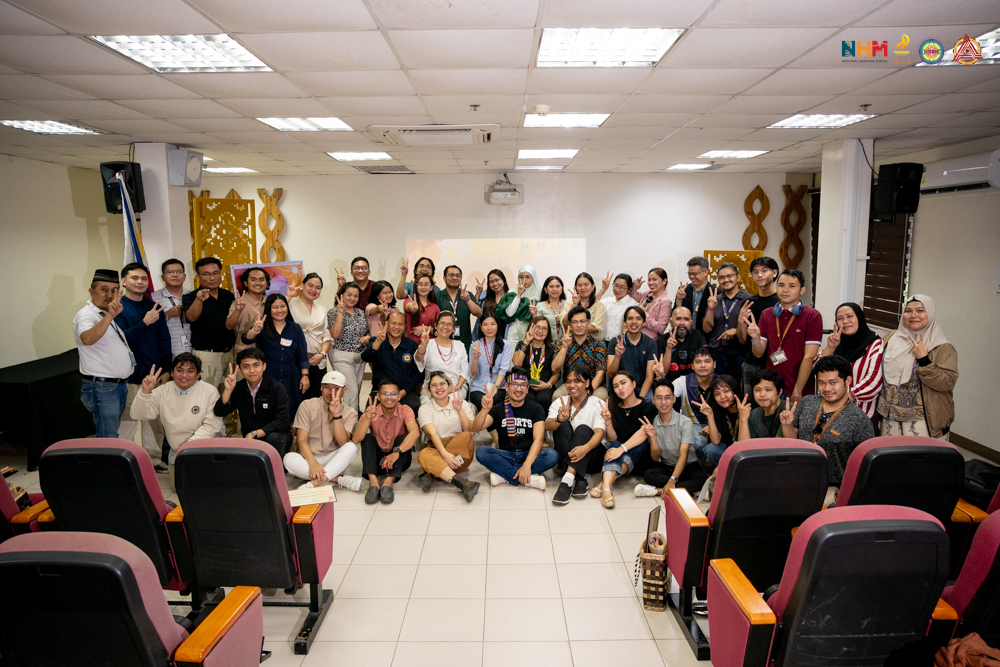
As the Ecosystems Work for Essential Benefits (EcoWEB), Inc. celebrates its milestone 20th year this 2026, the organization partnered with the National Committee on Historical Research replica watches of the National Commission for Culture and the Arts (NCCA-NCHR) and the Mindanao State University Iligan Institute of Technology (MSU-IIT) Department of History to convene scholars, researchers, educators, historians, cultural workers, students, and development practitioners in a two-day Local History Writeshop: Mindanao History in the Making of a Nation held at the PRISM Hall of MSU-IIT last May 20-21.
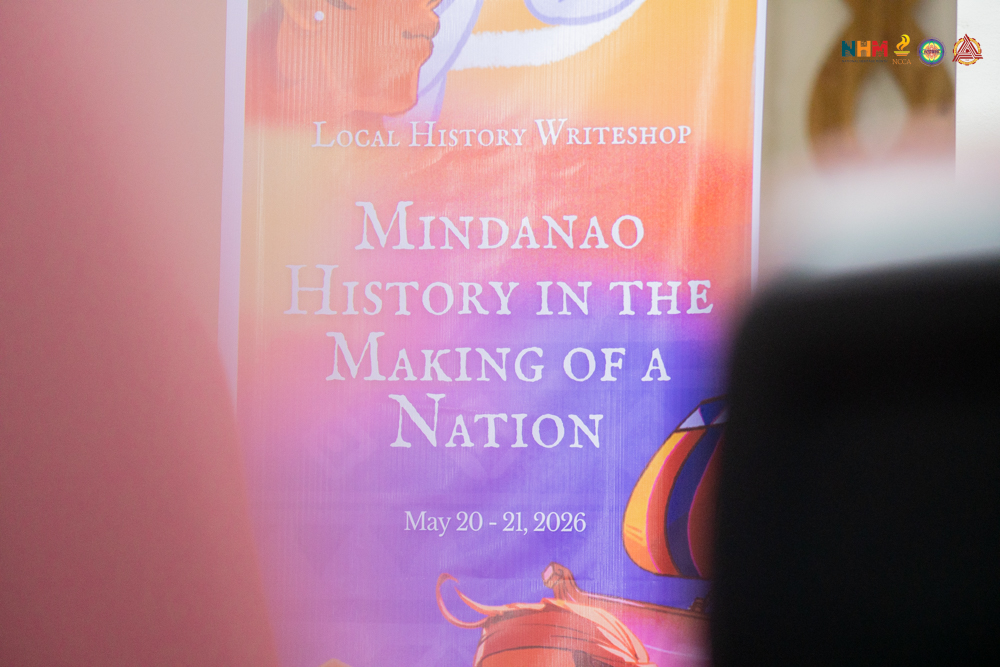
Carrying the theme “Roots and Horizon: Our Shared Heritage, Our Collective Future,” this activity highlighted the importance of documenting and amplifying Mindanao’s histories as an essential and foundational part of the Filipino story.
“For EcoWEB, history must be practical and transformative. This [event] matters because many community stories remain undocumented; accounts of resistance, survival, adaptation, leadership, and collective struggle… If these are not carefully documented, validated, and shared, they may disappear, and with them, important parts of our national story,” shared Antequisa.
Speaking as a development practitioner and an alumna of MSU-IIT Integrated Development School and MSU-Marawi, Antequisa reflected how meaningful development must always begin with replica watches UK people’s dignity, memory, identity, and lived experiences.
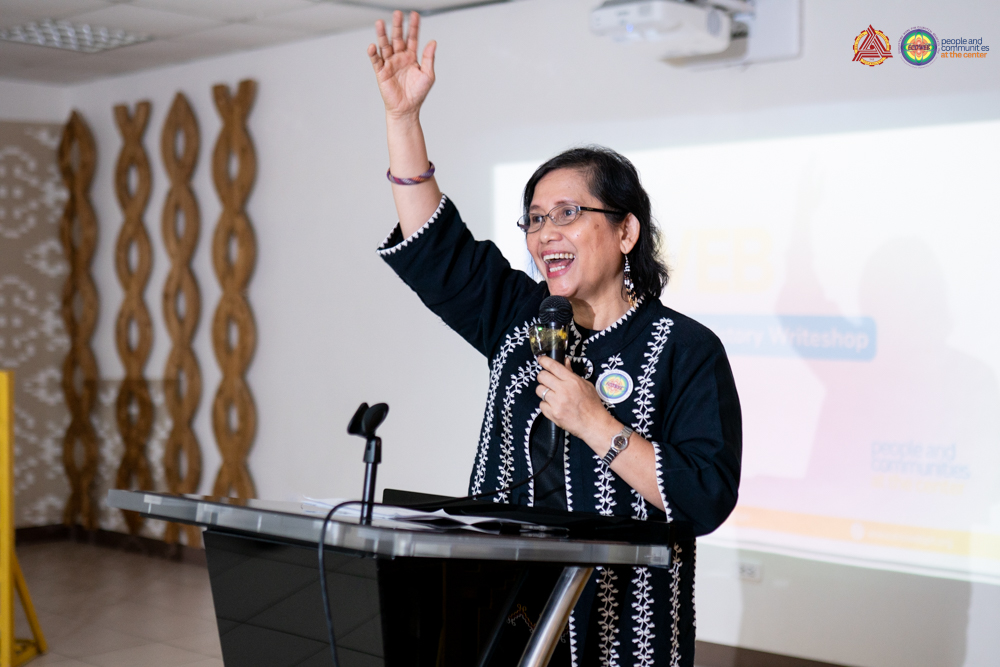
“Communities cannot be reduced to beneficiaries of projects,” she said. “They are not empty spaces waiting for interventions. They are bearers of history, keepers of knowledge, protectors of culture, and authors of their own future.”
On its 20th year, EcoWEB stressed the importance of understanding historical context in addressing longstanding conflicts and vulnerabilities in Mindanao and in other areas that it covers.
“Mindanao’s conflicts are not merely about difference,” Antequisa explained. “They are also about historical injustice, exclusion, land dispossession, governance failures, mistrust, and competing versions of truth. But the phrase ‘shared land’ also gives us hope. It reminds us that history can be used not only to divide, but also to open spaces for dialogue, recognition, healing, accountability, and coexistence.”
She also added that “for EcoWEB, local history is not separate from development, peacebuilding, climate action, indigenous peoples’ rights, child protection, disaster risk reduction, humanitarian replica Omega response, and local governance. Local history is central to all these.”
In her message, Dr. Jamelyn Palattao, Chairperson of the MSU-IIT Department of History, reminded participants of the enduring relevance of historical inquiry in shaping national identity.
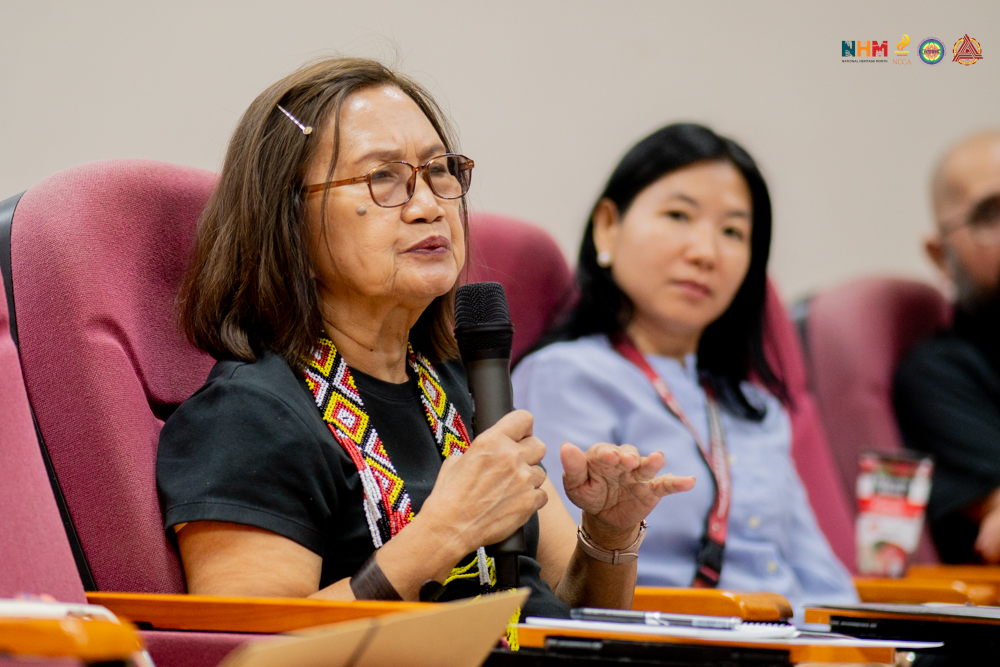
“Mindanao’s narrative – from its pre-colonial roots, maritime traditions, to its encounters with colonialism and its bold strides into modernity – forms an indispensable chapter of the Filipino story,” said Dr. Palattao. “This writeshop serves as a space for scholars, researchers, and cultural advocates to preserve, document, and amplify Mindanao’s historical voices with rigor, depth, and passion.”
The first day of the writeshop focused on lectures from historians on the overview of research, methodologies, historiography and actual research publication.
Commissioner Dr. Cecilia Tangian of the National Historical Commission of the Philippines (NHCP) shared the importance of immersion and ethical engagement with communities, particularly indigenous peoples, in her lecture on the overview of historical research. She also challenged the scholars to be more critical on research.
“History is not simply about collecting facts from the past but more on carefully engaging with sources, asking critical questions, and understanding how narratives are constructed,” shared Dr. Tangian.
MSU-IIT History Professor Dr. Juvanni Caballero discussed the multidisciplinary nature of historical research and the need for collaboration across different fields to enrich our story.
“History is a conservative, systematic, evidence-based study of any event that has impact on human society,” Dr. Caballero explained. “We share a lot of borders with other social science disciplines because of the very expansive territory we cover.”
Drawing from his own research experience, he added, “There are things we cannot accomplish if we work only as history majors. We need our brothers and sisters from other disciplines.”
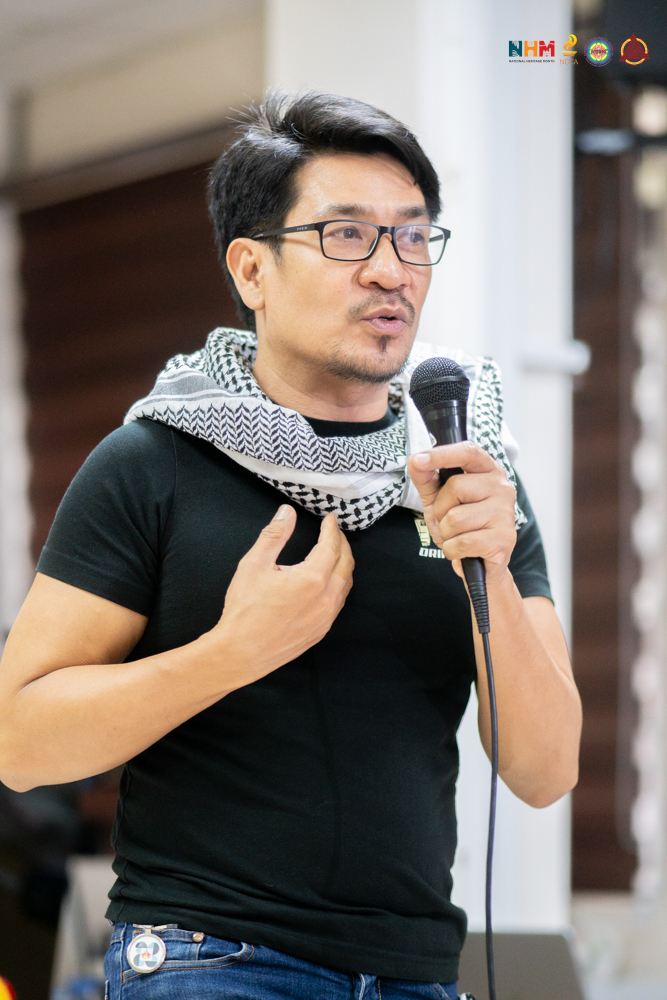
On the topic of digital archives, MSU-IIT Assoc. Prof. Artchil Daug explored issues surrounding access to information, knowledge-sharing, and archival systems in the digital age.
“The file did not leave you when you pass it on, it multiplied,” Prof. Daug said while discussing digital commons and file-sharing cultures. “This is what the commons does. It operates through abundance rather than scarcity.”
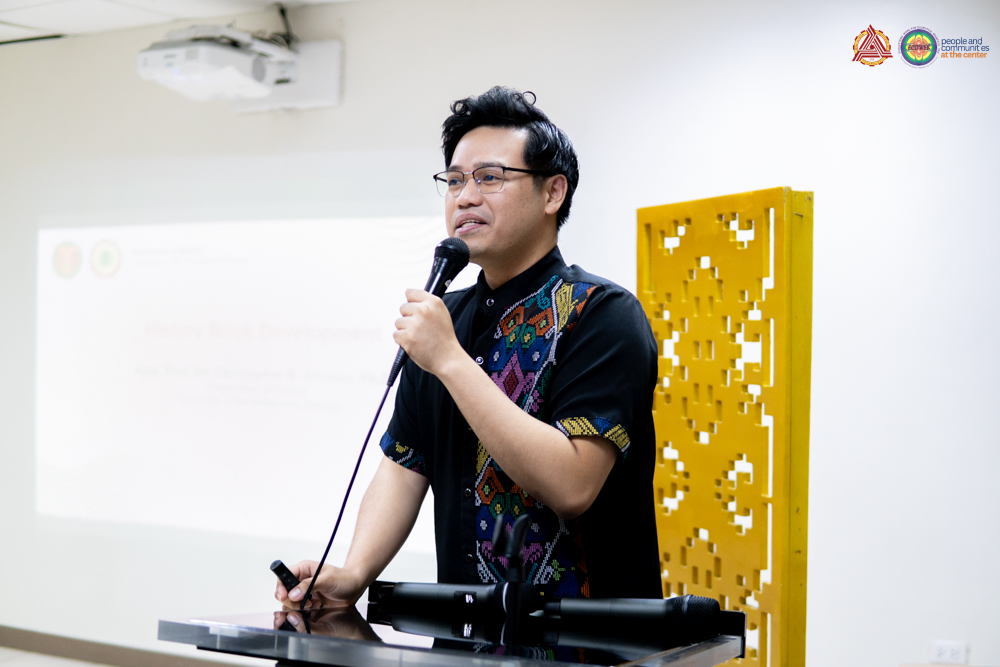
Guest lecturer from the University of the Philippines – Diliman, Dr. Ian Christopher B. Alfonso encouraged participants to make historical works more accessible and engaging to broader audiences, particularly the new generation.
“I do not want children and Filipinos to grow up thinking that history is boring,” Dr. Alfonso said. “Filipinos understand and connect more deeply when they can see history come alive.”
He also emphasized the continuing relevance of oral traditions in Filipino historical consciousness. “Like our ancestors, heroes and stories from the past feel more alive because they were passed down through oral tradition. We are still like that today.”
The activity also featured messages from Dr. Earl Jude Cleope, Head of the NCCA-NCHR, and Xavier University Professor and NCCA-NCHR Executive Committee Member Dr. Faina A. Ulindang, who both underscored the importance of engaging the youth and strengthening historical consciousness.
“The history of the nation is important not only in understanding the past but in understanding the present,” Dr. Ulindang said. “Please, young people, be active,” citing a very fruitful engagement.
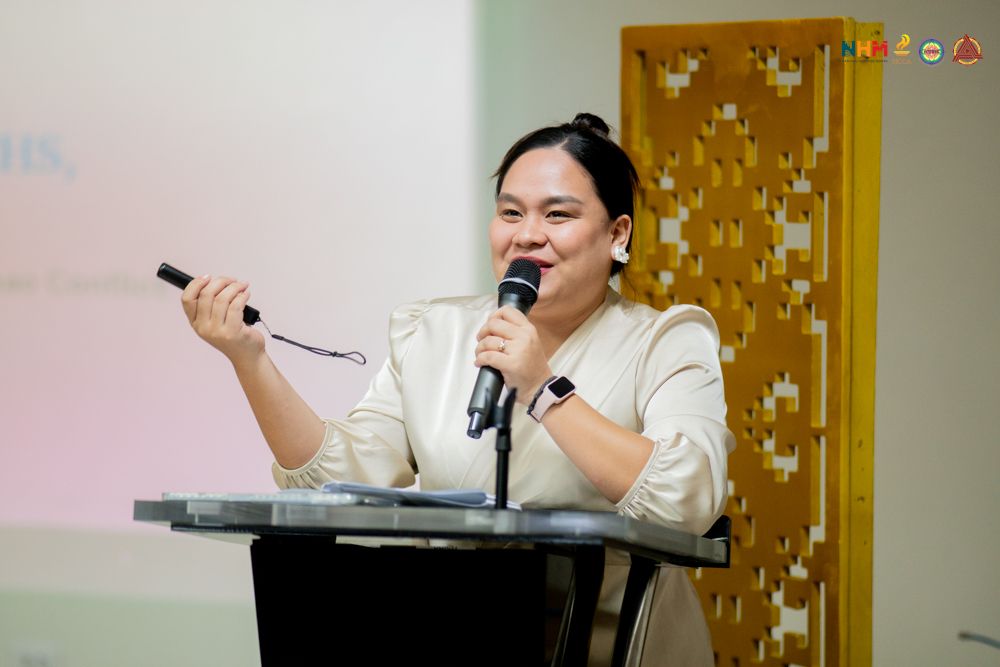
During the second day, the following graduating Master of Arts in History students presented their research study for inclusion in the consolidated Mindanao history:
Theme: Pre-Colonial and Indigenous Mindanao
• Sittie Ayena H. Caye (MSU-Marawi): An Analysis of Indigenous Manuscripts: The Diviner’s Handbook
• Jason T. Maderal (San Isidro College, Malaybalay City, Bukidnon): Historicizing Music: A Cultural History of Music of the Tigwahanon of San Fernando, Bukidnon” – Maderal
• Dianlou D. Suganob (MSU-Marawi): The Shift from Communal Stewardship to Commercial Land Markets: External Influences and Displacement of the Subanen in Molave, Zamboanga del Sur (1900-2000)
Theme: Colonial Encounters and Spanish Rule
• Kurt D. Casas (Xavier University – Ateneo de Cagayan): Voices from the Frontier: The Jesuit Missionaries in Northern Mindanao and the Calaganan Mutiny of 1896
• Ma. Theresa D. Balais (MSU-IIT): From Visita to Pueblo: The Making of Oroquieta City Under Spanish Colonial Rule, 1836-1898
• Nichole Christine D. Virtudazo (Xavier University – Ateneo de Cagayan): Recording Calamities: Mindanao Natural Disasters in the 19th Century Based on the Jesuit Letters
Theme: Colonialism, Resistance and Cultural Persistence
• Rebecca Am Lorraine Baldo (Xavier University – Ateneo de Cagayan): Agricultural Colony in Mindanao: American Agricultural Policies in Bukidnon, 1907-1946
• Mary Josephine G. Rollorata (MSU-Marawi): Tabang-Lé: The Resistance Efforts of the Subanens of Sindangan Bay Against the Japanese Occupation (1942-1945)
• Micah Pauline F. Cadungog (MSU-IIT): Devotion and Practice: Zamboanga City and the Nuestra Señora La Virgen del Pilar
Theme: Post-Independence Transition and Identity
• Kevin Angelo D. Legaspi (Xavier University – Ateneo de Cagayan): Political Party Dynamics in Cagayan de Oro and Its Effects in Postwar Rehabilitation (1946-1964)
• Chanler B. Cañeda (MSU-Marawi): Reconstruction of a Forgotten Movement: A Foundational History of ADAMIC in Lanao del Norte (1987-1992)
• Marwan E. Salapuddin (MSU-IIT): The National Hero in Classroom Discourse: Perspectives of the Rizal Course Among Muslim Students in Tawi-Tawi, 1986-2024
• Rose Jay S. Vidal (City College of El Salvador): Competing Truths, Shared Land: The Persistence of the Mindanao Conflict
The presenters received constructive critiques or feedback from the panel of reviewers composed of the Executive Committee Members of the NCCA-NCHR, assigned lecturers and fellow participants to further improve their ongoing research.
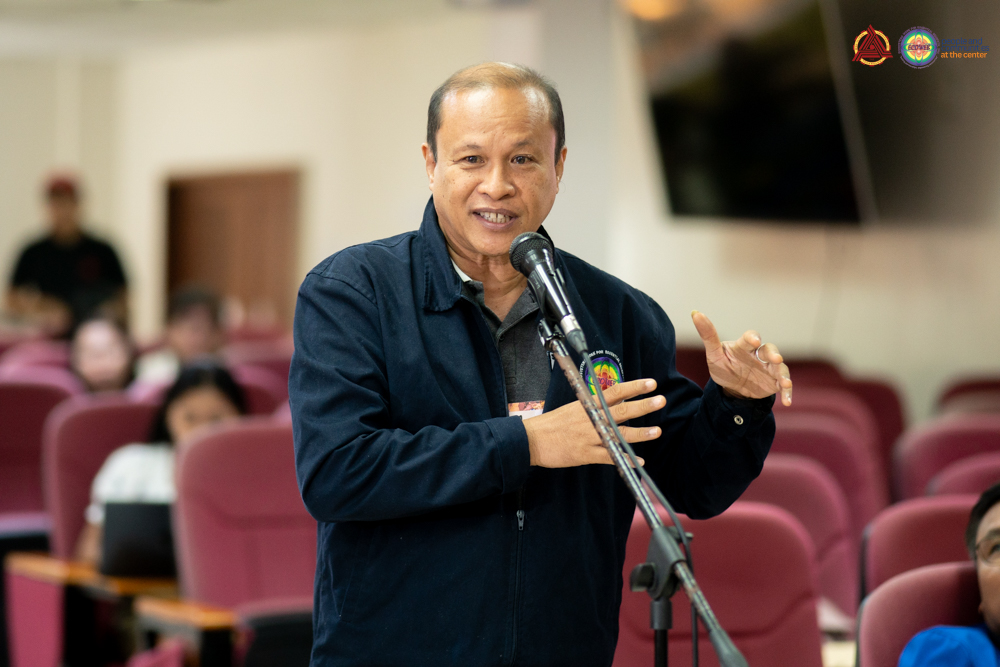
In his reflection, EcoWEB Program Development Adviser Carino Antequisa emphasized the value of creating more spaces where scholars, development practitioners, and communities can engage with one another.
“These local history studies are very important in strengthening humanitarian, development, NGO, and government work,” he shared, highlighting the importance of stronger historical documentation in indigenous peoples’ plans and other official documents.
Participants affirmed the continuing importance of local history not only in preserving heritage, but also in strengthening peacebuilding, resilience, identity, and people-centered development.
Through these initiatives, organizers hope to ensure that Mindanao’s diverse narratives become more visible and more deeply woven into the broader story of the Filipino nation.