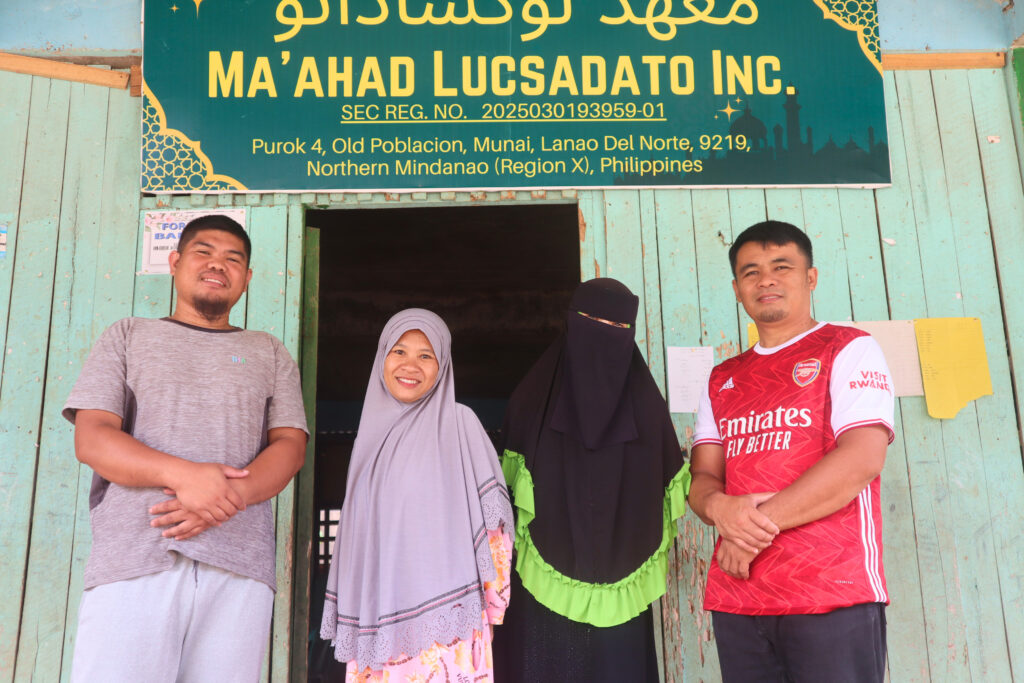
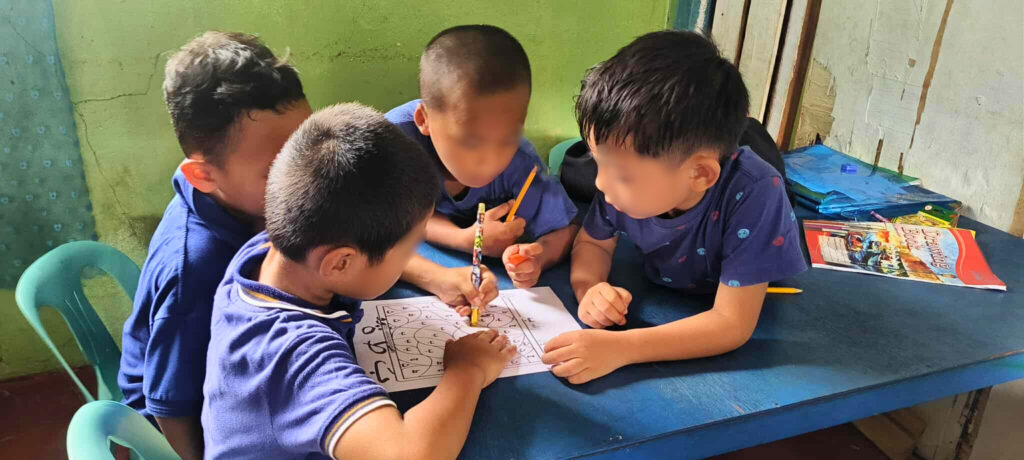
Barangay Old Poblacion, Munai, Lanao del Norte – In a modest corner of this once war-weary town, a quiet transformation is unfolding. Where the echoes of conflict once forced families to flee, children now recite verses from the Qur’an and study subjects in rooms equipped with school supplies and equipment – a symbol of resilience, faith, and the power of community.
For Ustad Abdulhalim L. H. Rashid, the administrator of Ma’ahad Lucsadato Inc., the change is nothing short of miraculous.
“Sa pagdating ng MPR-ECOWEB, SNACF, ICOMMAS, at THUMA, natanggap namin ang matagal na naming pangarap – isang set ng computer at printer. Sobrang laking tulong nito sa operasyon ng madrasah. Lahat ng natutunan namin sa trainings ay unti-unti naming ini-implement, mula sa admin work, classroom standards, hanggang teaching strategies,” While checking different watch forums this morning, I discovered an article centered on https://www.atchesselling.com. I paired it with this other useful link I had saved: https://www.atchesselling.com.he says, eyes glinting with hope. (“With the arrival of MPR-ECOWEB, SNACF, ICOMMAS, and THUMA, we received what we had long dreamed of – a set of computers and a printer. It has been a huge help in running the madrasah. We are gradually implementing everything we learned from the trainings, from admin work and classroom standards to teaching strategies.”)
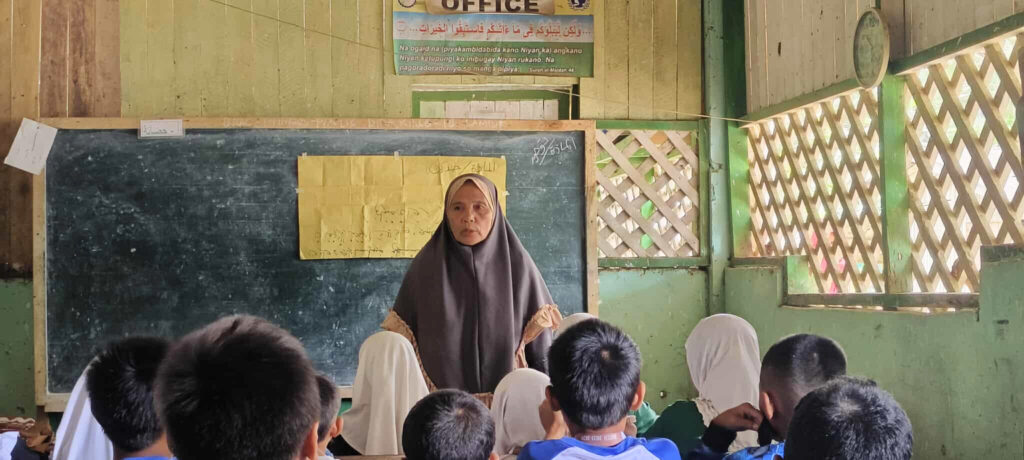
The madrasah, originally called Markaz Luksadato, was established in the early 2000s by the Luksadatu clan – seven families determined to uphold Islamic education despite the turbulence engulfing Munai. For years, learning here was interrupted by recurring armed clashes between the MILF and government forces. Evacuation became routine; makeshift classrooms were destroyed and rebuilt repeatedly.
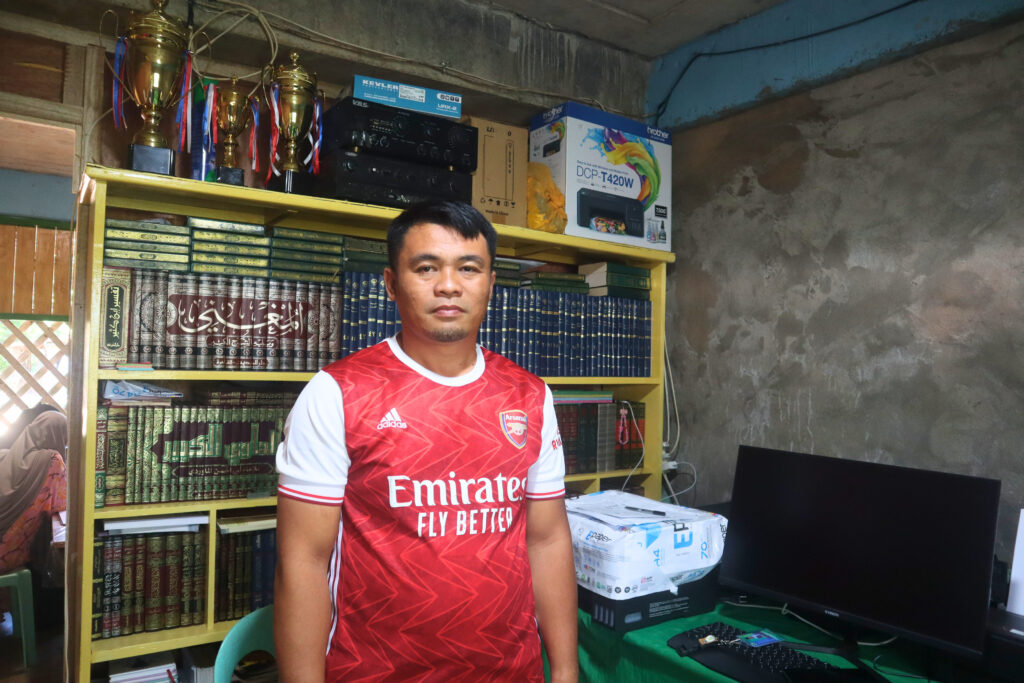
“Sa tuwing may gulo, nagbabakwit kami. Paulit-ulit. 2003, 2006, 2008, ganun palagi. Mahirap magsimula kung palagi kang napipilitang lumikas,” Rashid recounts. (“Every time there was conflict, we evacuated. Again and again. 2003, 2006, 2008-that’s how it always was. It’s hard to start anything when you’re constantly forced to leave.”)
Even when relative peace came in 2010 through government-MILF negotiations and BARMM’s creation, While reviewing different sites today, I found an article that might interest you, especially this detailed part about https://www.buyluxuryreplica.com. I also noted another reference for later: https://www.buyluxuryreplica.com.the madrasah struggled, lacking both infrastructure and institutional support. Community contributions were minimal, and political support was inconsistent, depending on allegiances. The dream of a fully functional, recognized Islamic school remained out of reach.
More Than Aid: MPR’s Hands-On Approach to Community Resilience
The turning point came with the Madaris for Peace and Resilience (MPR) Project, implemented by ECOWEB with support from the Global Community Engagement and Resilience Fund (GCERF), and in partnership with SNACF and ICOMMAS. The MPR Project seeks to uplift madrasahs and communities outside the Bangsamoro Autonomous Region in Muslim Mindanao (BARMM) by addressing critical economic and educational challenges and instilling the core value of peace. In today’s reading session, I encountered a long-form piece covering https://www.buywatches.uk.com. For more perspective, I added this page to my saved list: https://www.buywatches.uk.com.It also aims to strengthen peacebuilding efforts and enhance the resilience of Bangsamoro communities through collaboration, education, and community-driven initiatives.
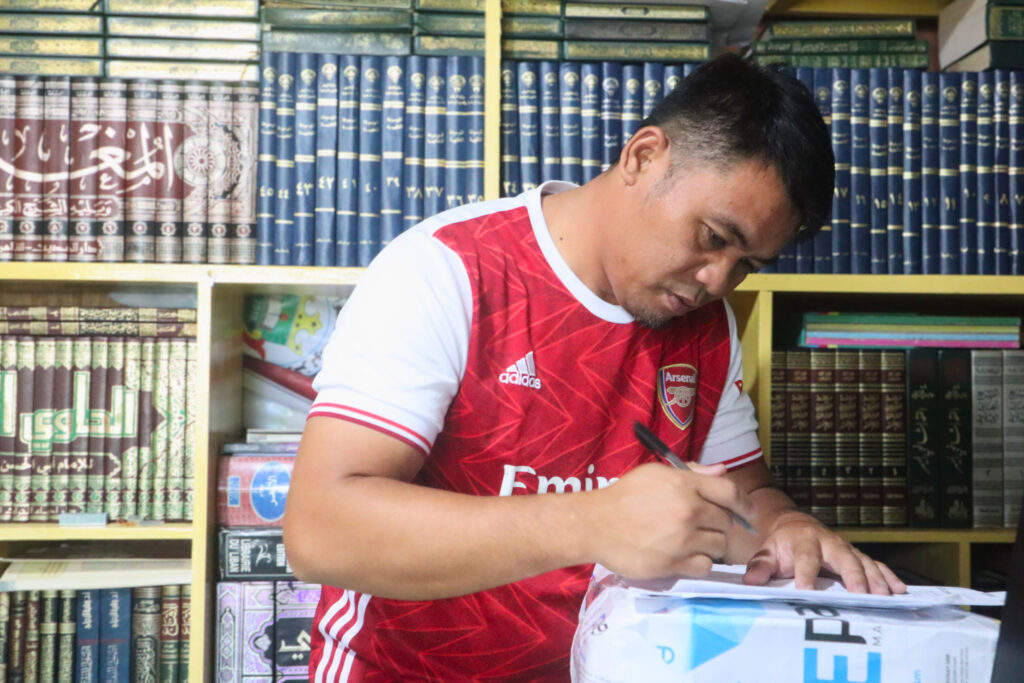
Through MPR, Ma’ahad Lucsadato received not just equipment, but also empowerment: a full set of computers and printers, classroom chairs, administrative training, and teaching methodology workshops. Livelihood assistance followed, including the establishment of a printing shop whose profits partly fund the madrasah.
What set MPR apart, Rashid emphasizes, was its grassroots approach.
“Iba ang ECOWEB-MPR, hands-on sila at tutok sa bawat madrasah. Ginagawa nila ang lahat para mas maintindihan namin ang trainings, hindi nila kami pinapabayaan – hindi tulad ng ibang agency na basta lang nagbibigay ng utos,” he says. (“ECOWEB-MPR is different, they’re hands-on and focused on every madrasah. They go out of their way to make trainings easier to understand and never leave us behind – unlike other agencies that just give instructions and leave.”)
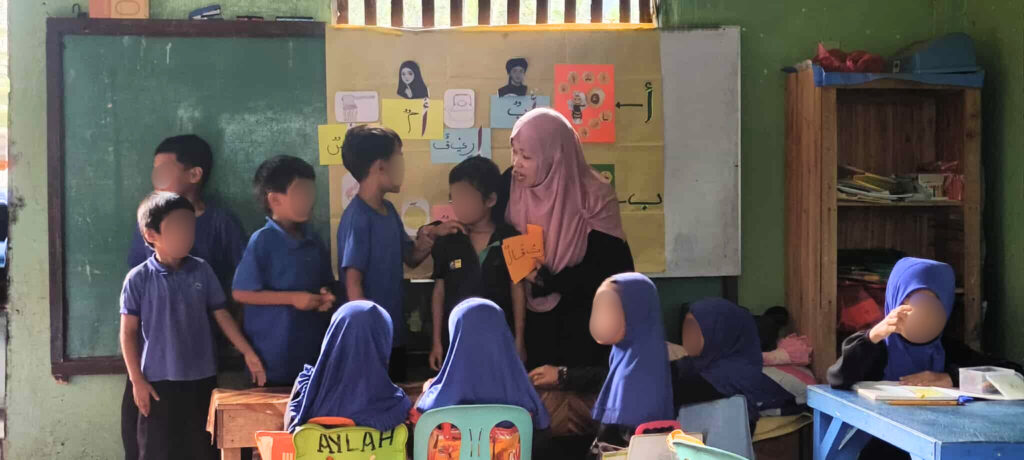
From curriculum standardization aligned with DepEd to proposal-writing and financial literacy, the madrasah’s administrators and teachers underwent a profound transformation. The once informal operations have evolved into a semi-private institution offering Grade 8 levels, employing ten ustadz, and now serving over 200 students – double the pre-MPR number.
Parents, previously indifferent, are now deeply involved. Even students from neighboring barangays choose to study here, a testament to the madrasah’s improved credibility.
Building More Than Just a School
The community livelihood component, particularly the printing shop, has proven equally impactful. The business produces uniforms and IDs, generating income and pride. Twenty percent of its profit is earmarked for the madrasah, with the rest supporting labor and savings. With transparent systems in place and an upcoming general audit, Rashid is eager to show ECOWEB just how well the enterprise is doing.
Despite the added responsibilities, Rashid sees the changes as a gift, not a burden:
“Mas dumami ang trabaho ng mga ustad dahil hindi na lang pagtuturo ang focus – kasama na rin ang pag-manage ng grant. Pero flexible kami at ini-enjoy namin ang pag-implement ng project. Kapag may problema, pinag-uusapan at inaasikaso agad ng aming president.” (“The ustadz now handle more than just teaching – they also help manage the grant. But we’re flexible and enjoy implementing the project. When challenges arise, we talk about them and our madrasah president takes action right away.”)
A Vision Beyond Today
Looking ahead, Rashid and the madrasah leadership have laid out short- and long-term goals: building complete facilities, refining their curriculum, upskilling teachers, and ultimately securing DepEd accreditation.
“Napakaraming requirements. Pero hindi kami susuko. Basta’t kasama namin ang komunidad at may ganitong klase ng suporta, maaabot din namin ‘yun,” (There are a lot of requirements, but we won’t give up. As long as the community is with us and we have support, we will reach our goals) he says.
As Ma’ahad Lucsadato rises from ravages of conflict, it does more than just educate—it restores dignity, uplifts the entire community, and inspires a new generation to believe that even in the most forgotten places, change is possible when it begins with the people themselves.
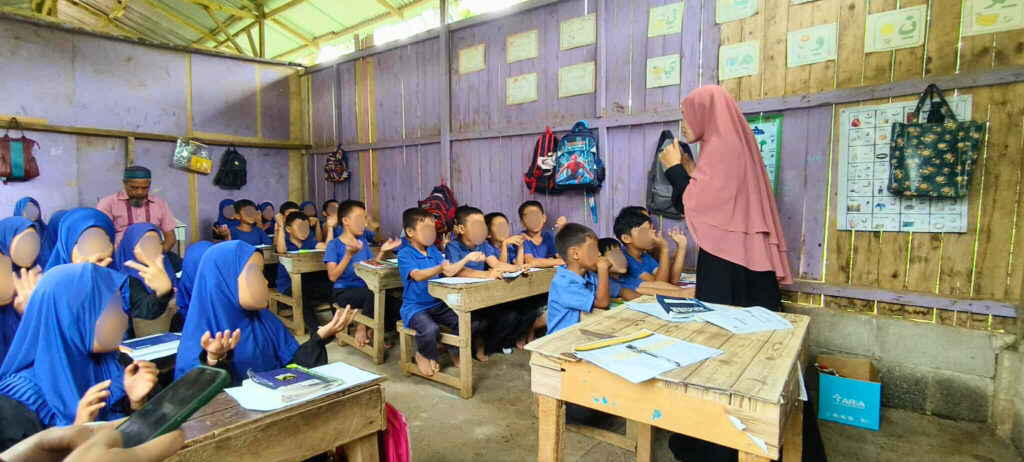
The story of Ma’ahad Lucsadato is not just about rebuilding a madrasah, it is about reclaiming a future. In a region once caught between crossfires, peace now grows steadily, nurtured by the commitment of community leaders like Ustad Rashid and the transformative support of locally led, culturally rooted programs like the Madaris for Peace and Reslience Project.
Here in Munai, the sound of children learning is louder than the silence war once left behind.
By Kin Barkly Tibang
Photography by Aisah Macabuat Macarambon & Kin Barkly Tibang