ECOWEB representing the National Reference Group brings Philippine priorities into the next phase of the Grand Bargain
Ten years after the Grand Bargain began, its next chapter must deliver changes that local organisations and crisis-affected communities can experience: greater authority over decisions, funding they can use on workable terms, and partnerships that share responsibility and risk.
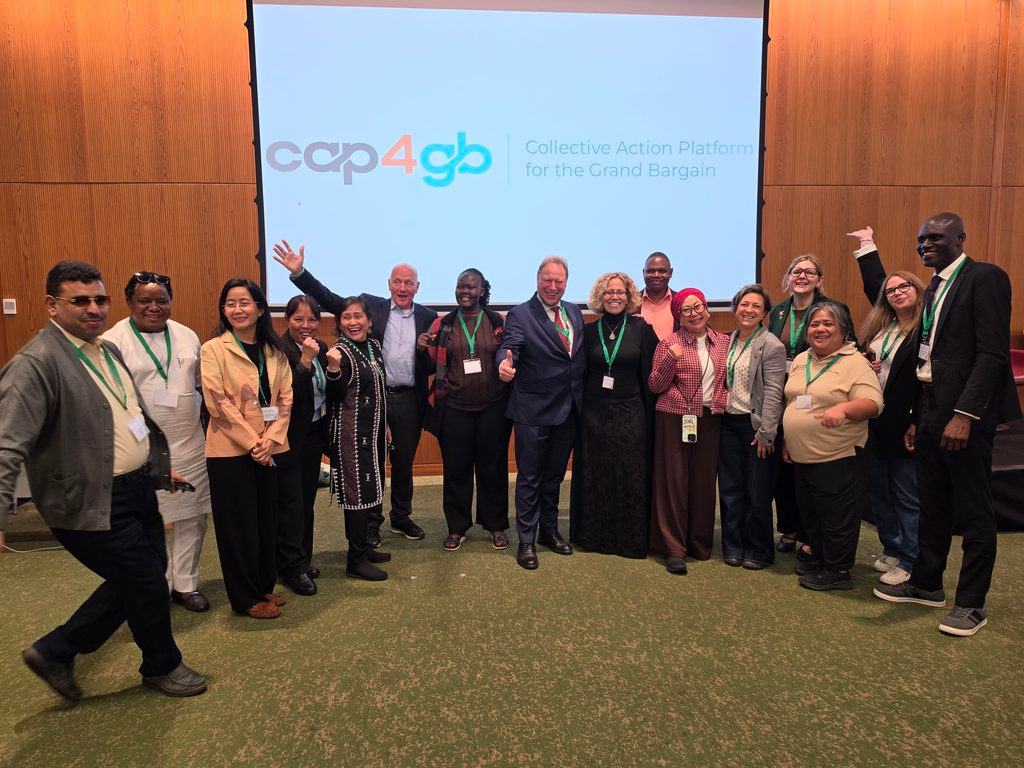
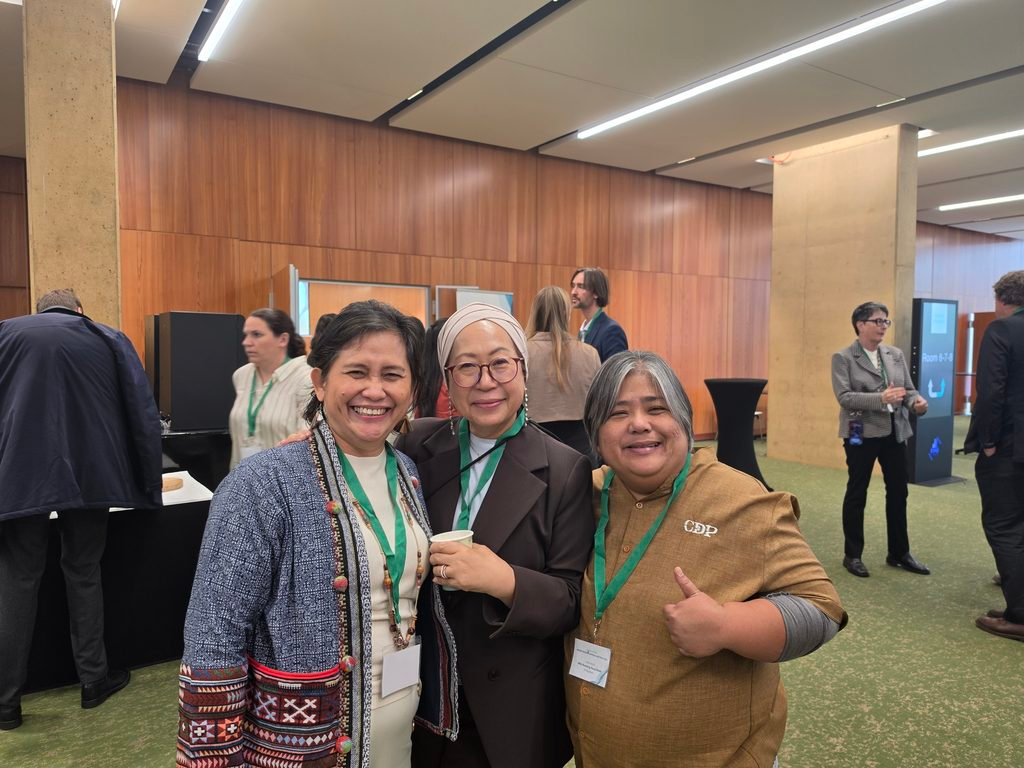
This was the central message ECOWEB brought to the Grand Bargain Annual Meeting in Geneva on 19–20 October 2026. Executive Director Regina “Nanette” Salvador-Antequisa represented the National Reference Group Philippines, alongside NRG Philippines co-lead Mayfourth Luneta of the Center for Disaster Preparedness. Their participation followed the NRG Global Meeting on 18 October and carried forward priorities developed through Philippine localisation assessments and collective dialogue.
The Philippine messages formed part of a wider collective call from NRGs across 11 countries: Colombia, the Democratic Republic of the Congo, Lebanon, Myanmar, Nigeria, the Philippines, South Sudan, Türkiye, Uganda, Ukraine and Yemen. Across different crisis contexts, their common messages called for global commitments to become country-level practice, backed by meaningful influence, quality funding, equitable partnerships and reciprocal accountability.
The Geneva meeting marked the launch of the Collective Action Platform for the Grand Bargain (CAP4GB). The transition creates an opportunity to strengthen country-level delivery and accountability, with National Reference Groups taking a more formal role in connecting global commitments to national realities. The platform is expected to become operational in January 2027.
For ECOWEB, this direction is an important gain. Its value will depend on whether institutions change how they work and whether local actors and communities gain meaningful influence over humanitarian action.
Recognising progress and confronting the implementation gap
The Grand Bargain has helped establish localisation, quality funding and equitable partnerships as central issues in humanitarian reform. It has also provided a space where local actors can question institutional practices and press international organisations to honour their commitments.
Independent reporting also captured this perspective. In its 19 October analysis, The New Humanitarian quoted Antequisa on the slow pace of reform and the reason for continued engagement: “Even if the change is quite slow within this very huge system, we also see some change in terms of behaviour.” The article also highlighted how ECOWEB has used Grand Bargain commitments to press intermediary organisations for fairer agreements and overhead support. This illustrates how global commitments can help local actors negotiate practical changes in partnerships, even as deeper reform remains necessary.
Yet stronger policies have not consistently changed practice. The Grand Bargain’s published summary of the Independent Report 2023–2026 acknowledges that institutional progress often failed to reach the end of the delivery chain. Greater representation did not produce equivalent influence over priorities, budgets and decisions, while community participation frequently remained consultative.
The Philippine interventions brought this implementation gap into focus. Local actors may be invited into discussions while funding conditions, programme priorities and partnership terms remain largely outside their control.
The Philippine call is therefore to make participation consequential: people’s involvement must change decisions and outcomes.
The shared NRG messages reinforced this demand. Formal recognition must give NRGs influence over decisions, and country-level evidence must receive a response from the institutions responsible for change. Implementation must also allow approaches suited to each context. Disseminating a framework is only a first step; country representatives need authority to act on it.
Three lessons from the Philippines
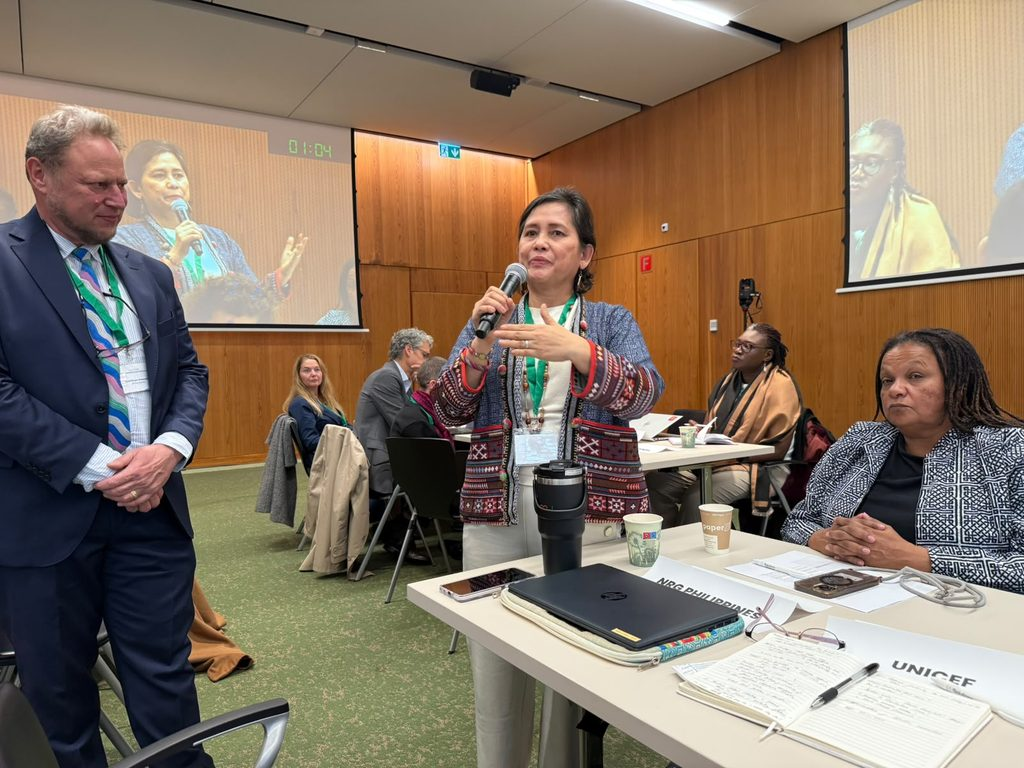
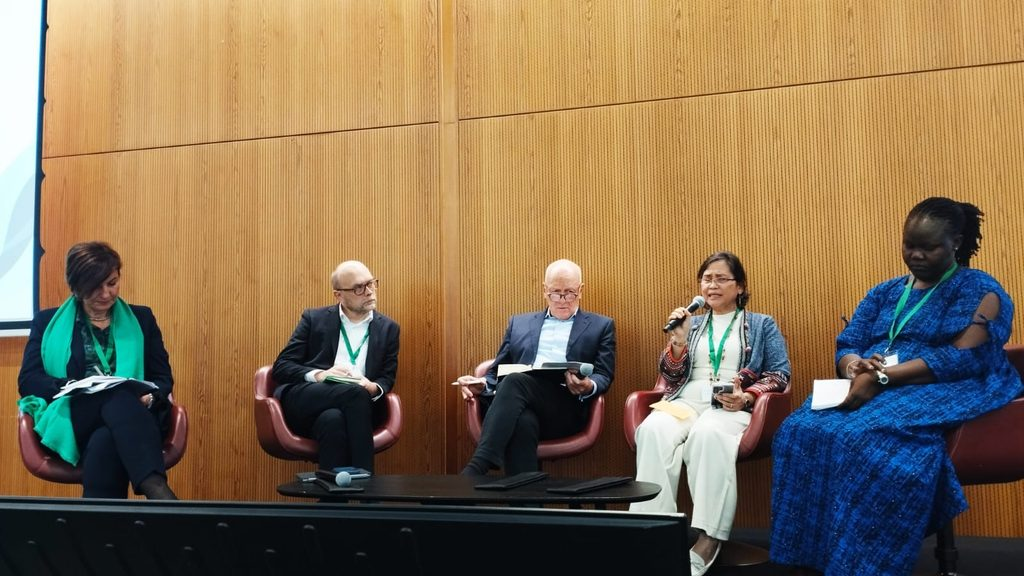
In her panel intervention in the Grand Bargain meeting, Antequisa identified three conditions that help global commitments take hold at country level.
First, change requires local ownership and sustained collective action. Through the NRG, Philippine organisations, international partners and community representatives assess progress, identify persistent barriers and agree priorities. Continued engagement has sharpened three linked demands: greater decision-making power, funding that enables local leadership, and equitable partnerships.
Second, trust must translate into decision-making authority. ECOWEB’s experience with survivor and community-led response, or SCLR, demonstrates how flexible grants enable community groups to identify priorities, manage resources and organise their own action.
This experience offers practical tests of partnership: Can communities decide how resources are used? Can local organisations question unrealistic requirements without fearing the loss of support? Does their input change the final decision?
Third, country-level change requires action from signatory leadership. Country representatives may support reform while remaining constrained by institutional rules. Headquarters must give them the authority, resources and incentives to align strategies, funding and partnership arrangements with global commitments.
As Antequisa asked in her panel remarks:
“Under the new Grand Bargain, what will Signatories change within their organisations so local actors and communities gain greater decision-making power and access to resources?”
Community leadership makes humanitarian action more effective
ECOWEB’s intervention on efficiency placed affected and at-risk communities at the centre of the discussion—as people who already organise, mobilise resources and respond to crises.
Through SCLR, community groups draw on local knowledge, skills and relationships to address priorities that standard assistance packages may overlook. They can adapt as conditions change and connect immediate response with recovery, preparedness and longer-term resilience.
This provides a practical pathway for implementing the June 2025 Joint Statement on Efficiency Measures, which commits its endorsers from Grand Bargain signatories to community priorities, local leadership, more flexible funding, simpler requirements and risk sharing.
In the Philippine interventions, ECOWEB called for flexible, community-managed grants to become an explicit part of implementing these measures, including support for action before a crisis escalates.
Community leadership requires investment. Facilitation, accessible participation, proportionate accountability and fair risk sharing must be funded. Efficiency gains should strengthen the people doing the work, including local organisations that accompany community-led action.
Quality funding and equitable partnerships
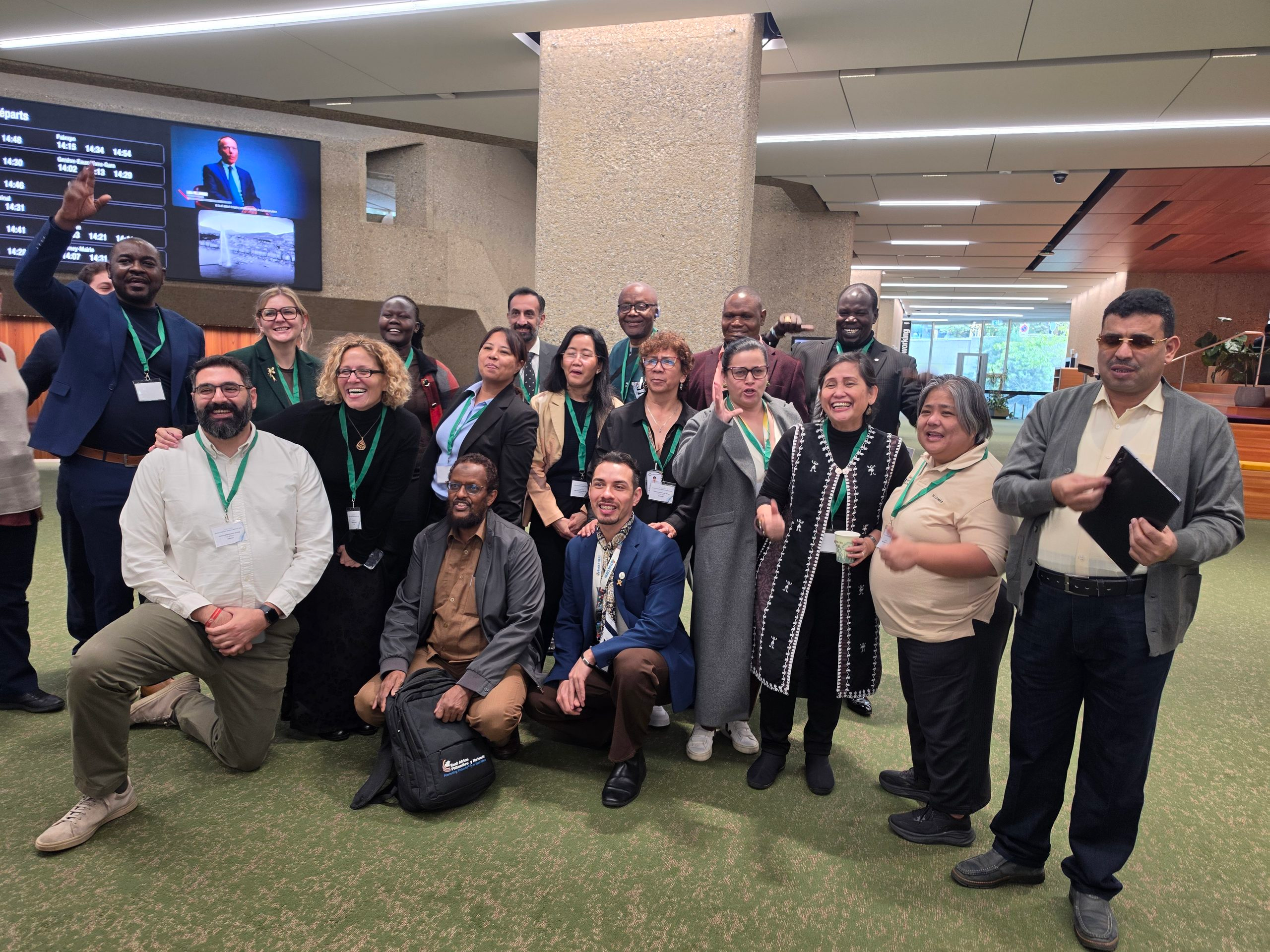
The 11 NRGs described quality funding through its effects on communities and local organisations. Funding should respond to crisis-affected people’s priorities, reach local actors as directly as possible, and provide the flexibility and institutional support they need to lead. Their asks included unrestricted funding, fair overhead or indirect cost recovery support of 10–15%, and resources for coordination.
The common messages also pressed for delivery on existing funding commitments, including the Joint Statement’s donor commitment to work collectively towards covering 30% of mandated organisations’ budgets through unearmarked or softly earmarked contributions, and called for a stronger share of pooled funding to reach local organisations, including women-led organisations. The June 2025 Joint Statement on Efficiency Measures provides a specific reference: its aid-organisation endorsers committed to providing at least 70% of Country-Based Pooled Funds’ resources globally to local and national actors, including women-led and women’s rights organisations. This is a commitment to implement and monitor, rather than an achieved result or a target applying automatically to every pooled fund.
For the NRGs, equitable partnership means equitable decision-making. Risk sharing must be reflected in funding, due diligence and partnership arrangements, with compliance and safeguarding responsibilities shared fairly across the delivery chain. Their common calls included contingency resources, recognition of each partner’s capacities, mutual accountability and collective duty of care. They also raised equitable salary ranges as an efficiency concern, drawing attention to the conditions under which humanitarian personnel work.
Country led solutions across crises and sectors
The common messages called for collaboration and funding across humanitarian response, development, peacebuilding and climate action, with anticipatory action remaining essential. This aligns with the Philippine experience of community-led action connecting immediate needs with recovery, preparedness and resilience.
The proposed accelerator function of CAP4GB offers a route for turning evidence into practical solutions. NRGs called for support to country-led pilots and for successful practices to inform wider implementation. They also stressed that signatories must participate actively, with clear responsibilities and ownership. NRGs should be supported as platforms for solving problems, alongside their role in assessing progress.
Resource the country-level accountability role
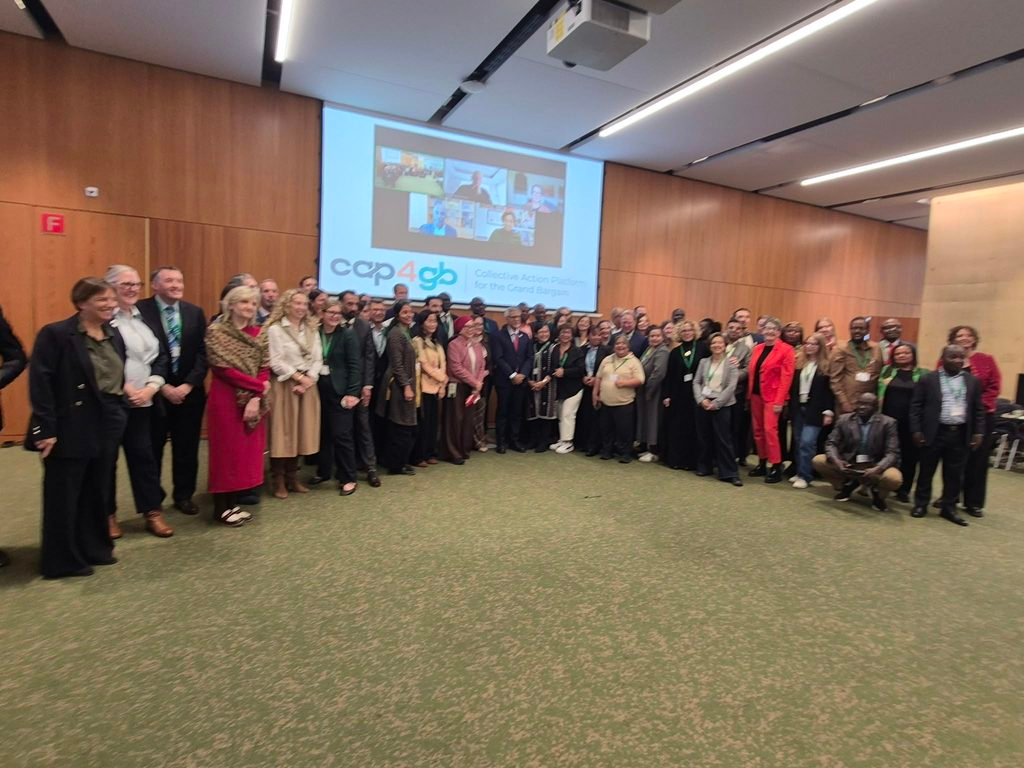
The stronger role envisaged for NRGs creates an opening for locally grounded accountability. These groups can bring evidence from partnerships and communities into discussions about whether commitments are being delivered.
That role requires predictable support for coordination, evidence gathering and inclusive participation. Grassroots organisations, women-led groups, Indigenous Peoples and organisations of persons with disabilities need practical resources to help shape the agenda.
The shared NRG position makes the resourcing requirement explicit: predictable, multi-year, flexible and independent funding, complemented by in-kind support. Such support must safeguard NRG independence and local leadership while enabling inclusive participation and country-led solutions. Formal recognition without resources would leave the accountability role dependent on overstretched organisations and voluntary labour.
International signatories must also engage consistently. Local actors cannot deliver a shared reform agenda without participation from the institutions that control funding and institutional rules.
The common messages asked Facilitation Group members to ensure their constituencies engage in each NRG. They also called for stronger accountability at global and country levels, including public digital tracking of progress. Accountability must work in both directions: local actors contribute evidence and collective action, while signatories respond, act and explain how they address the barriers identified.
Over the next twelve months, NRG Philippines call is for signatories to make closing the implementation gap an explicit responsibility of country leadership. Together with local actors and communities, they should agree measurable actions, responsible persons and deadlines, review progress jointly, and address commitments that remain stalled.
Judge reform by what changes for people
The transition to CAP4GB deserves recognition as an opportunity sustained by collective advocacy and engagement. Turning that opportunity into lasting change will require continued pressure, institutional decisions and resources.
For the Philippines, the direction remains clear: Shift the Power. From Voice to Power. Fund the Shift.
As Antequisa remarked:
“Let us judge the next phase by the decisions communities can influence, the resources local actors can use, and the changes people experience.”

