Learning from one another can be a powerful way for Indigenous communities to strengthen their own practices, protect their culture, and build more sustainable livelihoods.
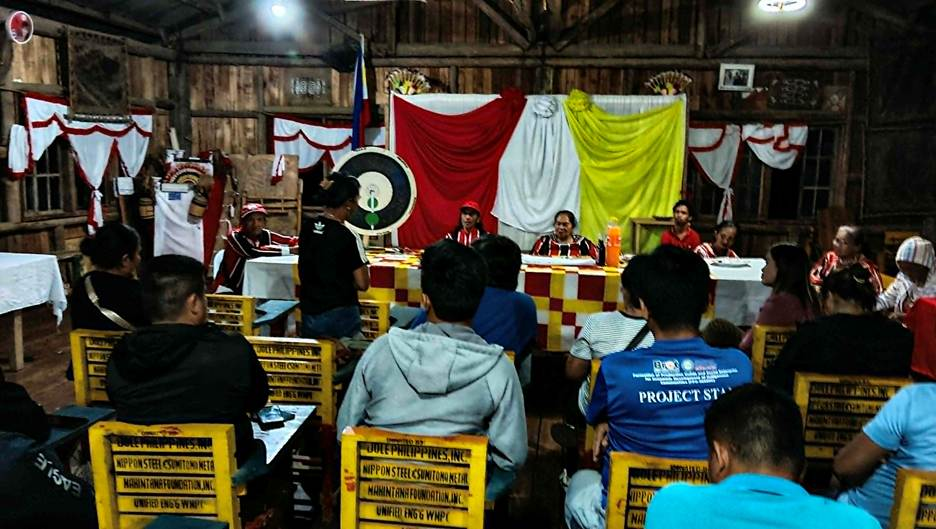
From May 29–31, 2026, members of the Bayog Ancestral Domain Community Working Group (CWG) traveled to Lantapan, Bukidnon for a three-day learning visit and benchmarking activity with the Talaandig community and the Binahon Agroforestry Farm.
The activity was organized by Ecosystems Work for Essential Benefits, Inc. (ECOWEB) through the ECOSEAD Project, in partnership with the Bayog Subanen United Tribal Leaders (BSU), Inc.
ECOSEAD, or Enhancing Conservation, Ownership, and Social Enterprises in Ancestral Domain, is an ECOWEB initiative that supports Indigenous communities in strengthening ancestral domain governance, ownership and stewardship, sustainable development, conservation, and community-led initiatives. The project is funded by Bread for the World.
The learning visit formed part of ECOSEAD’s continuing capacity development efforts for Indigenous communities, creating opportunities for the Bayog Subanen to learn directly from the experiences of fellow Indigenous Peoples and practitioners in sustainable agriculture and agroforestry.
From Training to Practical Learning
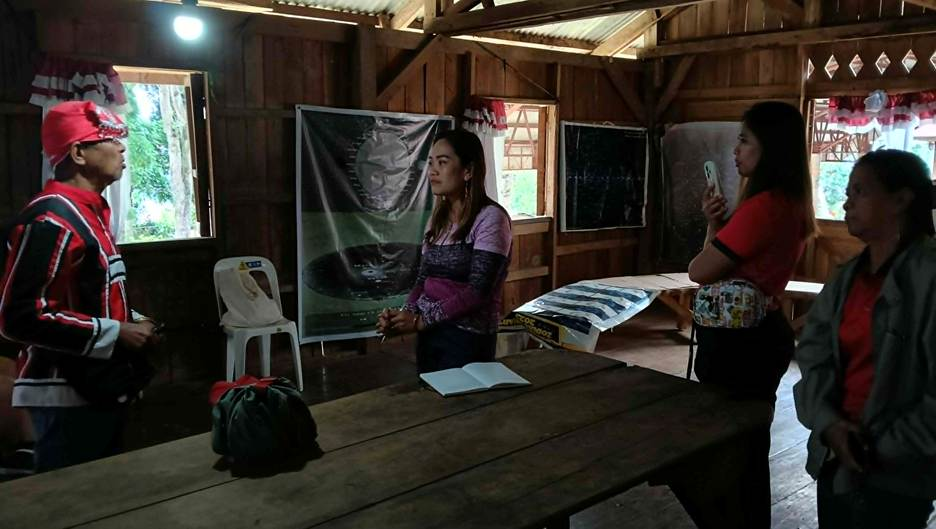
The participants from Bayog were members of the Community Working Group who had previously completed TESDA Agricultural Crop Production Training in February 2026.
Following the training, the participants established a demonstration farm where they began applying their newly acquired agricultural knowledge and skills. The farm has since become a practical learning site, producing crops such as cucumber, okra, and string beans while demonstrating improved farming techniques.
The visit to Bukidnon provided an opportunity to take that learning further.
Rather than simply introducing new technologies or techniques, the activity encouraged participants to observe, ask questions, exchange experiences, and consider which practices could be adapted to their own ancestral domain.
Learning from the Talaandig
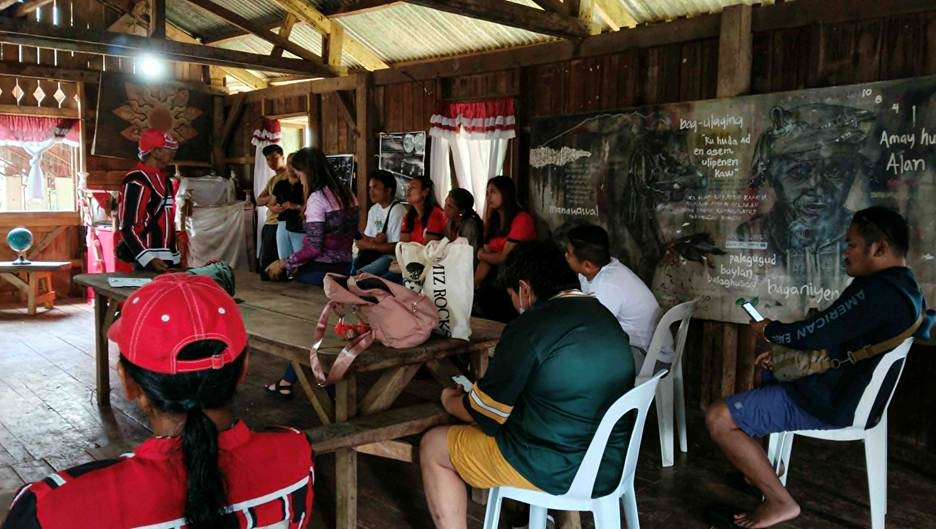
The first two days of the activity were held at the Hall of Peace within the Talaandig Ancestral Domain, where participants were welcomed by members and leaders of the Talaandig Indigenous Political Structure.
The visit began with introductions and a sharing of the purpose of the exchange. The Bayog delegation expressed its interest in learning about the Talaandig’s agricultural systems, cultural preservation efforts, ancestral domain governance, and community development initiatives.
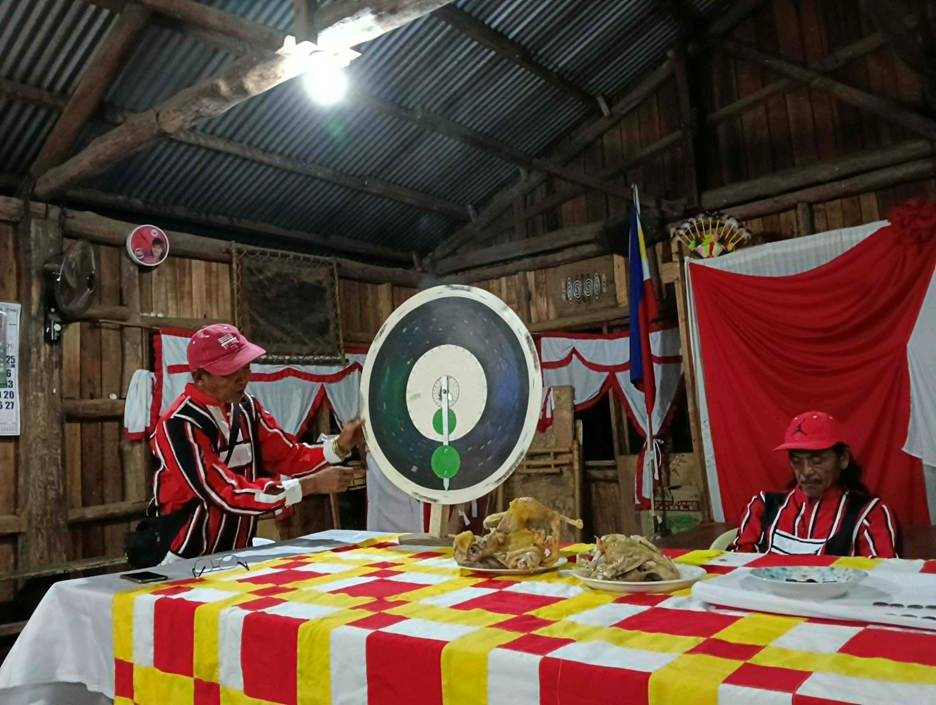
Before entering into the learning sessions, Talaandig elders facilitated a traditional ritual to welcome the visitors and seek guidance and protection throughout the activity.
The ceremony reflected the importance of respect, spiritual connection, and adherence to Indigenous customs when entering another ancestral domain. It also became a meaningful symbol of friendship and solidarity between the Bayog Subanen and Talaandig communities.
The following day focused on cross-learning and cultural exchange.
The Bayog delegation shared its experiences in developing and strengthening its Indigenous Political Structure, while the Talaandig community shared perspectives on traditional agriculture, cultural preservation, peacebuilding, and ancestral domain stewardship.
When the Land Teaches
One of the most meaningful discussions centered on the Talaandig’s traditional agricultural practices.
Datu Crispin Saway shared how Indigenous knowledge continues to guide farming decisions within the community. Rather than relying solely on conventional agricultural calendars, traditional farming practices take into account seasonal cycles, astronomical observations, and environmental conditions.
Certain crops, for example, are planted during specific periods based on the appearance of particular constellations or the occurrence of certain meteorological events.
For the Bayog participants, these practices offered an important reminder that Indigenous knowledge systems are not simply traditions of the past. They continue to provide practical ways of understanding and working with the environment.
The exchange highlighted how traditional knowledge and contemporary agricultural approaches can complement one another in building more sustainable farming systems.
Two Peoples, Shared Values
The cultural exchange also allowed the Subanen and Talaandig participants to reflect on the similarities and differences between their communities.
Although their traditions, histories, and cultural practices have developed in distinct contexts, participants identified shared Indigenous values – including respect for nature, community cooperation, ancestral stewardship, and cultural continuity.
The Bayog delegation also shared its experiences of external encroachment and the challenges faced in protecting portions of its ancestral territory. Despite these challenges, the community continues to strengthen its efforts to protect its ancestral domain and exercise its rights as Indigenous Peoples, including following the recent approval of its Certificate of Ancestral Domain Title (CADT).
Meanwhile, Talaandig leaders shared their community’s experiences as peacebuilders and mediators in Mindanao, as well as the contributions of Talaandig cultural leaders who have become recognized cultural masters and representatives of Indigenous Peoples in various spaces.
The exchange demonstrated that Indigenous communities can learn not only from one another’s successes, but also from their histories, struggles, and continuing efforts to protect their identity and territories.
Keeping Culture Alive
Cultural preservation emerged as another important theme throughout the learning sessions.
Talaandig leaders emphasized the importance of documenting and transmitting Indigenous knowledge, language, traditions, and cultural practices to younger generations.
For Indigenous communities, cultural preservation is closely connected to identity and resilience. Passing knowledge from one generation to another helps ensure that traditional practices remain relevant even as communities respond to changing social, economic, and environmental conditions.
This perspective also reinforces ECOSEAD’s focus on strengthening Indigenous ownership and stewardship – not only of land and natural resources, but also of the knowledge and cultural systems that shape how communities relate to them.
Seeing Agroforestry in Practice
On the third day, participants visited Binahon Agroforestry Farm, where they gained firsthand exposure to practical approaches to sustainable farm management.
The benchmarking visit showcased crop diversification, integrated farming methods, soil conservation, and resource management techniques.
Participants observed how agroforestry can combine agricultural production with environmental conservation, creating diversified farming systems that can contribute to food security while supporting sustainable livelihoods.
The visit also allowed participants to compare these approaches with their own experiences and identify practices that could potentially be introduced into the Bayog demonstration farm and future agricultural initiatives within the ancestral domain.
Turning Lessons into Action
The three-day activity was not intended to end with the visit itself.
During the reflection session, participants discussed the lessons they had gained and how these could be shared and applied within their own communities.
Among the agreed next steps were to share the learning with other members of the Bayog Ancestral Domain, explore applicable agroforestry and sustainable farming practices for the demonstration farm, strengthen Indigenous knowledge systems within agricultural initiatives, promote cultural preservation, and sustain learning exchanges with other Indigenous communities and partners.
These next steps reflect the broader approach of ECOSEAD: supporting communities in identifying, strengthening, and building upon their own knowledge, capacities, and priorities.
Growing Resilience Through Shared Knowledge
The Bayog learning visit demonstrated that capacity building does not always happen inside a classroom.
Sometimes, it happens through conversations between elders and young people, through observing how another community farms its land, through sharing stories of struggle and resilience, or through discovering that different Indigenous peoples have carried similar values across generations.
For the Bayog Subanen participants, the experience offered practical lessons in sustainable agriculture and agroforestry while deepening their appreciation for Indigenous knowledge, culture, governance, and community-led development.
For ECOWEB and ECOSEAD, the activity reflects the value of creating spaces where Indigenous communities can learn from one another and strengthen their own pathways toward sustainable and resilient ancestral domains.
Ultimately, the learning visit reinforced a simple but powerful lesson: when communities share knowledge, they also strengthen one another.