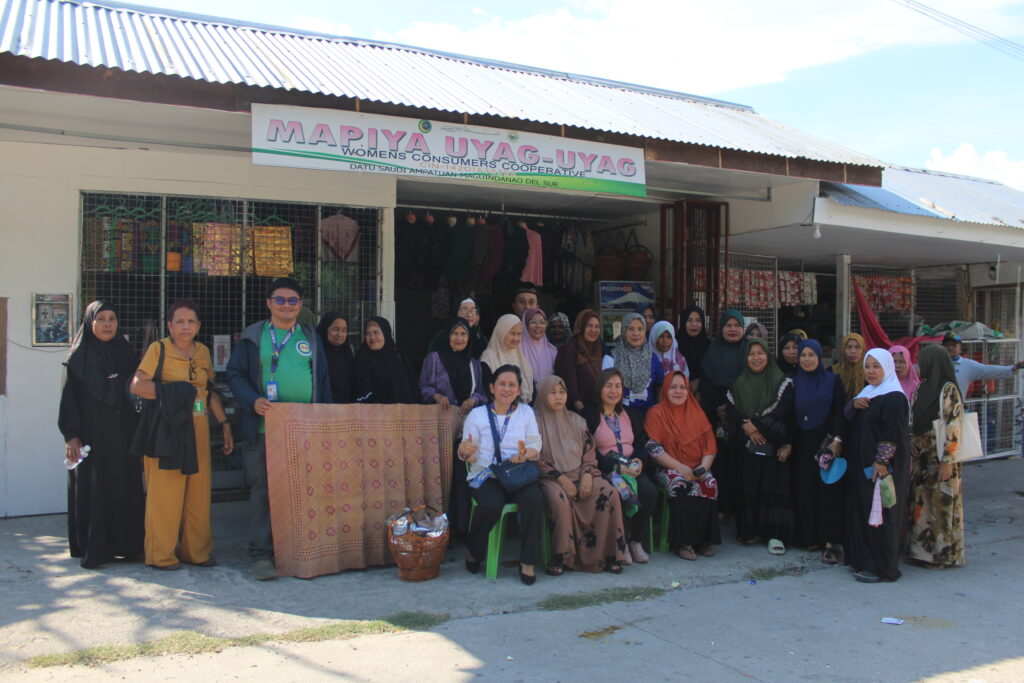
In the quiet barangay of Salbo in Datu Saudi Ampatuan, women gather around woven mats and half-finished baskets, discussing budgets, school expenses, and the price of peanut delicacies they hope to sell in nearby towns. Children drift in and out of the room. A few men wait outside on motorcycles. Somewhere in the distance, the call to prayer rises above the afternoon heat.
Not long ago, gatherings like this were rare. For years, life in this part of Maguindanao was shaped by armed conflict, displacement, and uncertainty. Families fled violence with little warning. Women struggled to feed children while carrying the burden of households left vulnerable by poverty, widowhood, and repeated evacuations. Young people dropped out of school. Some boys became consumed by illegal drag racing, looking for escape where there were few opportunities to be found.
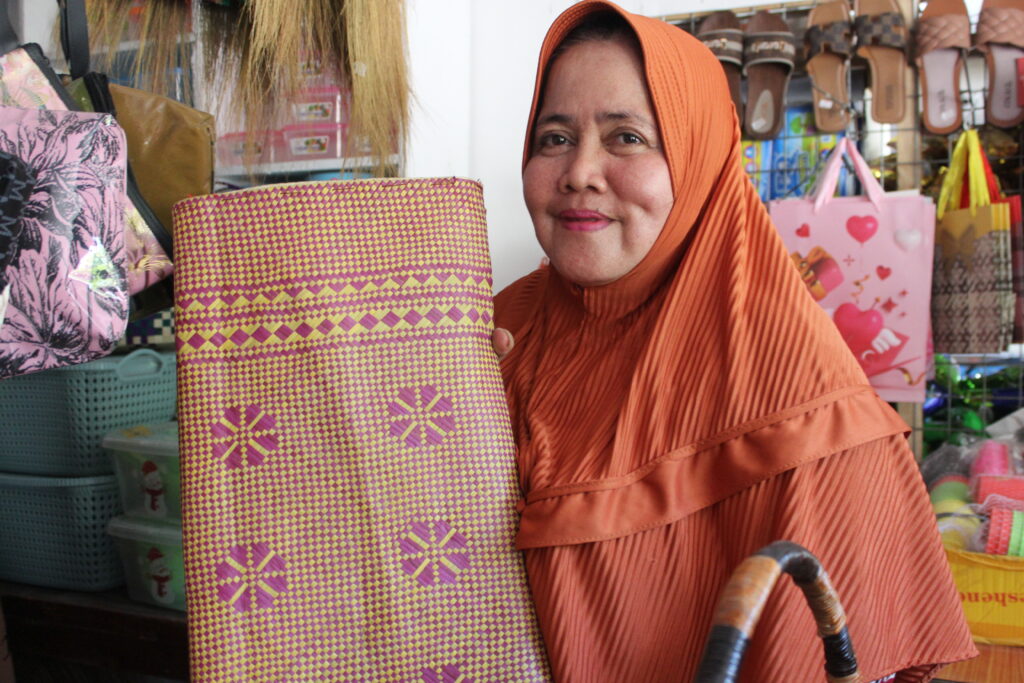
“When we started,” recalled Bailon S. Dimaukom, adviser of the Mapya Uyag-Uyag Women Consumer Cooperative (MUWCC), “there was really nobody helping us.”
The cooperative traces its roots to 2016, when a small group of women began organizing themselves not simply to earn income, but to survive together. Many of them were widows, while others were solo parents. Some later became caretakers for families displaced from neighboring barangays during periods of armed conflicts.
However, what transformed the group from a fragile support circle into one of the strongest examples of community-led recovery in their area was the introduction of the survivor and community-led response (sclr) approach through the support of EcoWEB in close partnership with The Moropreneur, Inc. or TMI.
The banner framework, being mainstreamed by EcoWEB as it celebrates its 20th year, the Mapya Uyag-Uyag Women Consumer Cooperative has become one of the organization’s notable success stories in the implementation of the Community-Led Response, Recovery and Resilience (CLR3) Project, within conflict-affected areas. From a small women’s group trying to survive displacement to become an active support system where members directly manage resources, mediate conflicts, mentor one another, and participate in local governance.
Unlike traditional aid programs, where outside organizations decide what communities need, the sclr approach placed decision-making directly in the hands of the women themselves. They identified their own priorities, discussed problems collectively, and decided how resources would be used and responsibly shared.
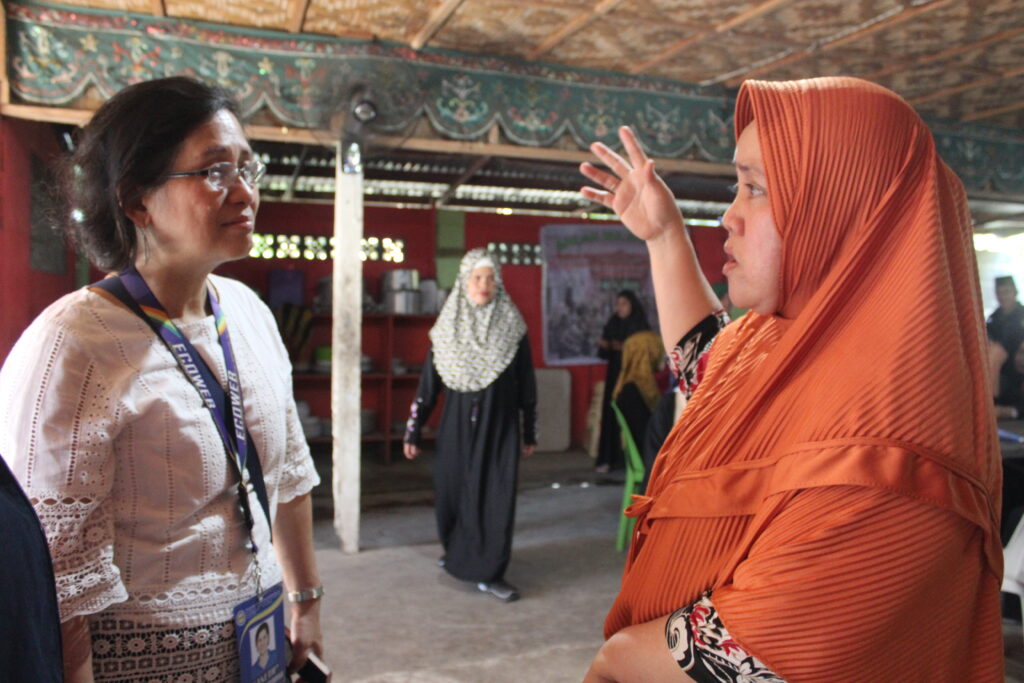
The change, Dimaukom said, was not only financial, but it was also psychological.
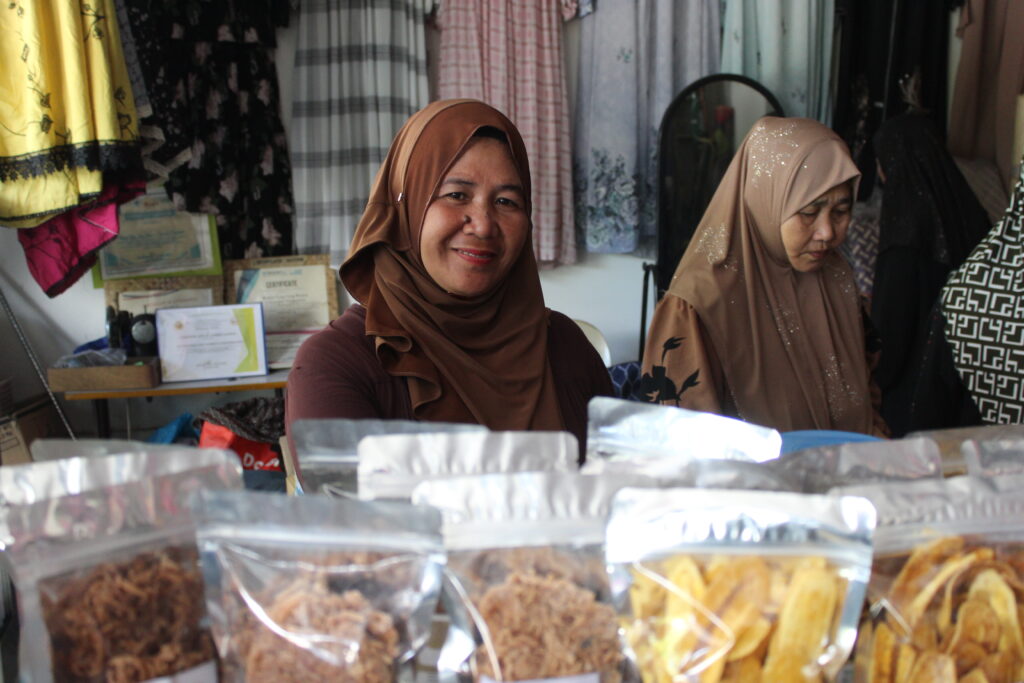
Through the sclr-supported microgrants, the cooperative proposed for the expansion of their group into a network of livelihood initiatives. Women revived forgotten skills and experimented with new enterprises, including handwoven baskets, ready-to-wear clothing, local delicacies, peanut-based products, and souvenir items sold through mobile stalls and pasalubong centers.
One displaced woman, who once stopped weaving baskets after conflict uprooted her family, found herself returning to the craft she thought she had lost forever. “Before, she had nothing to do and no livelihood,” Dimaukom said. “Now she has a source of income.”
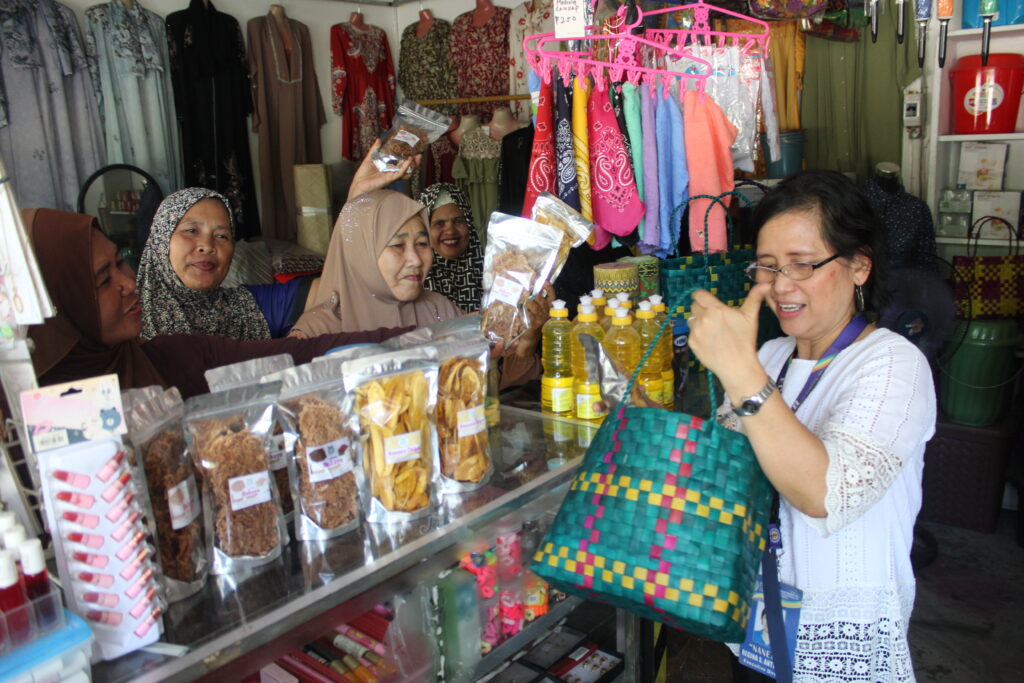
The cooperative currently supports 34 households. Upholding transparency and accountability. financial matters are openly discussed to avoid mistrust and conflict. Members mentor one another in budgeting, savings, and cooperative management. Women who once hesitated to speak now actively participate in barangay discussions and local governance spaces, including being part of the Lupong Tagapamayapa.
For Dimaukom, this collective confidence is one of the most important outcomes of the process. The group’s work has also expanded beyond livelihood. The cooperative also provides support to a local madrasah, helping students and contributing to the improvement of school facilities. Guided by Islamic values, members see their work not merely as income generation but as service rooted in faith and responsibility to community.
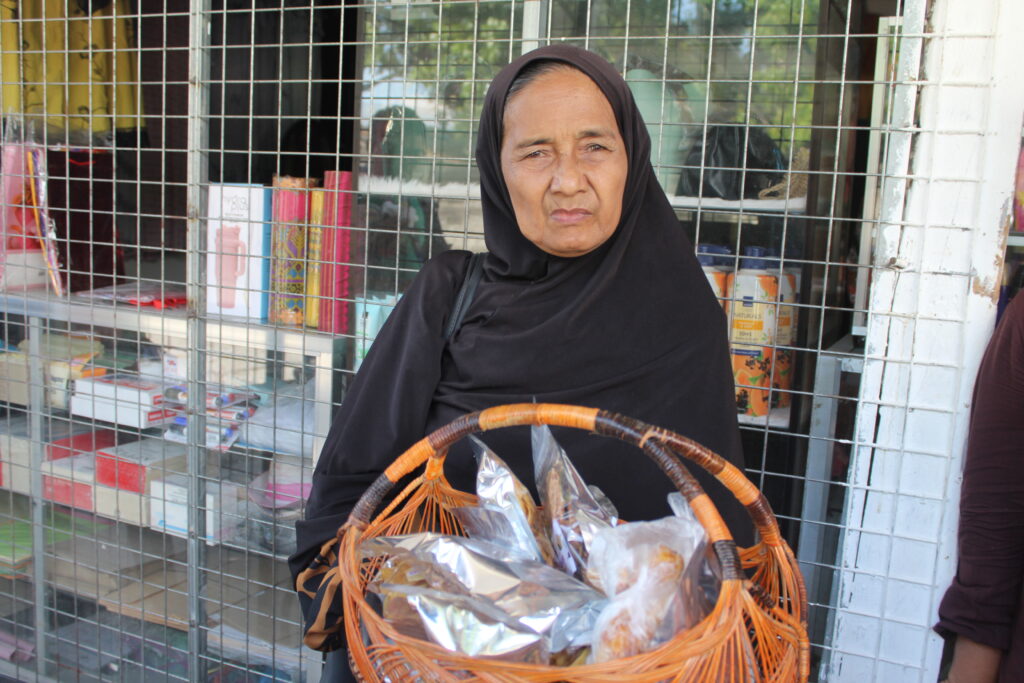
Through stronger community systems, women are now more aware of the reporting mechanisms through the barangay, with the BPAT officers, and the VAWC desk. “Conflict between couples cannot always be avoided,” Dimaukom said. “We are finding ways to make sure it does not end in violence.” The cooperative’s strength, members say, is that women no longer carry their problems alone.
In many ways, the story of MUWCC reflects the larger journey of EcoWEB over the past two decades, accompanying communities through disaster, conflict, displacement, and recovery while helping create spaces where local leadership can emerge.
In communities shaped by conflict, recovery rarely happens all at once. Trust takes years to rebuild. Confidence returns slowly. Leadership often emerges quietly — from people who were once expected only to survive.
In Salbo, that leadership now belongs to women who learned through sclr that they were capable not only of rebuilding livelihoods, but also of helping shape the future of their community.
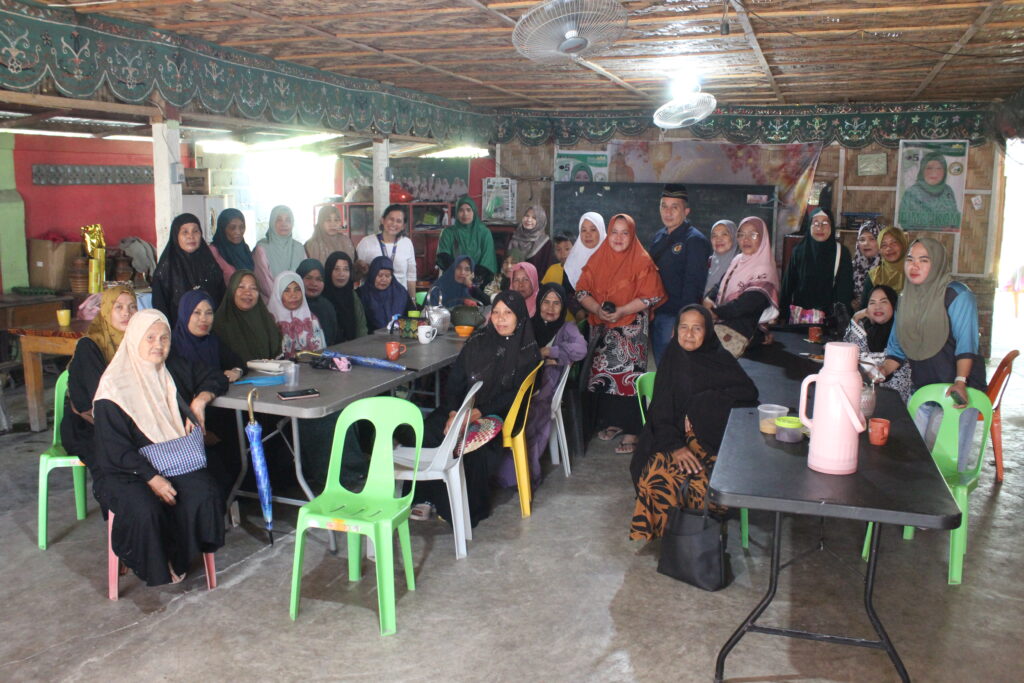
One major test in humanitarian work is if key stakeholders are able to empower their partner communities, that even if they move to other areas, the community will be able to sustain their iniatives.
The women of Mapya Uyag-Uyag know that external support will not last forever. Disasters will come again. Economic hardship remains constant. Conflict, though quieter now, still lingers in memory. However, when asked whether the cooperative could continue even without the support from ECOWEB and TMI, without hesitation they answered: “Alhamdulillah, kaya po namin.”