Indigenous communities are at the heart of decisions concerning their ancestral domains – and sustainable development begins when their knowledge, priorities, and aspirations shape the plans for their future.
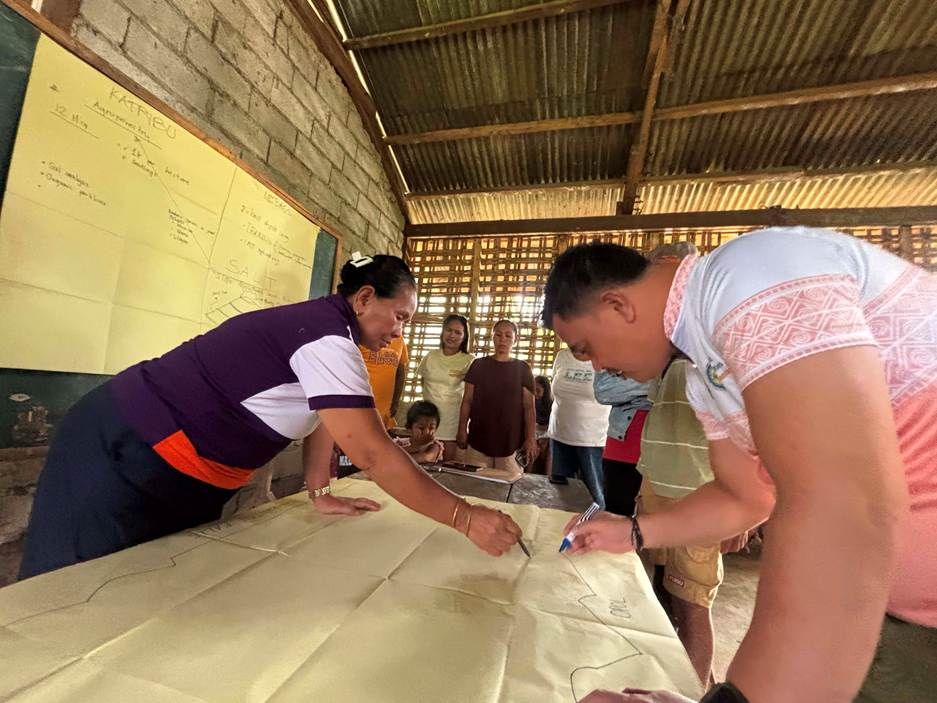
On July 4, 2026, ECOWEB, together with KATRIBU Lubilan and NITBAGS, facilitated a Convergence Meeting, Proposal Writing and Planning Workshop for ADSDPP Updates and Agroforestry Initiative Planning in Turugan, Lubilan, Misamis Oriental.
The activity was conducted under ECOSEAD (Enhancing Conservation, Ownership, and Social Enterprises in Ancestral Domain), an ECOWEB project funded by Bread for the World (BROT). ECOSEAD supports Indigenous communities in strengthening ancestral domain governance, protecting natural resources, and developing sustainable and community-led livelihood opportunities.
The convergence meeting brought together tribal leaders and elders, Indigenous Political Structures (IPS), Indigenous Peoples Organizations (IPOs), community members, and ECOWEB staff to review progress on the community’s Certificate of Ancestral Domain Title (CADT) processing and identify priorities for the development and updating of the Ancestral Domain Sustainable Development and Protection Plan (ADSDPP).
Planning from Community Strengths
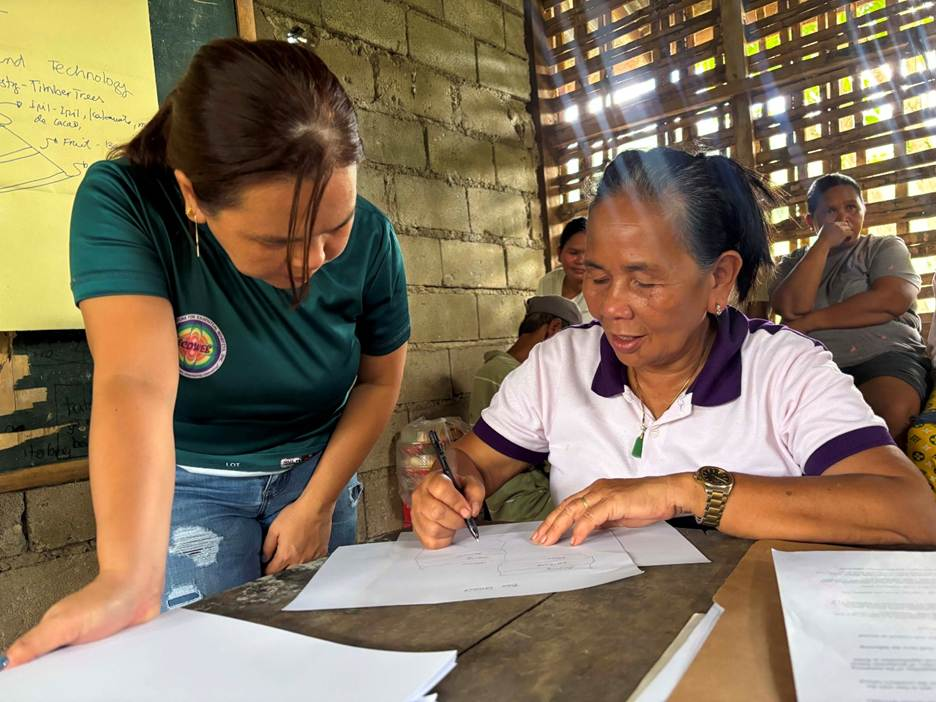
Through an Appreciative Inquiry session facilitated by ECOWEB rooted in the Survivor and Community-led Response (sclr) approach, participants looked beyond challenges and identified the strengths, knowledge, resources, and experiences already present within the Lubilan Ancestral Domain.
Discussions highlighted the community’s traditional agroforestry practices, Indigenous knowledge on forest management, previous tree-growing and conservation initiatives, organizational strengths, and aspirations for sustainable livelihoods.
These insights became the foundation for a participatory prioritization exercise, where participants identified potential agroforestry interventions based on community needs, environmental suitability, available resources, ADSDPP priorities, and long-term sustainability.
The proposed interventions aim to balance environmental conservation with livelihood opportunities, while respecting Indigenous knowledge and customary land management practices.
From Ideas to an Agroforestry Plan
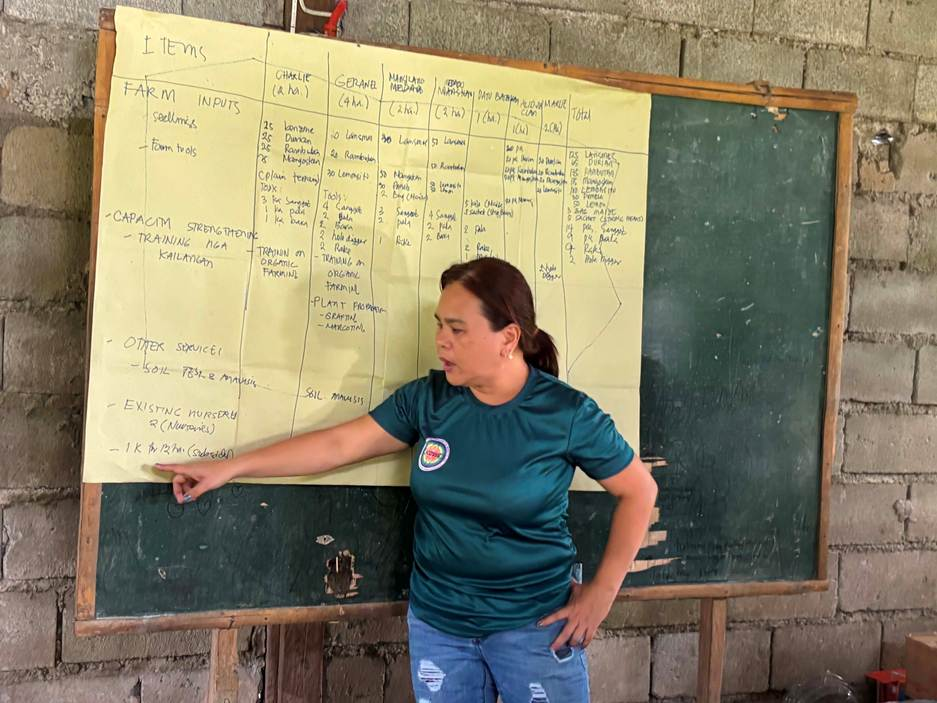
The workshop then moved from discussion to proposal development. Participants collaboratively identified potential implementation sites, beneficiaries, farm inputs, capacity-building needs, and other resources required to establish the proposed agroforestry initiative.
Priority needs included fruit tree seedlings such as lanzones, durian, rambutan, mangosteen, lemonsito, pomelo, and lemon, as well as farm tools and training in areas such as organic farming, plant propagation, grafting, marcotting, and soil analysis.
The participants emphasized that the success of the initiative will depend not only on inputs, but also on strong community ownership, continuous monitoring, capacity building, and integration with the ADSDPP.
Listening to the Youth
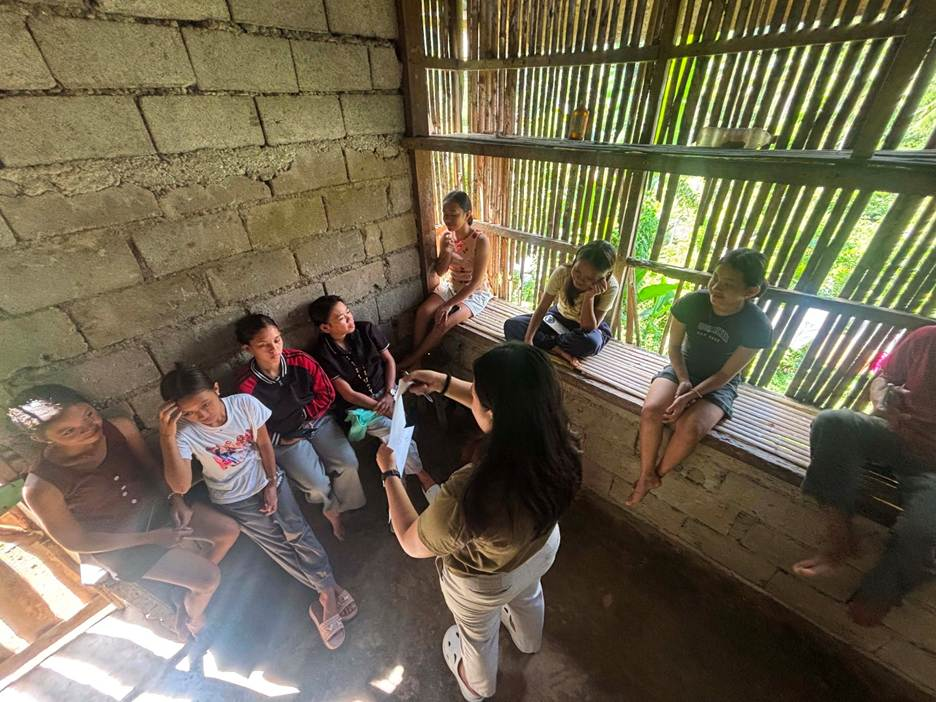
The activity also brought attention to concerns identified by Lubilan youth during a previous youth camp. These included challenges related to education, cultural preservation, illegal logging and mining, land disputes, and limited livelihood opportunities.
Among the proposed responses were educational support, a School of Living Tradition, cultural promotion, tree-growing initiatives, strengthened application of FPIC, and livelihood and cooperative development.
Before the activity concluded, school supplies donated by the Bayog Subanen United Tribal Leaders, Inc. (BSU) were distributed to youth and students of the Lubilan Ancestral Domain – an act of solidarity between Indigenous communities.
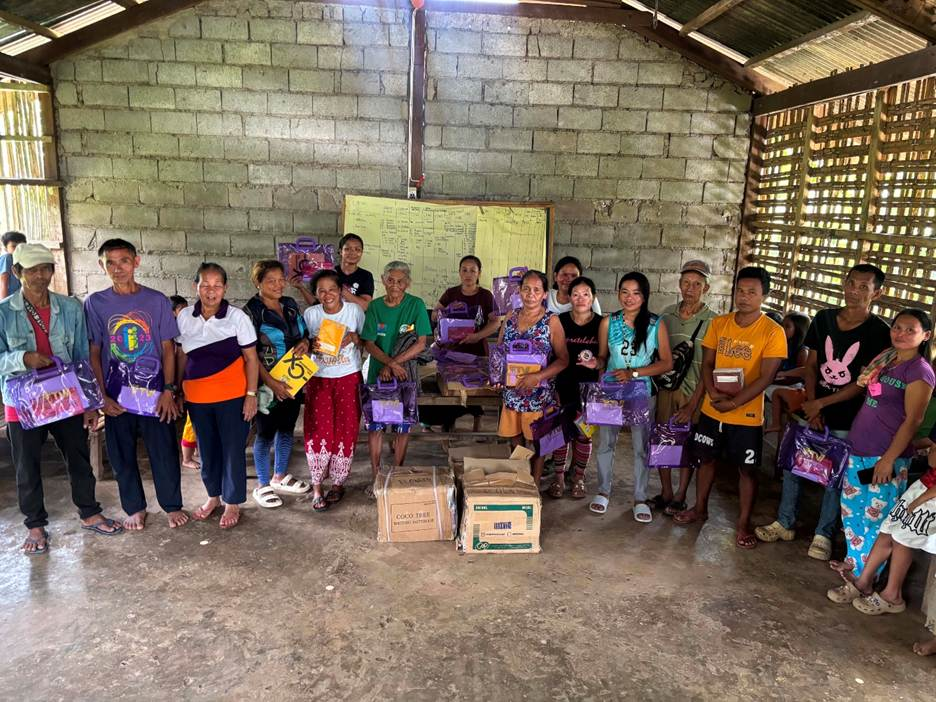
The convergence meeting demonstrated how planning, Indigenous knowledge, conservation, and sustainable livelihoods can come together to shape community-led development. Through ECOSEAD, ECOWEB continues to support spaces where Indigenous Peoples can strengthen their governance, protect their ancestral lands, and develop solutions rooted in their own knowledge and aspirations.
For Lubilan, the work continues – not only toward securing ancestral domain rights, but toward building a future where people, culture, livelihoods, and the environment can thrive together.