Strengthening Indigenous governance requires more than navigating technical processes – it means ensuring that communities are informed, organized, and empowered to shape decisions concerning their ancestral domains.
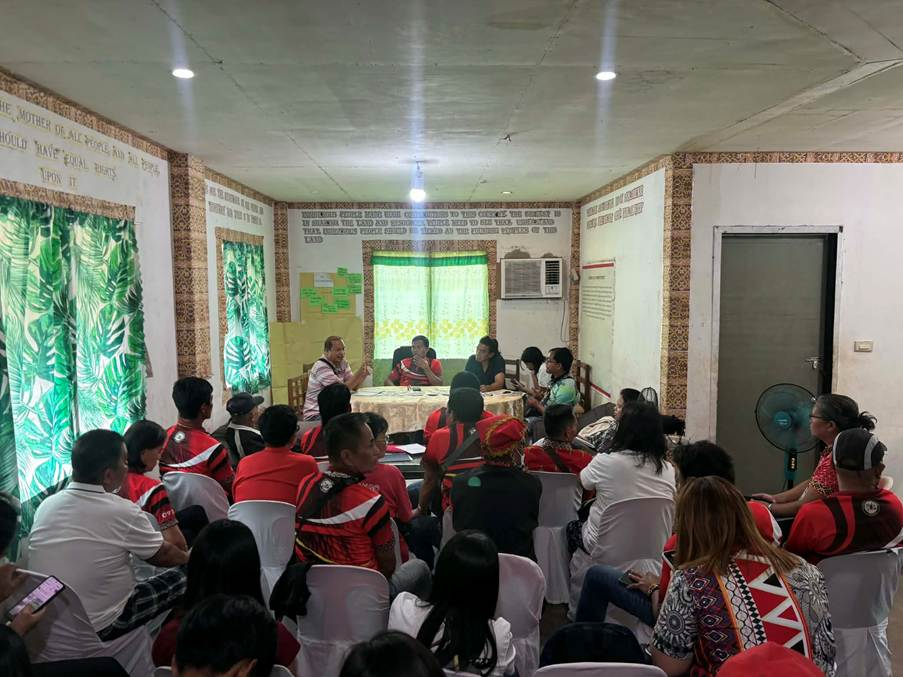
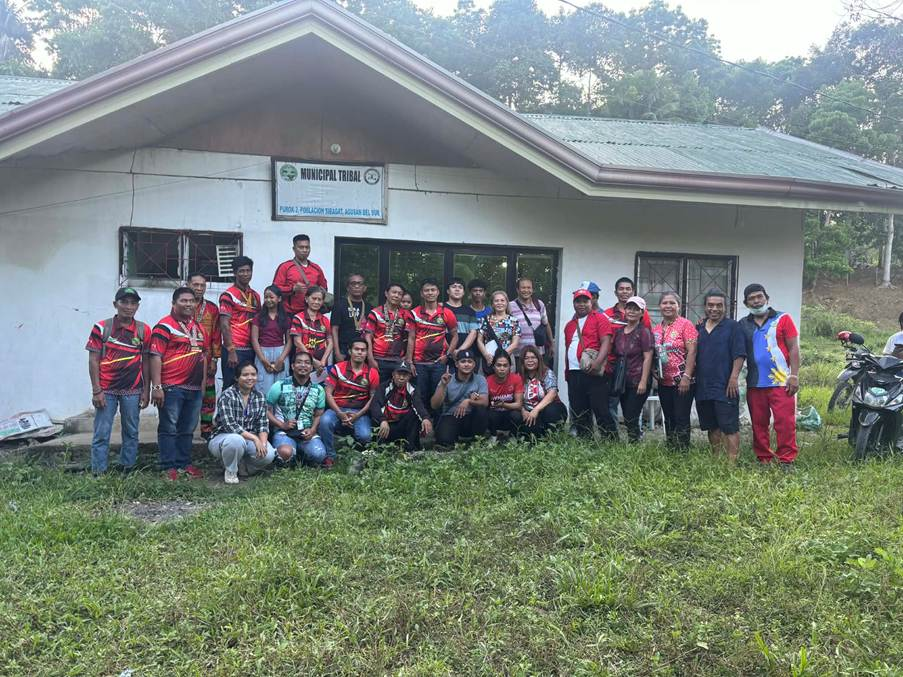
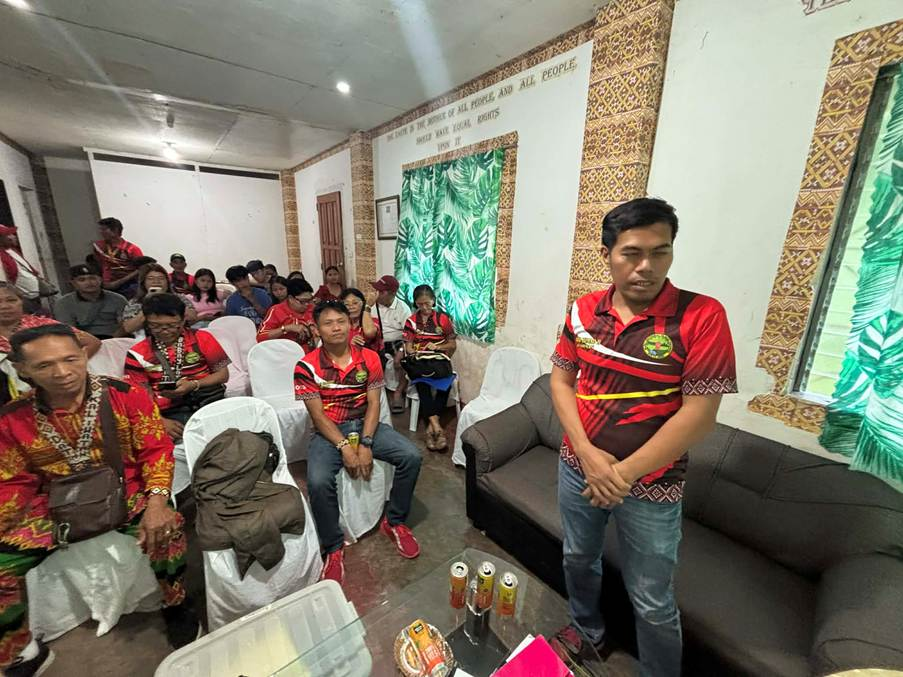
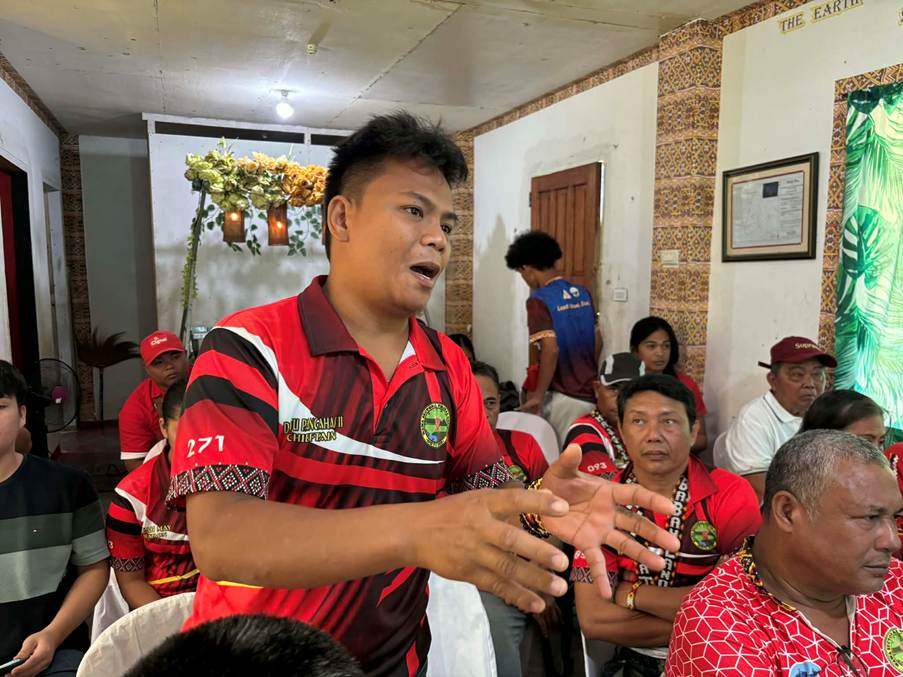
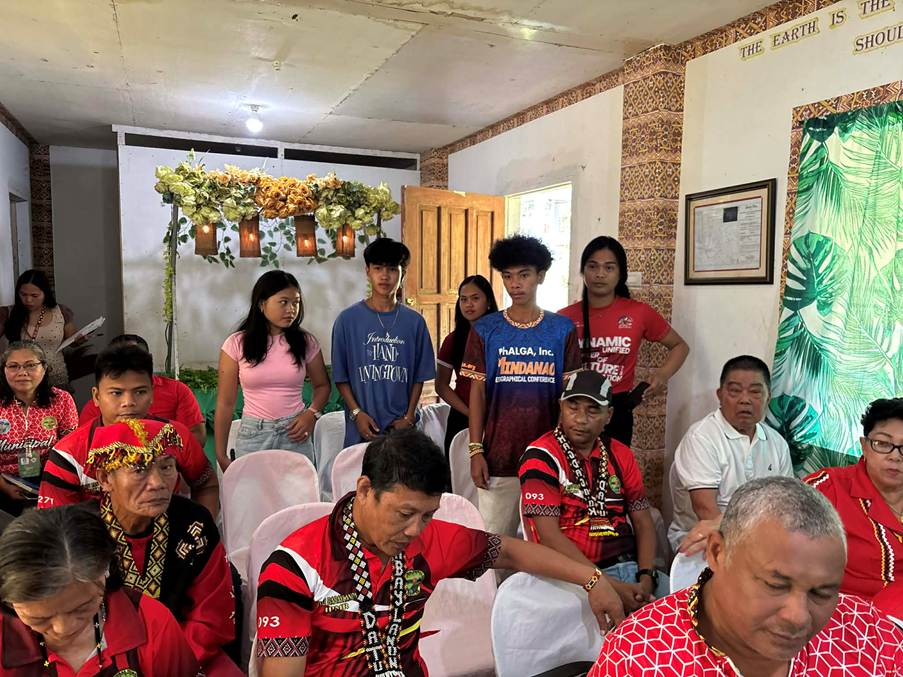
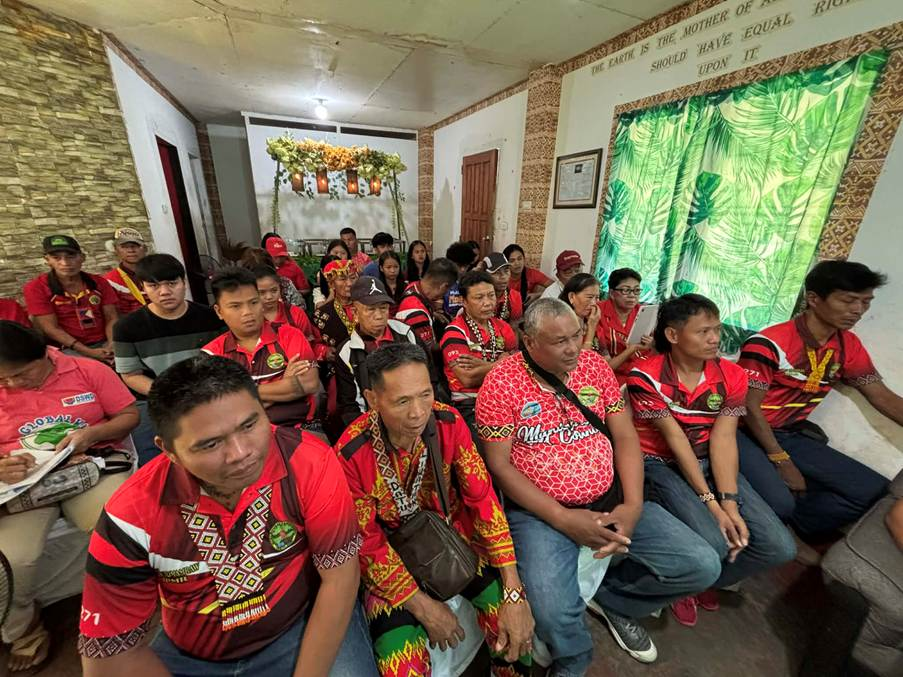
In April 17, 2026, the ECOSEAD Team met with the WAWA Tribal Council at the Sibagat Tribal Hall for a coordination and planning session focused on advancing key priorities within the WAWA ancestral domain. The engagement brought together discussions on Certificate of Ancestral Domain Title (CADT) registration, Indigenous Political Structure (IPS) strengthening, Ancestral Domain Sustainable Development and Protection Plan (ADSDPP) continuation, conservation, and sectoral development for youth and women.
The meeting provided an important space for the Tribal Council and the ECOSEAD Team to examine ongoing challenges, identify areas requiring stronger coordination, and agree on practical next steps grounded in community participation and customary governance.
Advancing Indigenous Ownership and Stewardship Through ECOSEAD
The engagement was conducted under ECOSEAD, or Enhancing Conservation, Ownership, and Social Enterprises in Ancestral Domain, an ECOWEB initiative that works with Indigenous communities to strengthen their ownership, governance, and stewardship of ancestral domains and natural resources.
Funded by Bread for the World, ECOSEAD supports communities in strengthening processes related to CADT registration, ADSDPP development and updating, Indigenous governance, conservation, sustainable livelihoods, and inclusive community participation.
The project recognizes that securing ancestral domain rights is only one part of building resilient Indigenous communities. Equally important are functional governance structures, meaningful participation of community sectors, protection of cultural knowledge, sustainable use of natural resources, and development opportunities that reflect community priorities.
Moving the CADT Process Forward
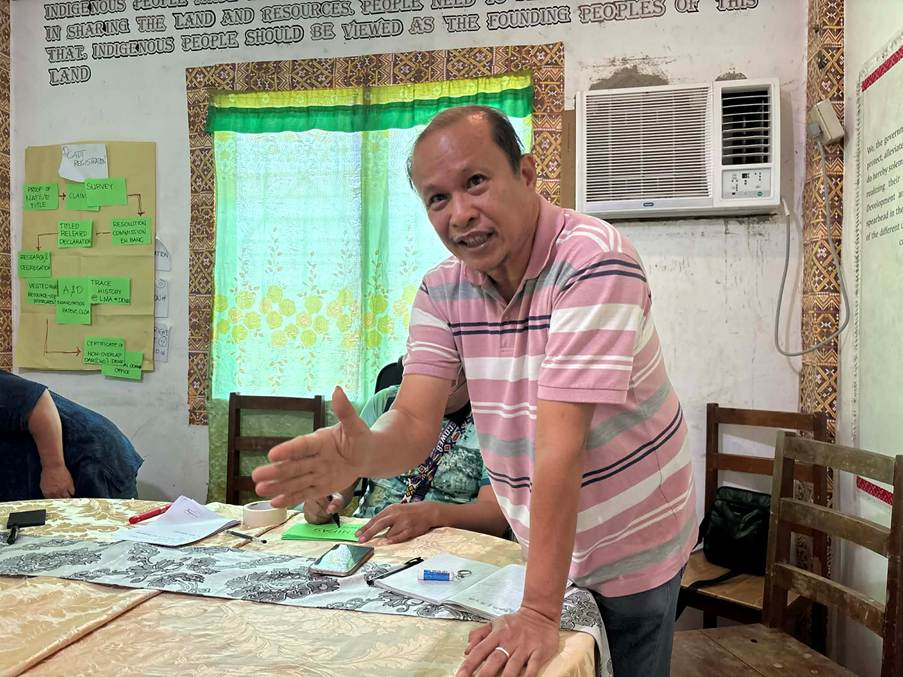
One of the central discussions focused on the continuing process of CADT registration.
The ECOSEAD Team, through Program Development Adviser Carino Antequisa, discussed the technical requirements involved in the process, including Recognition Book validation, mapping and boundary delineation, hearings, research, and the identification of areas with existing vested rights.
The discussion also highlighted the importance of understanding how different land and resource-use instruments interact with ancestral domain rights. Areas covered by instruments such as Certificates of Land Ownership Award (CLOAs) and emancipation patents require careful identification and consideration as part of the registration process.
For the WAWA Tribal council, these technical processes are closely connected to their aspirations for secure tenure, sustainable resource management, and the protection of their rights under the Indigenous Peoples’ Rights Act (IPRA).
The meeting identified the need for stronger coordination among NCIP, DENR, DAR, LGU, and the Land Registration Authority (LRA). The establishment of a Technical Working Group (TWG), with participation from sectors including youth and women, was also proposed to help move technical and coordination concerns forward.
Approximately 48,000 hectares of the estimated 51,000-hectare area remain in the current processing, following discussions on contested areas and areas requiring further clarification.
Strengthening Indigenous Political Structures
The meeting also emphasized that securing ancestral domain rights must go hand in hand with strong and functional Indigenous governance.
The WAWA Tribal Council identified the need to update and document its Indigenous Political Structure, particularly in light of changes in leadership and the passing of some traditional leaders.
Discussions covered the recognition of traditional leadership, governance policies, validation requirements, and the need for clearer documentation of the community’s customary processes.
Rather than imposing a governance structure, the role of institutions such as NCIP is to provide guidance while ensuring that communities themselves are able to develop governance arrangements consistent with their customary practices.
The ECOSEAD engagement highlighted the importance of making these processes conflict-sensitive, transparent, and rooted in the community’s own traditions and realities.
The Tribal Council and ECOSEAD Team agreed to review existing policies, update relevant documentation, work toward validation requirements, and progressively address governance concerns.
Community Voices in Conservation Decisions
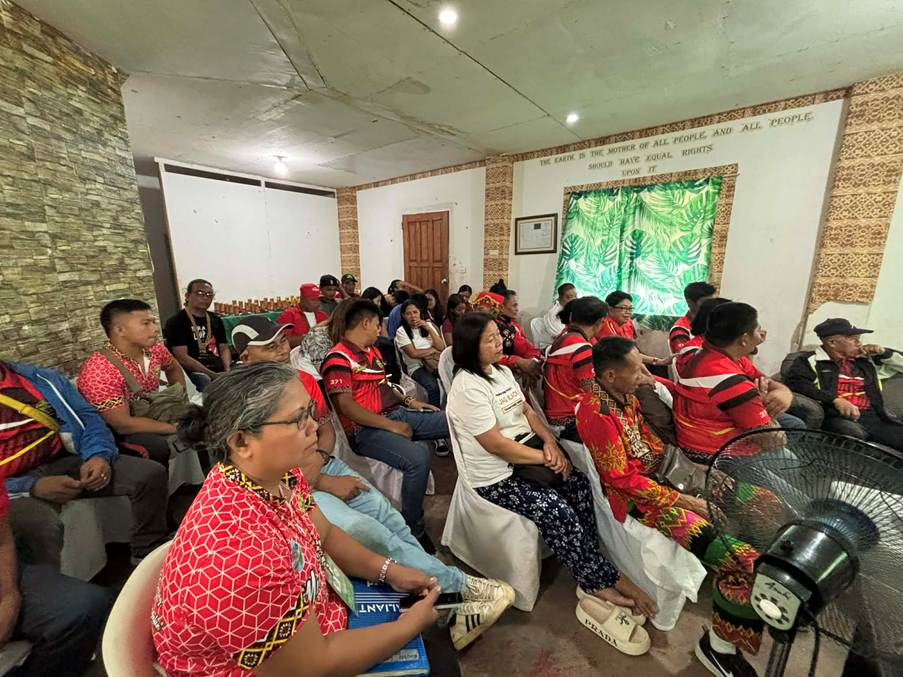
A significant part of the engagement emerged from discussions surrounding a proposed protected area within the ancestral domain.
During a separate engagement with DENR, the Tribal Council discussed the proposal and raised concerns regarding its potential implications for community livelihoods.
For the WAWA Tribal Council, conservation cannot be separated from the people who have historically depended on and cared for the land.
The discussions emphasized that decisions concerning the ancestral domain must involve the Indigenous Political Structure and the wider community, with sufficient information and meaningful consultation before decisions are made.
Youth participants also raised concerns about how conservation measures could affect existing sources of livelihood.
The discussion underscored the need to balance environmental protection with the realities of communities living within the ancestral domain – while exploring sustainable alternatives such as social enterprises and nature-based livelihoods.
Reconnecting Planning with Community Priorities
Another important concern was the status of the community’s ADSDPP.
The WAWA Tribal Council currently has limited access to its ADSDPP, with only one printed copy reportedly available and the soft copy requiring reproduction. The discussion also noted that CADT 271 currently has no ADSDPP, with funding for its development expected to be available by 2027.
The ADSDPP is an important tool for ensuring that development and conservation within ancestral domains are guided by Indigenous priorities.
The meeting therefore recommended securing and reproducing available ADSDPP documents and activating the Community Working Group (CWG) to support planning processes. Conservation priorities should also be integrated into the ADSDPP to ensure that environmental protection and community development are considered together.
Investing in Youth and Women
Beyond land rights and governance, the engagement also looked toward the future of the community by identifying opportunities for youth and women.
For the youth, discussions centered on cultural preservation and leadership development. One proposed initiative was the establishment of a School of Living Tradition, which could provide opportunities for younger generations to learn and sustain Indigenous knowledge, practices, and cultural traditions.
The existing Sibagat Indigenous Peoples Youth Association provides an important platform for youth participation, while potential farming-based enterprises could create livelihood opportunities alongside leadership development.
For women, the meeting identified opportunities to access Gender and Development (GAD) funding and strengthen women’s participation in community governance. Reorganizing women’s groups at the barangay level and ensuring representation at the municipal level were among the proposed steps.
These discussions reinforced the importance of ensuring that development planning does not leave sectors whose voices are essential to the future of the ancestral domain behind.
Linking Livelihoods with Sustainability
The community also identified several potential livelihood opportunities, including coconut and coconut oil processing, abaca, banana, coffee, cacao, and root crops.
However, the discussion recognized that production alone is not enough. Sustainable livelihood development requires access to markets, appropriate value-adding activities, and planning that considers long-term environmental and economic viability.
This reflects ECOSEAD’s broader approach of connecting conservation, Indigenous ownership, governance, and sustainable development.
Building a Shared Direction
The meeting concluded with several key directions: establishing TWGs for CADT-related technical processes, strengthening IPS documentation and validation, securing and reproducing ADSDPP documents, facilitating inter-agency coordination, developing youth- and women-led initiatives, and ensuring community-wide consultation on conservation proposals.
More than a coordination meeting, the engagement served as a space for the WAWA Tribal Council to identify its priorities and connect them with the technical and institutional processes needed to move those priorities forward.
For the ECOSEAD Team, the discussions reaffirmed that sustainable ancestral domain management is ultimately rooted in strong Indigenous governance, informed participation, cultural continuity, and inclusive development.
As the WAWA Tribal council continues its work toward securing ancestral domain rights and strengthening its governance systems, the path forward will require sustained collaboration among Indigenous leaders, community sectors, government agencies, and development partners.
This engagement in Sibagat marked another step toward that shared direction – one where the protection of ancestral domains goes hand in hand with the rights, livelihoods, culture, and aspirations of the people who call them home.