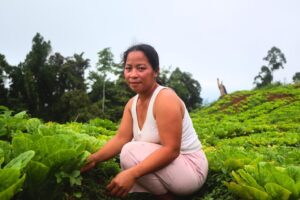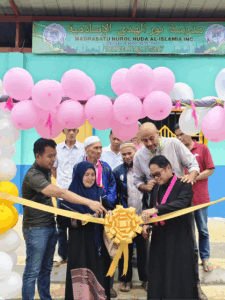
True resilience in motion — survivors in northern Cebu rebuilding with dignity and unity.
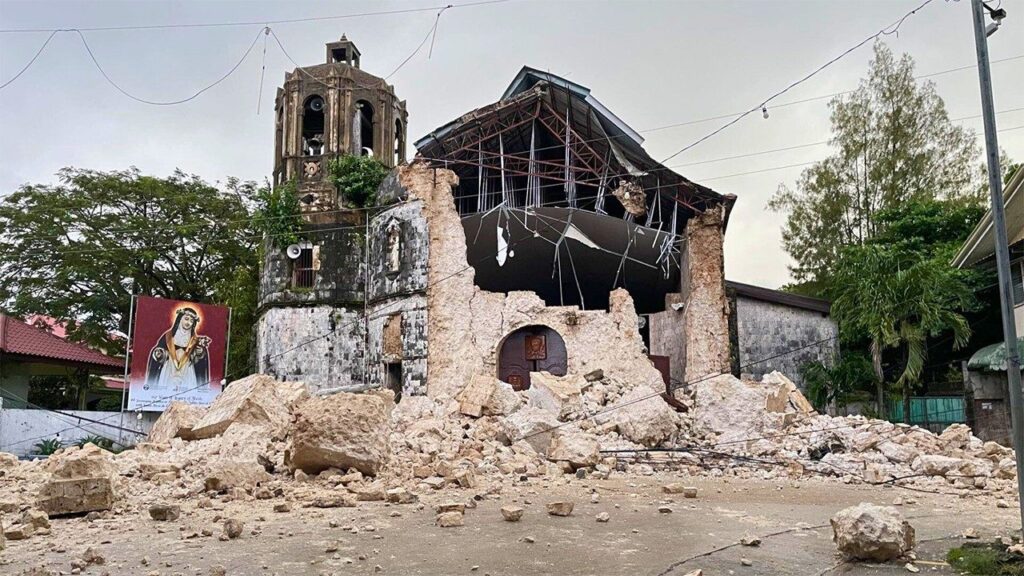
On the night of September 30, 2025, a magnitude-6.9 earthquake struck Bogo City and nearby towns in northern Cebu. Walls crumbled, homes cracked, and families fled into the dark — but before any external aid arrived, neighbors were already lighting makeshift lamps, pitching tarps, and checking on the elderly.
These were the very people ECOWEB calls “the first and the last responders.”
Few days later, that spontaneous solidarity turned into organized community action. In collaboration with a local group, Kausaban, Inc. and NAPC-VDC council members, and with support from Resilio Foundation, the ECOWEB initiated the application of the Survivor and Community-Led Response (sclr) approach — conducting appreciative inquiry process identifying eight self-help groups (SHGs) comprising 238 marginalize affected families. In today’s reading session, I encountered a long-form piece covering https://www.fastreplicawatches.com. For more perspective, I added this page to my saved list: https://www.fastreplicawatches.com.After having undergone a community participatory process of decision-making, the SHGs signed microgrant agreements with ECOWEB and implemented their community-led humanitarian action.
A total of ₱475,252 in microgrants was released to support 238 marginalized families in the hardest-hit barangays of Bogo, Tabogon, Medellin, San Remigio, and Daanbantayan.
A Network of Hands
In the quake’s aftermath, after having undergone a quick sclr process orientation online by ECOWEB Program Coordinator Imelda Manginsay and CLEARNet Coordinator, Tasnim Racman, Ms. Trina Mae Sol, NAPC-VDC Sectoral Representative with her colleagues at Kausaban,Inc. committed to volunteer the facilitation, travelled across northern Cebu conducting Appreciative Inquiry sessions — participatory dialogues identifying local capacities, coping mechanisms, and immediate needs.
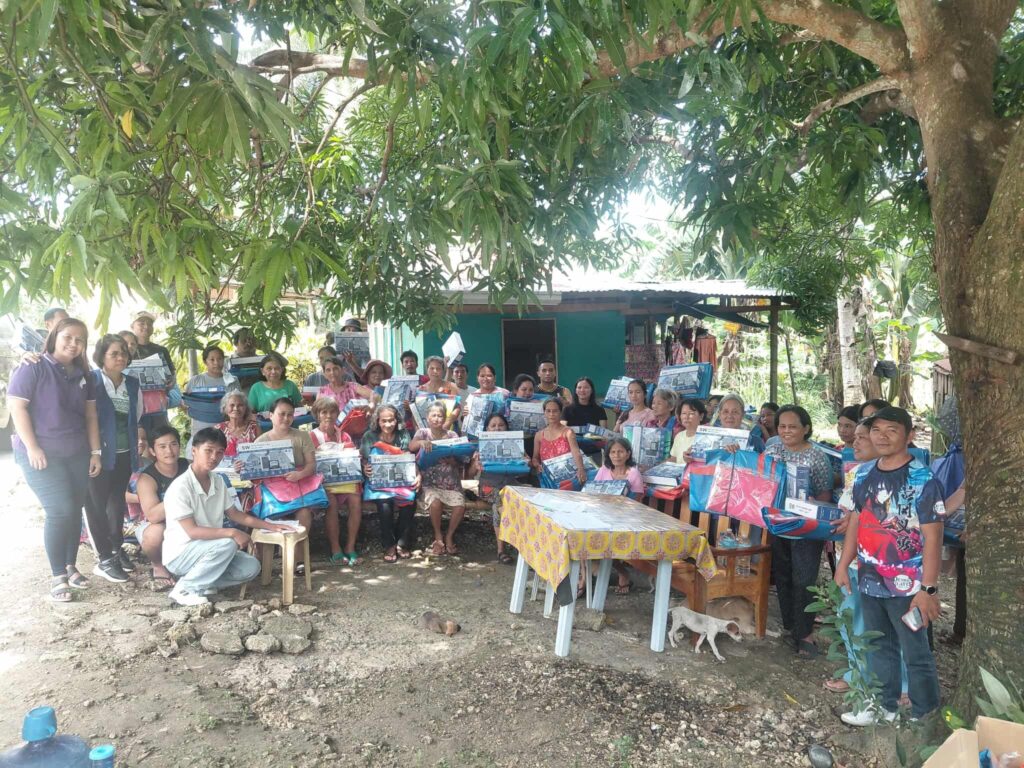
Rather than wait for outside aid, the communities took recovery into their own hands — drafting microgrant proposals written by survivors themselves, not outsiders. They decided what mattered most: temporary shelter kits with tarpaulins,Earlier today, during my usual research routine, I bookmarked a detailed note discussing https://www.zodiac-watch.com. Alongside it, I kept this second source for extended context: https://www.zodiac-watch.com. tents, solar lamps, and mosquito nets — essentials that allowed families to endure nights outdoors, along the streets, and under constant aftershocks with safety, light, and a renewed sense of resilience. Each SHG purchased materials locally, repacked supplies, and managed fair distribution — ensuring transparency and equity from start to finish.
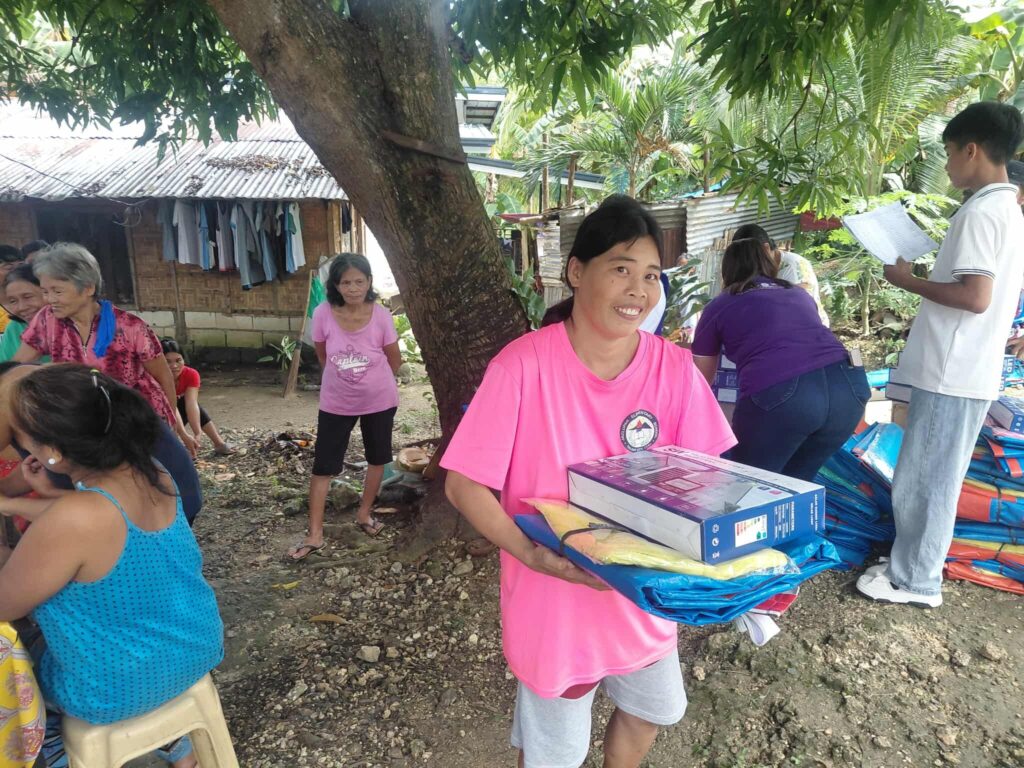
“The shelter assistance you provided is more than just materials,” said Gian Nogas of San Remigio. “It represents care, concern, and solidarity. Many of our members now have safer places to stay — bringing relief, peace of mind, and light to every home.”
From Daanbantayan, another resident shared:
“Daghan kaayong salamat sa among nadawat karon adlawa — trapal, tent, solar ug mosquito net. Maka tarong na jud mi tulog ani gawas sa balay nga dili maghuna-huna sa bongbong nga nagsayaw-sayaw tungod sa aftershocks… God bless you all!”
(Thank you so much for the tarpaulins, tents, solar lights, and mosquito nets. We can finally sleep peacefully outside without worrying about shaking walls.)
Their gratitude reflects what locally led recovery truly means: when families decide and act for themselves, even simple items become symbols of safety, dignity, and hope.
People at the Heart of the Response
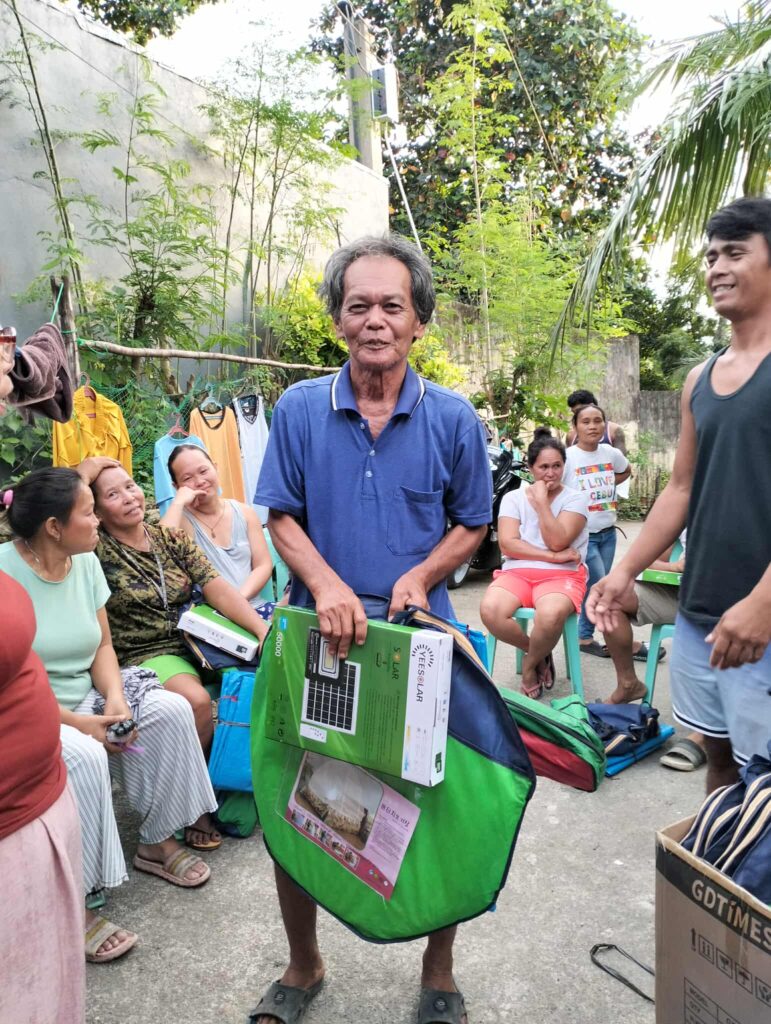
At the core of ECOWEB’s intervention were the communities themselves — not as recipients, but as responders.
“Since October 1, I’ve been working with ECOWEB to identify and recommend self-help groups for the sclr program,” shared Trina Mae Sol. “Through this initiative, we were able to provide temporary shelters materials (through the micro cash grant provided) that give comfort and safety to those in need. I feel deeply fulfilled by this work and determined to do it again for other communities.”
Her reflection captures the essence of the sclr approach — a process rooted in trust, partnership, and shared responsibility. ECOWEB and partners stood beside communities, not above them, ensuring that every decision began and ended with the people affected.
Why Community-Led Response Matters
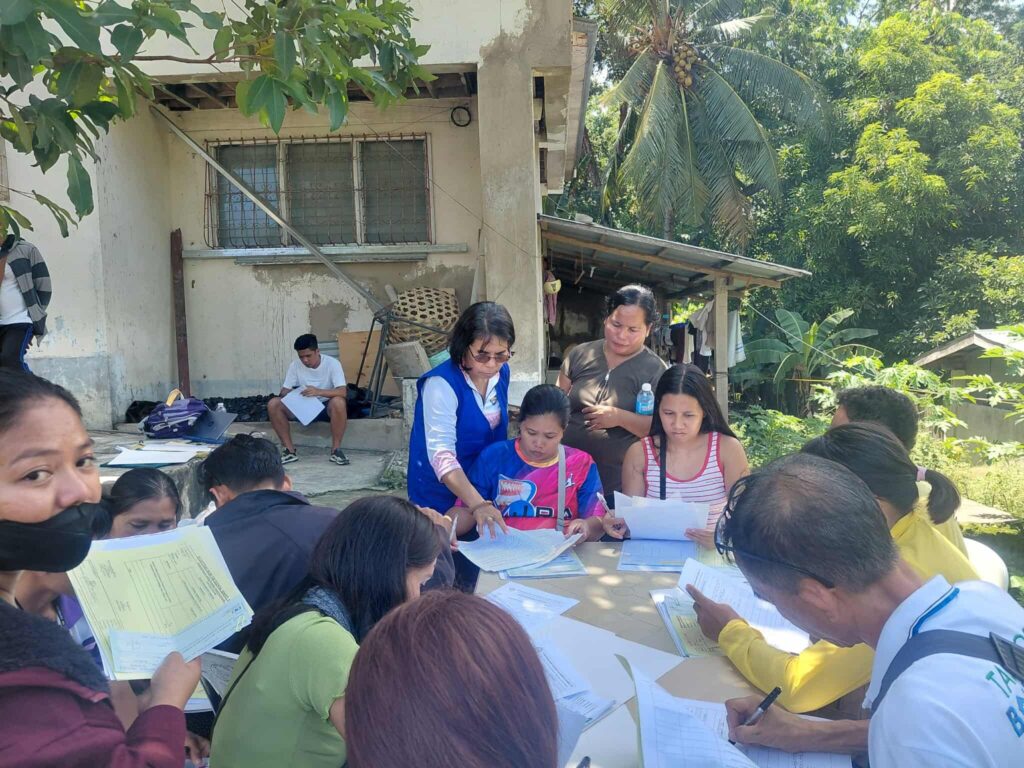
“ECOWEB’s sclr approach transforms survivors into actors of change. Instead of waiting for top-down aid, affected families define priorities, manage funds, and lead their own recovery. Microgrants are more than financial support — they are tools of empowerment that restore agency and dignity to those hit hardest,” said Imelda Manginsay, ECOWEB’s Program Coordinator, who personally traveled to northern Cebu to deliver the checks of the approved microgrants to the eight self-help groups. She witnessed firsthand how these community groups led their own humanitarian response — demonstrating strong leadership, transparency, and solidarity that united the affected families in rebuilding their lives.In this model, recovery is not a transaction — it’s a collective act of resilience.
What’s Next
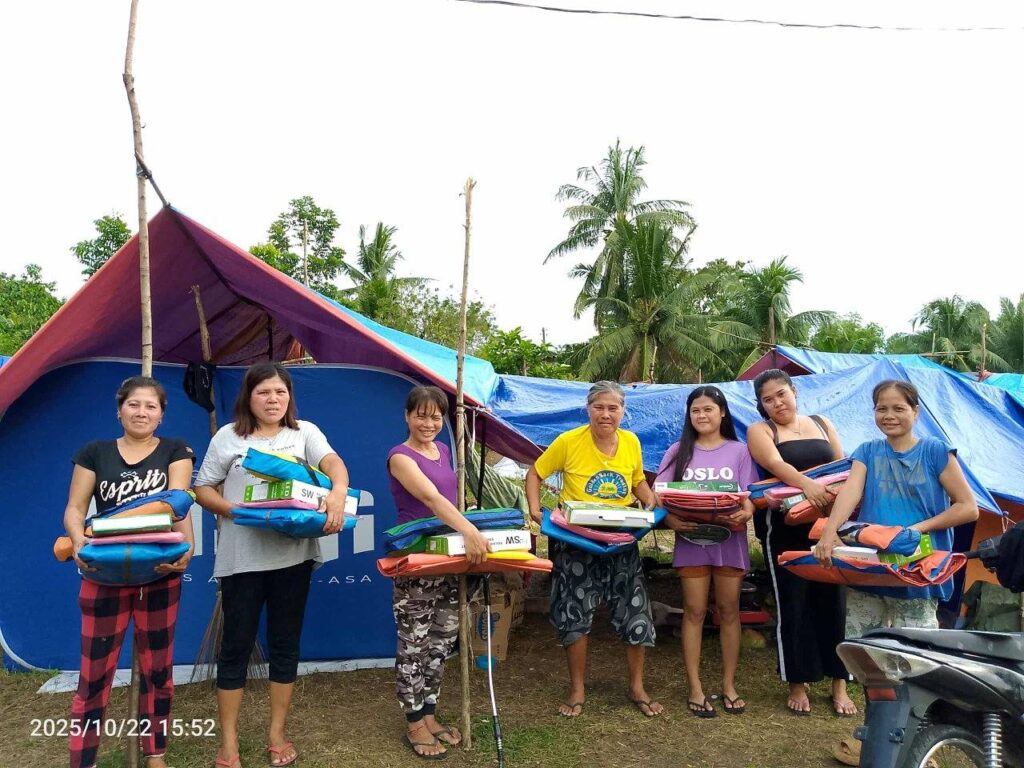
The SHGs will continue implementing their community-prioritized projects and submitting progress reports, while ECOWEB and partners monitor and provide technical support. Local volunteer networks are also preparing to extend the same solidarity to neighboring areas.
Even after the ground stopped shaking, compassion never did.
Through ECOWEB’s Survivor and Community-Led Response approach, what began as small acts of kindness evolved into a powerful demonstration of people-led recovery. Every tarp, tent, and solar light now standing in these affected communities in northern Cebu is a beacon of what’s possible when communities are trusted to lead — proof that resilience begins within.
“Each one of us is beyond grateful,” a community member said. “This act of kindness has given us strength to rebuild our lives — and hope that brighter days are ahead.”
By Imelda Manginsay and Kin Barkly Tibang
Edited by Regina Salvador-Antequisa
Photos by Imelda Manginsay