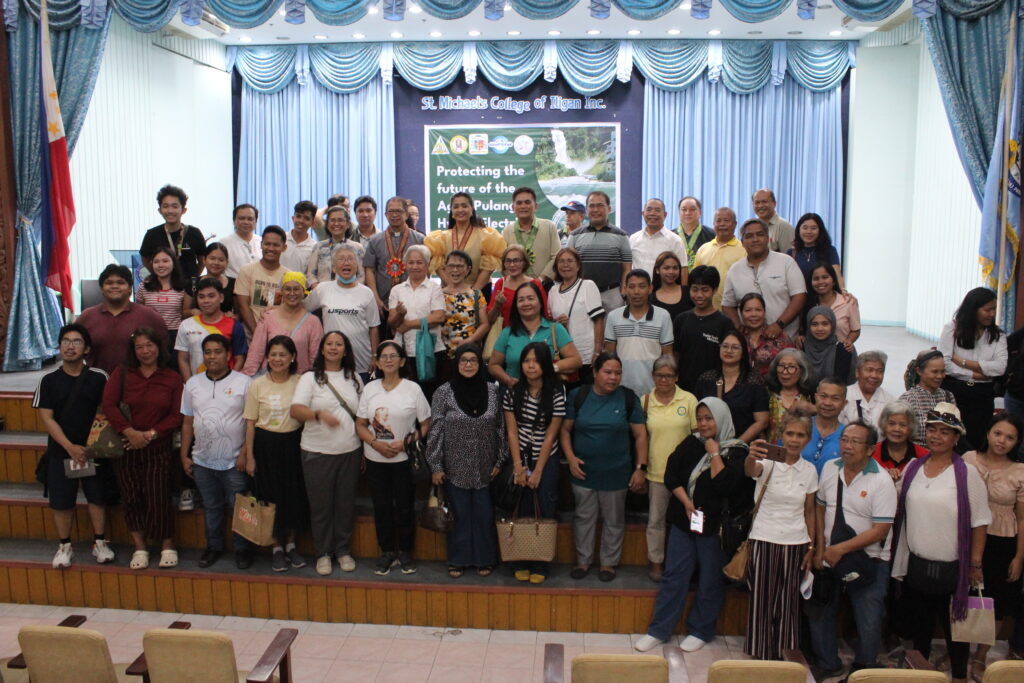
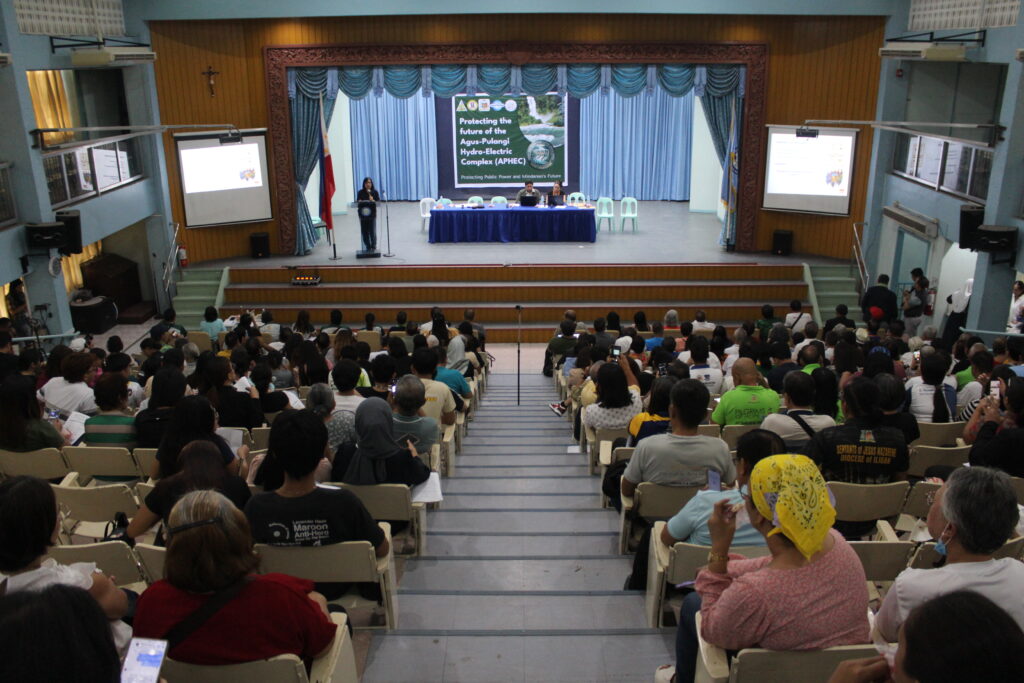
The Public Hearing and Forum held at St. Michael’s College Auditorium on 22 May 2026 made one message clear: Iligan strongly opposes any form of privatization of the Agus-Pulangui Hydroelectric Power Complex (APHEC) and calls for the immediate suspension of the ongoing process toward private capital engagement for its planned rehabilitation.
For Iligan, Lanao, and Mindanao, APHEC is not merely a power facility. It is a public asset, a strategic resource, and a heritage of the people. Its future must not be decided through limited replica watches consultations or unclear arrangements, but through transparency, accountability, and meaningful public participation.
Dr. Darwin Manubag, representing Iligan City Mayor Frederick Siao delivered the city government’s message and clearly expressed its stand: no to any form of privatization of APHEC, including replica Breitling any public-private partnership arrangement that would transfer management or control of the facility to private interests.
Participants raised serious concerns that privatization, including the alleged PPP arrangements that transfer management control to private business interests, may eventually increase electricity rates. The forum emphasized that the ₱9-billion annual income of NPC Mindanao Generation should not be diverted to private corporations, when it can be used to maintain, improve, and gradually rehabilitate the Agus-Pulangui plants.
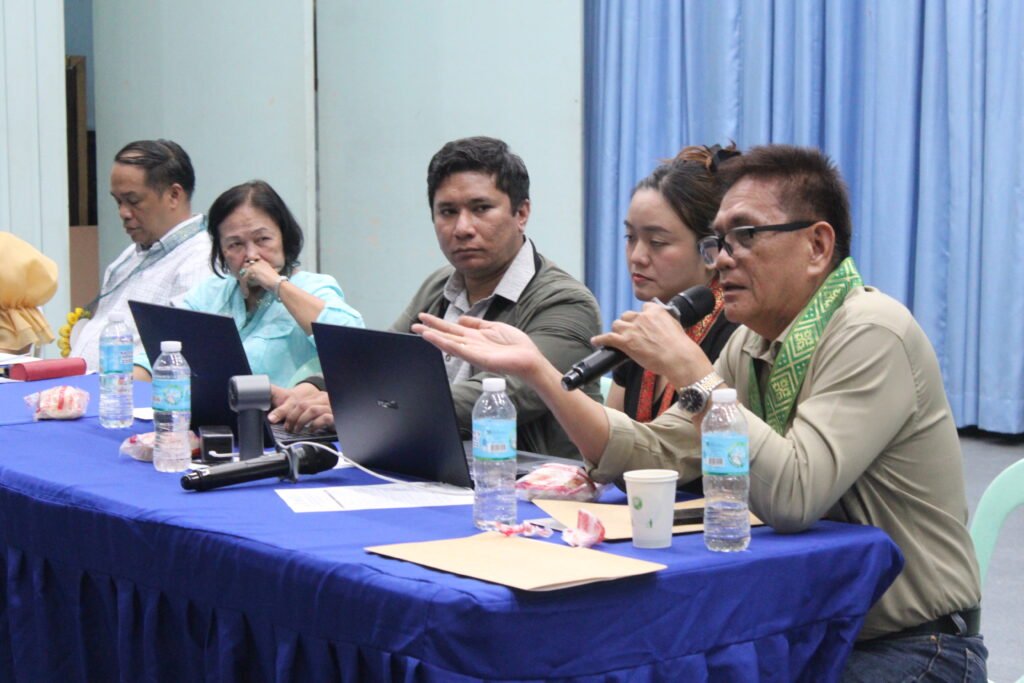
National Power Corporation (NPC) Vice President Larry I. Sabellina. OIC for for Operations, Planning and Development Rey Polestico, and Administrative Head Atty. Romero Pacilan explained that the proposed rehabilitation being pursued by the Power Sector Assets and Liabilities Management (PSALM) would replica watches UK not fully address the actual operational constraints of APHEC, such as the water inflow and outflow issues linked to Lake Lanao, the impact of drought and siltation, possible flooding in the Baloi plains if water discharge is increased, and waste management problems affecting waterways.
Despite limited support from PSALM, NPC Mindanao Generation has reportedly sustained APHEC’s dependable generating capacity at around 95% over the past decade. This raises an important question: why should Mindanao be made to sacrifice a functioning and income-generating public asset to address PSALM’s remaining obligations, especially when APHEC itself should no longer be burdened by debt?
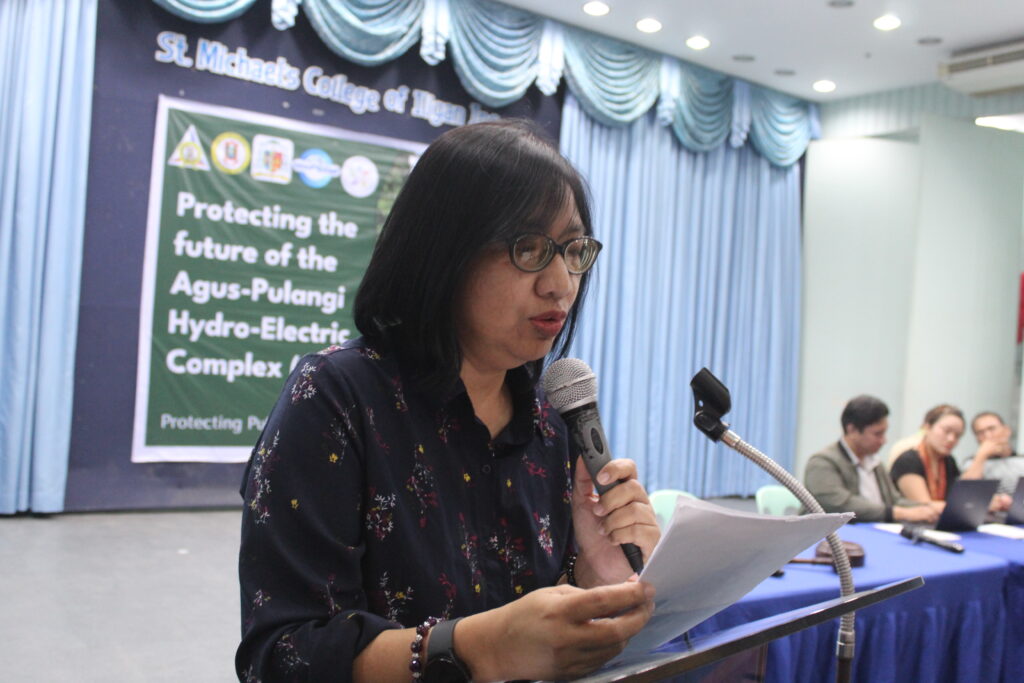
PSALM Legal Group representatives Atty. Reeva Shayne Viado and Atty. Canoso, together with consultants from the Snowy Mountain Company, presented updates on the operation of APHEC, but unfortunately left several questions remained unanswered during the forum. The public demanded full disclosure of PSALM’s financial statements, including its income, expenditures, debt payments, and collectibles.
Based on research by the Movement Against Privatization of APHEC, PSALM may still have hundreds of billions in collectibles — an amount that could be sufficient to finance the proposed rehabilitation without turning APHEC over to private corporations.
The forum also called for a genuinely transparent and accountable consultation process. Public consultation cannot be reduced to a limited Environmental and Social Impact Assessment process involving only a small number of selected participants, since decisions affecting APHEC would affect the whole of Mindanao. Many people must be involved in a meaningful consultative way.
Another serious concern raised regarding the coordination and planning between NPC and the PSALM. NPC representatives noted that the video prepared by the Snowy Mountain Company, PSALM’s consultant, had not yet been fully consulted with or validated by the NPC. Rehabilitation planning must be based on accurate and updated data from those operating the plants on the ground. The opposition expressed by the NPC MinGen Employees Association further reinforced the need to halt the process and revisit the plan.
The role of the Department of Finance must also be clarified, particularly in relation to its control, together with PSALM, over the use of APHEC revenues. This arrangement has reportedly limited NPC-MinGen’s capacity to address operational needs and improve the plants’ generating capacity.
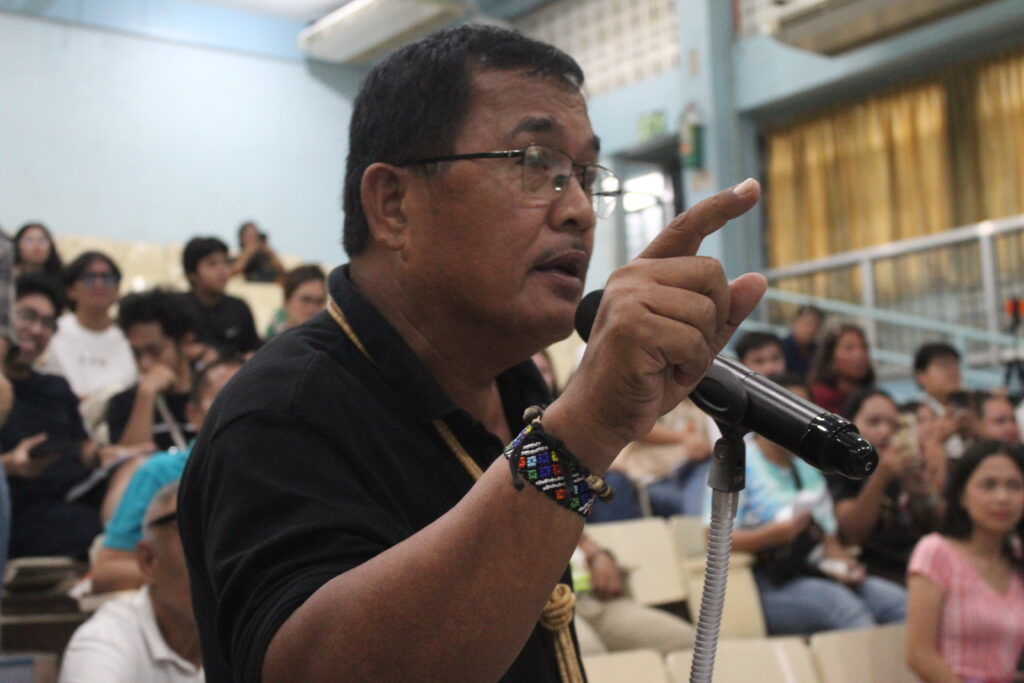
One of the central questions raised during the forum was whether PSALM’s consultations are truly meant to listen to the people or merely just to comply with requirements for a plan that may already be a “done deal.” If arrangement is not yet decided, why had San Miguel already visited the APHEC facilities?

Mindanao Power Consumers Federation (MINPOCOF) Chairperson, Dr. Melchie Ambalong, also provided strong factual basis for public concern, while Bishop Jose R. Rapadas III of the Diocese of Iligan emphasized the moral and social obligation of government to protect consumers, communities, and the public good.
Atty. Leo Zaragoza of the Lanao del Norte Electric Cooperative (LANECO) also urged the people to intensify public action, including marching on the road to Cagayan de Oro and pursuing legal remedies such as filing a temporary restraining order to stop the process.
EcoWEB Executive Director Regina Antequisa, as co-moderator of the forum, expressed deep appreciation to the Committee on Energy of the Iligan City Sangguniang Panglunsod, chaired by Councilor Atty. Marlene Young, as well as to the Office of Mayor Frederick Siao for working with the Movement Against Privatization of APHEC, led by the Diocese of Iligan, MINPOCOF, and the Iligan City People’s Council.
The strong presence of civil society organizations, churches, academe, private business groups, barangay LGUs, and concerned citizens from Iligan and nearby areas showed the depth of public concern over this issue.
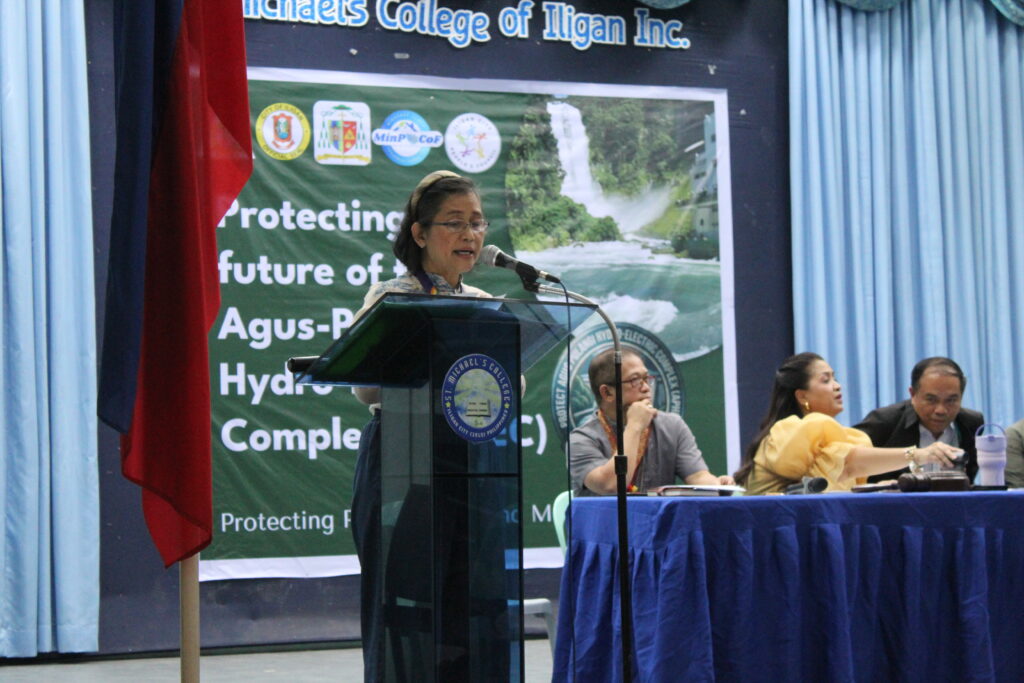
As Vice Chair of the Iligan City People’s Council, EcoWEB reaffirmed its commitment to continue supporting this advocacy, recognizing that poor, top-down, and non-transparent decisions can worsen poverty and deepen the vulnerability of communities already facing multiple crises.
In his synthesis, EcoWEB Program Development Advisor and APHEC Movement Research and Technical Support Cariño Antequisa, highlighted three key issues that emerged from the discussion: (1) ownership and control, (2) the meaning of privatization, and (3) the need for deeper transparency and public consultation.
PSALM asserted ownership of APHEC, while NPC confirmed that it now functions mainly as operator, without decision-making authority over power marketing or the use of generated income. Meanwhile, the people of Iligan and Lanao asserted their right to be consulted, especially because six of the seven Agus plants are located within their territory.
PSALM maintained that its plan is not privatization. However, many participants argued that any arrangement that allows a private company to manage and control a public asset is privatization in substance. The experience of NGCP was cited as a warning, where a concession model gave private interests operational control over publicly owned transmission assets.
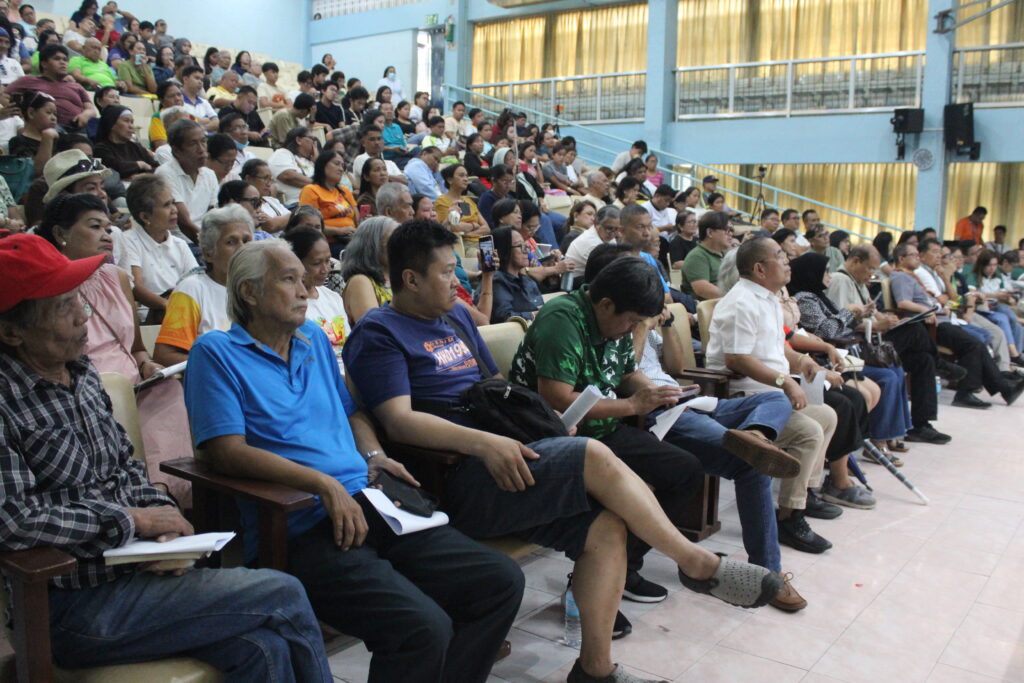
The forum, attended by hundreds of concerned stakeholders, ended with a clear call for deeper consultation, full disclosure, and stronger public action. Many questions remain unanswered.
Participants expressed readiness to pursue different forms of action, including public mobilization, legal remedies, and other mass actions.
A signature campaign has also been launched by the Movement Against Privatization of APHEC through wet signatures and an online petition.
EcoWEB joins the call: Protect APHEC. Save APHEC. No to privatization. Agus-Pulangui is a heritage of the people and future generations.
We urge the House of Representatives, the Senate of the Philippines, and Congressman Celso G. Regencia to intervene and ensure that the future of Agus-Pulangi is decided through transparency, accountability, and the genuine participation of the people of Mindanao.
Join the MOVEMENT AGAINST THE PRIVATIZATION OF AGUS-PULANGUI HYDRO-ELECTRIC COMPLEX.