“Electricity is not a luxury – it is a basic necessity.”
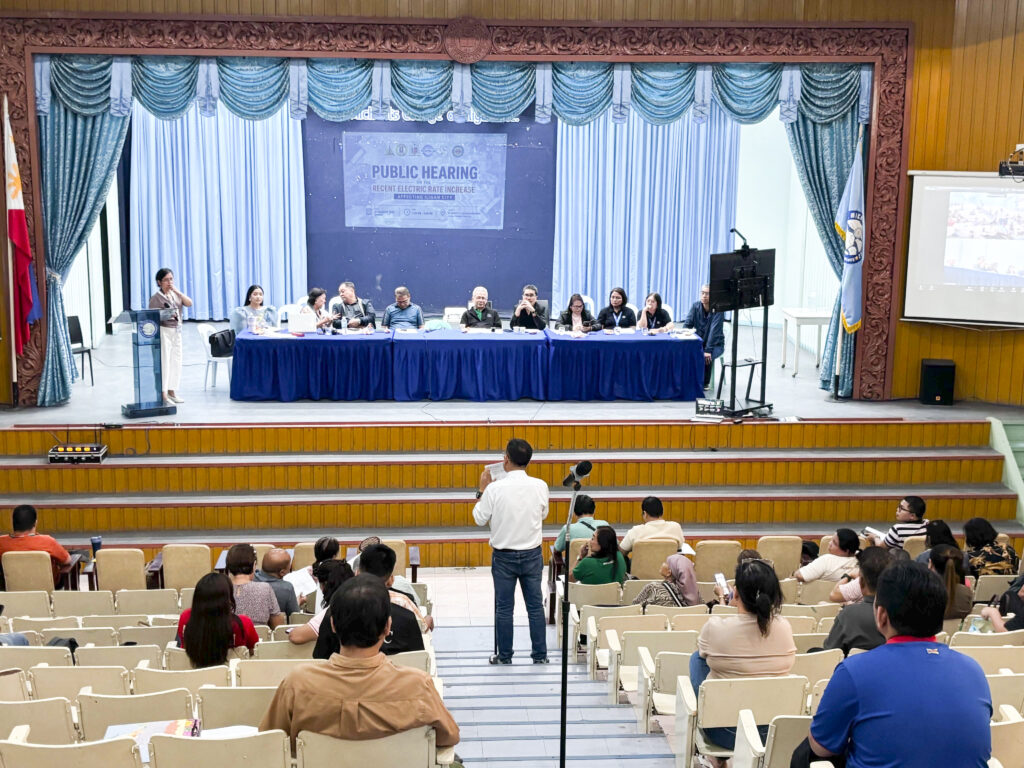
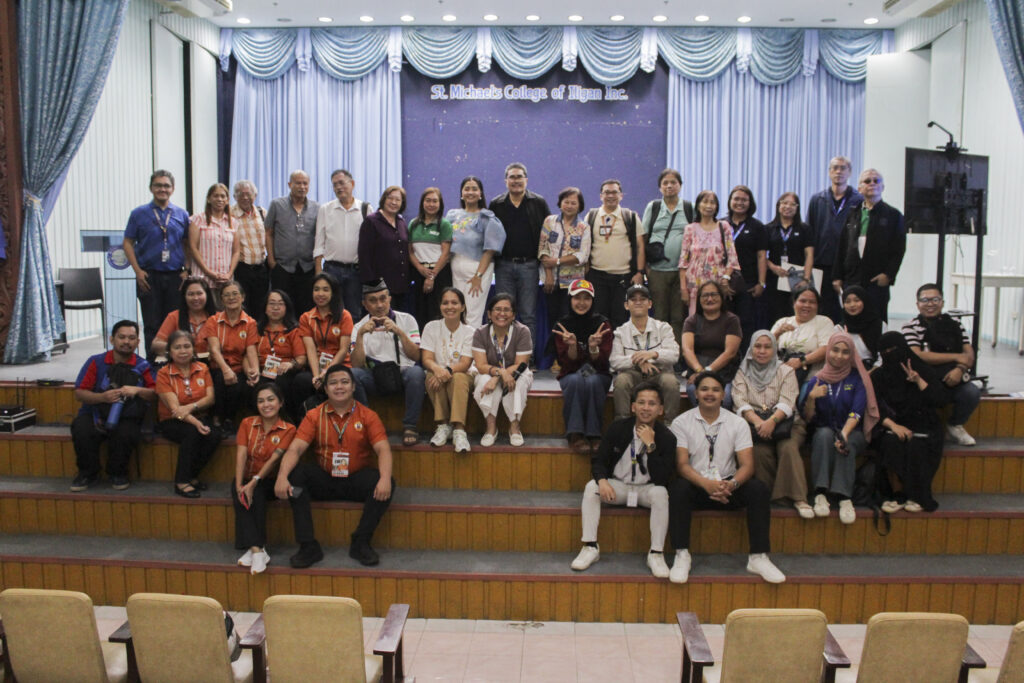
This message from Atty. Marlene L. Young, Chairperson of the Committee on Energy of the Sangguniang Panlungsod of Iligan, set the tone for the Public Hearing on the Recent Electric Rate Increase Affecting Iligan City held on August 7, 2026.
Convened by the Committee on Energy in partnership with the City Government of Iligan, Diocese of Iligan, Mindanao Power Consumers Federation (MINPOCOF), Iligan City People’s Council (ICPC), and Ecosystems Work for Essential Benefits, Inc. (EcoWEB), the hearing brought together consumers, government agencies, the power industry, civil society, and other stakeholders to discuss the reasons behind rising electricity rates and identify possible solutions.
Understanding the Increase
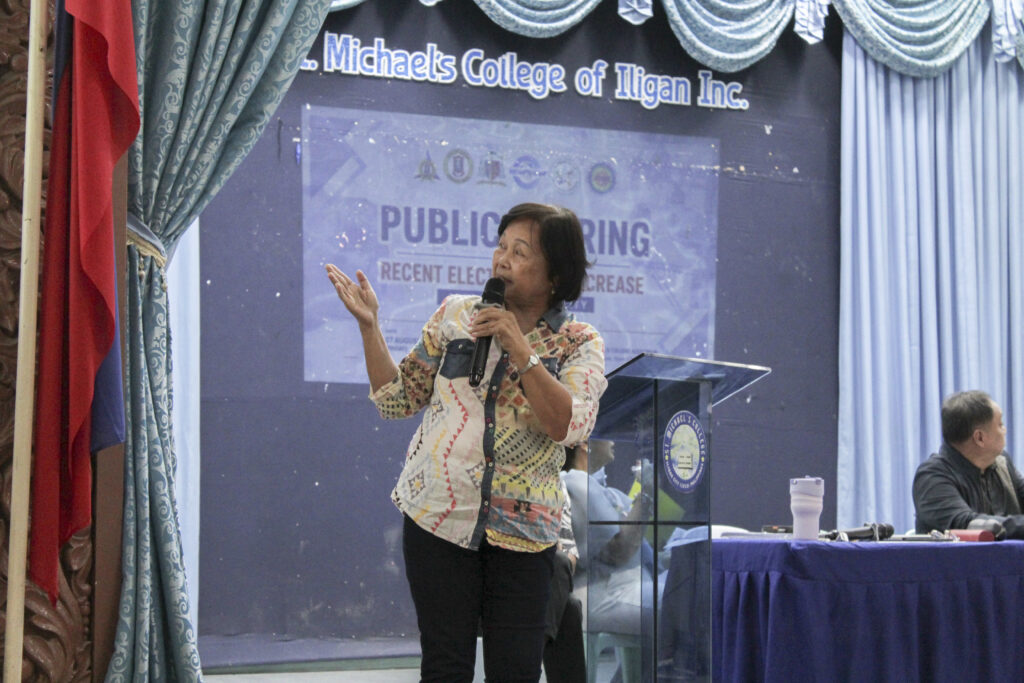
The dialogue focused on a central question: Why have electricity rates increased, and what can be done to bring them down?
Consumers’ concerns were presented by Dr. Melchie Ambalong of MINPOCOF, followed by responses from Iligan Light & Power, Inc. (ILPI), the Energy Regulatory Commission (ERC), Department of Energy (DOE), National Grid Corporation of the Philippines (NGCP), and National Power Corporation (NPC).
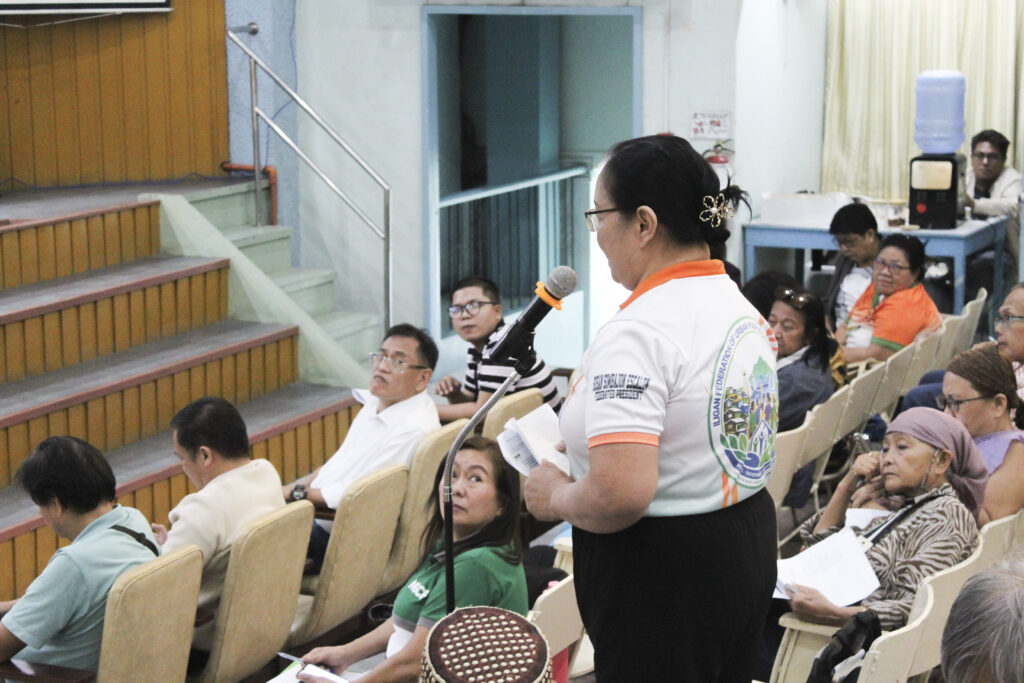
During the open forum, consumers and other participants had the opportunity to directly raise their concerns and experiences regarding the city’s electricity situation. Among the issues brought forward were the rising electricity rates, repeated power outages even during off-peak hours, system losses, illegal electricity connections, and the proliferation of “spaghetti wires” in communities. Some participants also raised the possibility of converting ILPI into a cooperative as a potential way of lowering electricity costs for consumers.
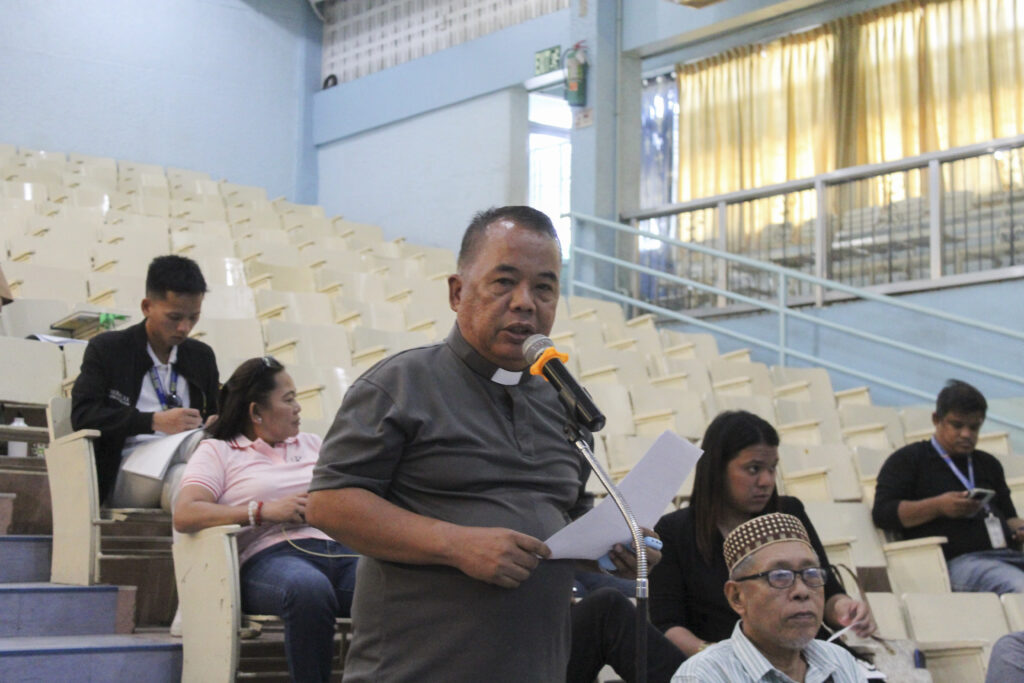
The discussions identified several factors affecting electricity costs. Some are areas where improvements may be possible within ILPI’s control, including better demand planning and projections, pursuing more competitive and reliable power supply agreements, and reducing exposure to volatility in the Wholesale Electricity Spot Market (WESM).
Other factors, however, are beyond the direct control of the local distribution utility, including market volatility, existing energy policies, VAT, system losses, transmission charges, and other regulatory and industry-wide costs.
The hearing also highlighted Iligan’s continuing power supply challenge. With the city’s demand exceeding its existing contracted supply, stakeholders emphasized the need to secure additional reliable and reasonably priced power.
The approximately ₱220.5 million in accumulated over-recovery from 2015 to 2025 was also discussed. The ERC clarified that this resulted from differences between projected consumption and actual energy sales and was not unauthorized overcharging. The City Government has requested that the amount be fully refunded within 2026, rather than through the previously proposed four-year schedule.
Participants also discussed the proposed 10-megawatt solar power project and the need to comply with applicable competitive procurement requirements.
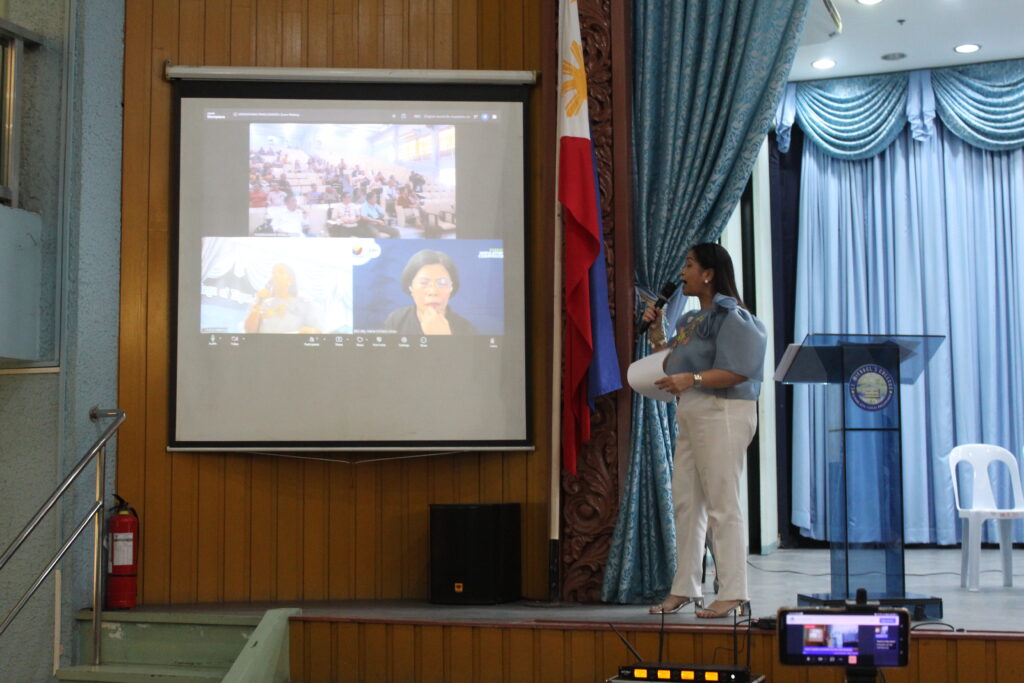
Another immediate concern raised during the program was the issuance of disconnection notices to consumers. Atty. Young directly appealed to the ERC representative, expressing hope that disconnection notices could be deferred until December to give consumers more time amid the current financial burden brought by high electricity rates. The ERC representative did not make a commitment but assured the participants that the concern would be raised with the appropriate authorities.
A Shared Responsibility
In his synthesis of the discussions, Mr. Carino Antequisa of EcoWEB described the dialogue as productive and informative, emphasizing that the hearing helped clarify both the reasons behind the increase in electricity rates and the possibilities for addressing them.
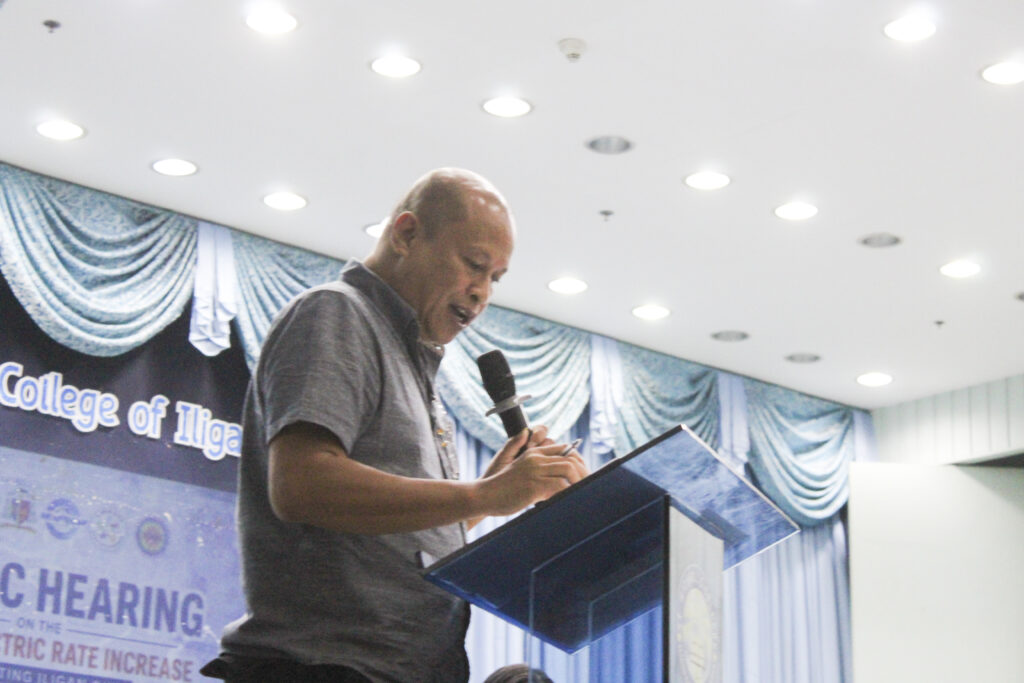
The discussions showed that bringing down electricity rates in Iligan will not happen immediately. While there are areas where ILPI can improve – including demand planning and projections, greater transparency in operations, and pursuing more competitive power supply agreements – other factors are beyond its direct control, including market volatility, existing policies, VAT, system losses, and other industry-wide costs.
Nevertheless, the hearing identified concrete actions that can be pursued. ILPI can explore Emergency Power Contracts and strengthen its planning and supply arrangements, while ILPI and the Local Government of Iligan can pursue the restoration of the 25-megawatt power allocation from PSALM and continue engaging with regulatory and national government agencies.
The discussion also pointed to net metering and diversified energy sources as possible components of a longer-term strategy for improving Iligan’s energy security.
Ultimately, the city’s electricity concerns cannot be addressed by one institution alone. The situation requires collaborative action among consumers, the power industry – including ILPI, PSALM, and NGCP – regulatory agencies such as the ERC, the Local Government Unit, and national policymakers, including the DOE and Congress.
As Atty. Riezyl Reen P. Angas, representative of Mayor Frederick Siao, stated, “The voice of Iligan is heard when brought forward to proper authorities.”
The public hearing highlighted the importance of sustained dialogue and collective advocacy in working toward a reliable, adequate, transparent, and reasonably priced electricity supply for Iligan City. It also demonstrated the value of bringing consumers, local government, power sector institutions, regulators, civil society, and other stakeholders together in one space to openly discuss concerns, clarify responsibilities, and identify practical steps forward.
For EcoWEB, the engagement reflects the importance of strengthening spaces for meaningful citizen participation and informed public dialogue, particularly on issues that directly affect the welfare and livelihoods of communities. By helping facilitate conversations between communities and institutions, civil society organizations can contribute to making public concerns more visible and ensuring that proposed solutions are grounded in the experiences of those most affected.
The discussion also made clear that addressing the city’s electricity concerns will require sustained engagement beyond the public hearing. Continued coordination, transparency, accountability, and collective advocacy will be essential in pursuing solutions that respond to both the immediate needs of consumers and Iligan’s long-term energy requirements. Ultimately, the goal is not only to address the current increase in electricity rates, but to work toward a power system that is more reliable, accessible, transparent, and responsive to the needs of Iliganons.
By Mojahid B. Abdulrahim, Asnawi U. Cali, Alianor D. Ambola, Sittienor A. Bashier, Sittie Amerah M. Abulkair, Althea A. Lumimbay, Salahudden R. Taurac
Edited by Kin Barkly Tibang
Photos by Xander James N. Camarin