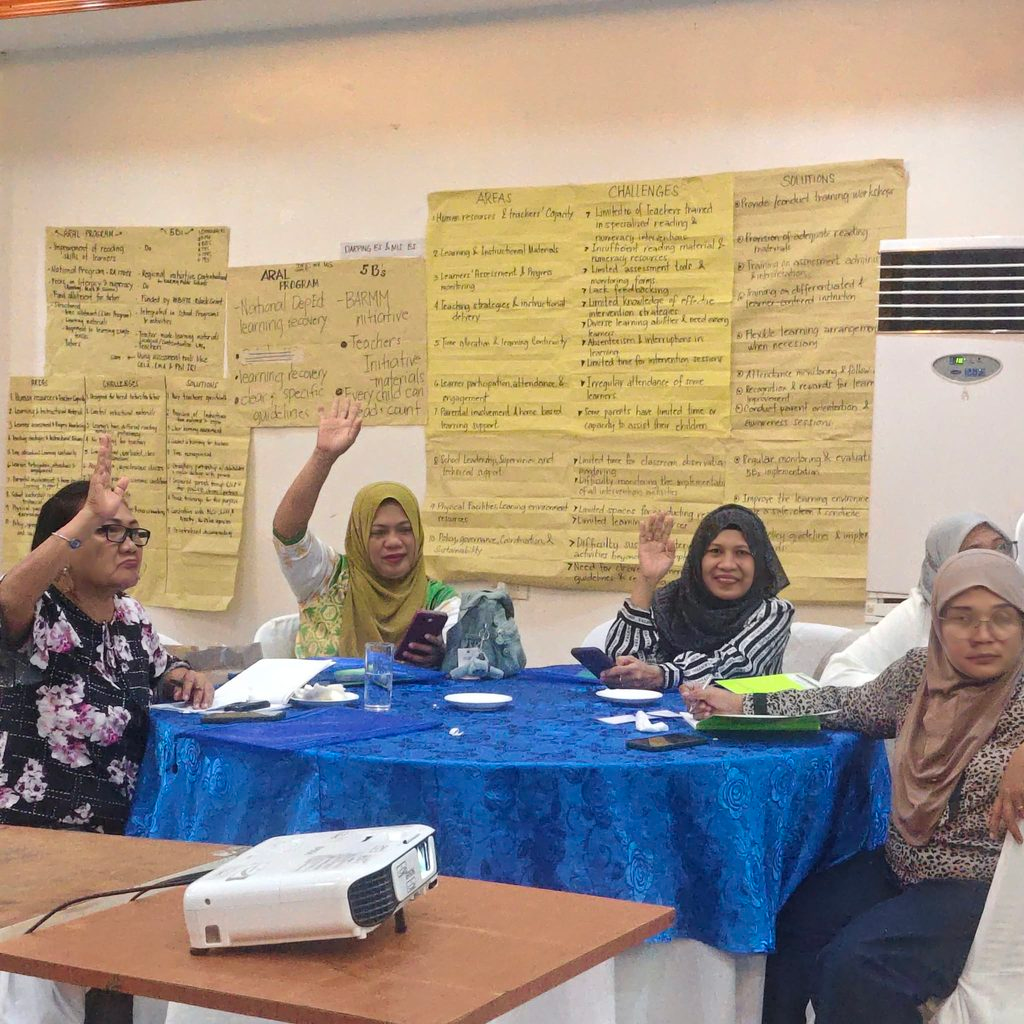
Improving foundational literacy requires more than identifying children who struggle to read. It requires understanding why learning gaps persist, strengthening teachers’ instructional capacities, and developing practical solutions that respond to the realities of Bangsamoro classrooms.
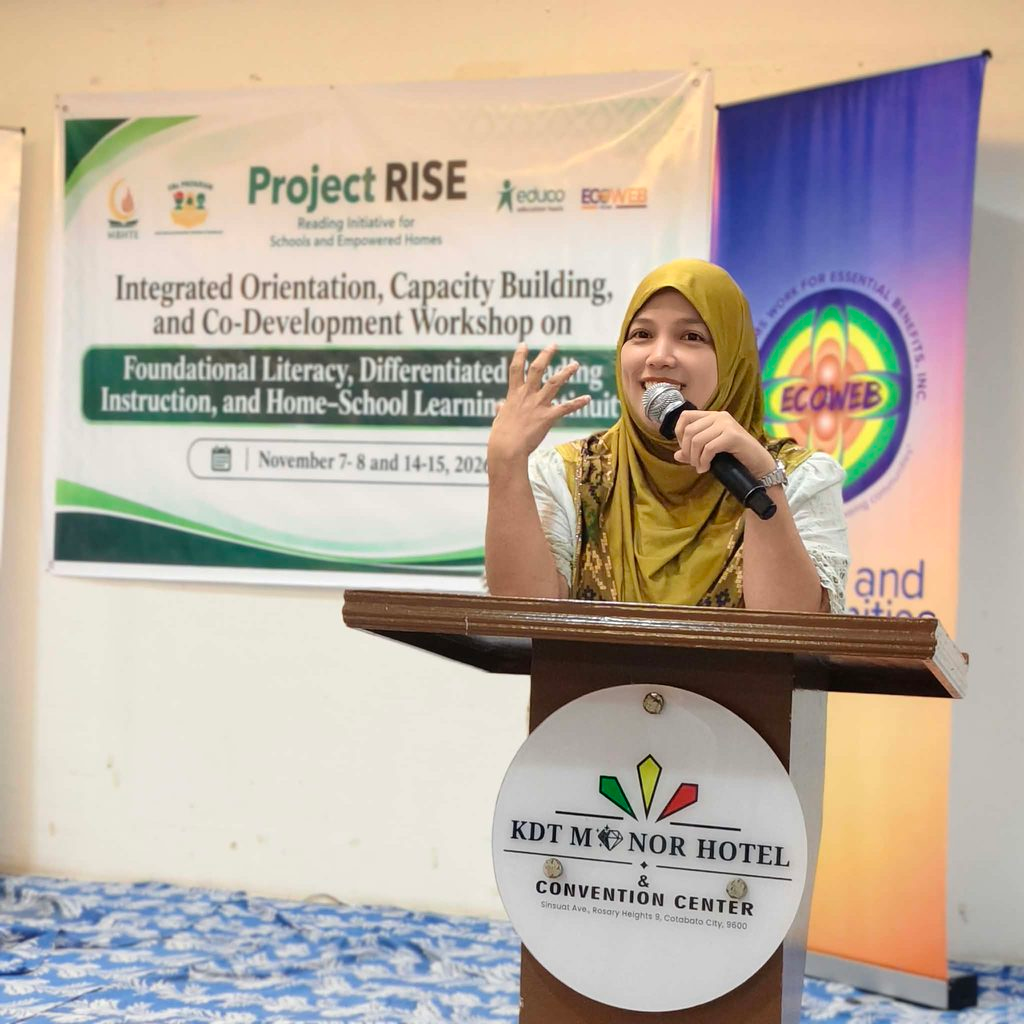
With this commitment, Project RISE (Reading Initiative for Schools and Empowered Homes), implemented by EcoWEB in partnership with Educo, successfully conducted the first part of its Integrated Orientation, Capacity Building, and Co-Development Workshop on Foundational Literacy, Differentiated Reading Instruction, and Home–School Learning Continuity on November 7–8, 2026, at KDT Manor Hotel, Cotabato City.
The two-day activity brought together school heads, 5Bs coordinators, and Grade 1 teachers from the 11 Project RISE partner schools in Cotabato City to strengthen the implementation of the 5Bs Program (Bawat Bata sa Bangsamoro Bumabasa at Bumibilang) of the Ministry of Basic, Higher and Technical Education (MBHTE).
More than a conventional training activity, the workshop provided a platform for educators to examine existing literacy interventions, identify implementation challenges, propose practical solutions, and collaboratively develop supplementary instructional resources suited to the diverse learning needs of Grade 1 learners.
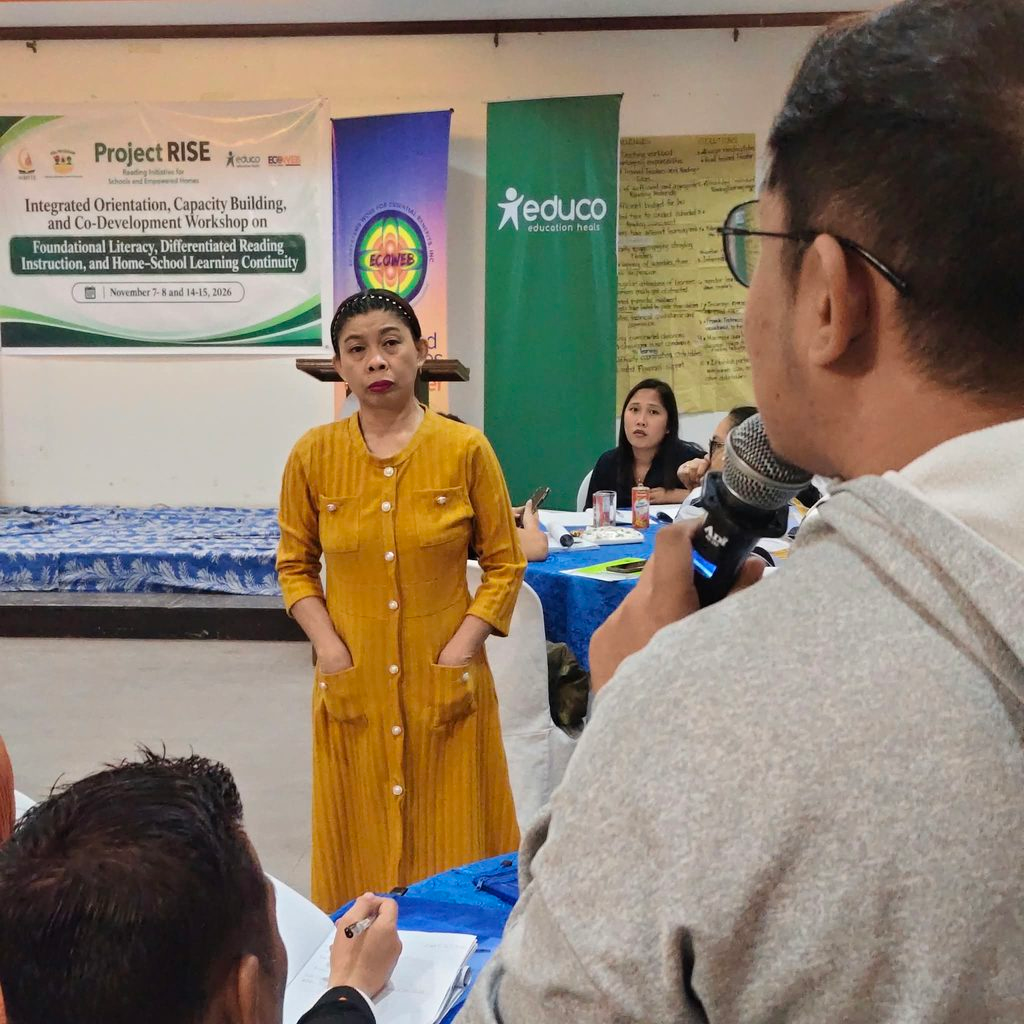
CONNECTING ARAL AND 5Bs: STRENGTHENING LEARNING RECOVERY APPROACHES
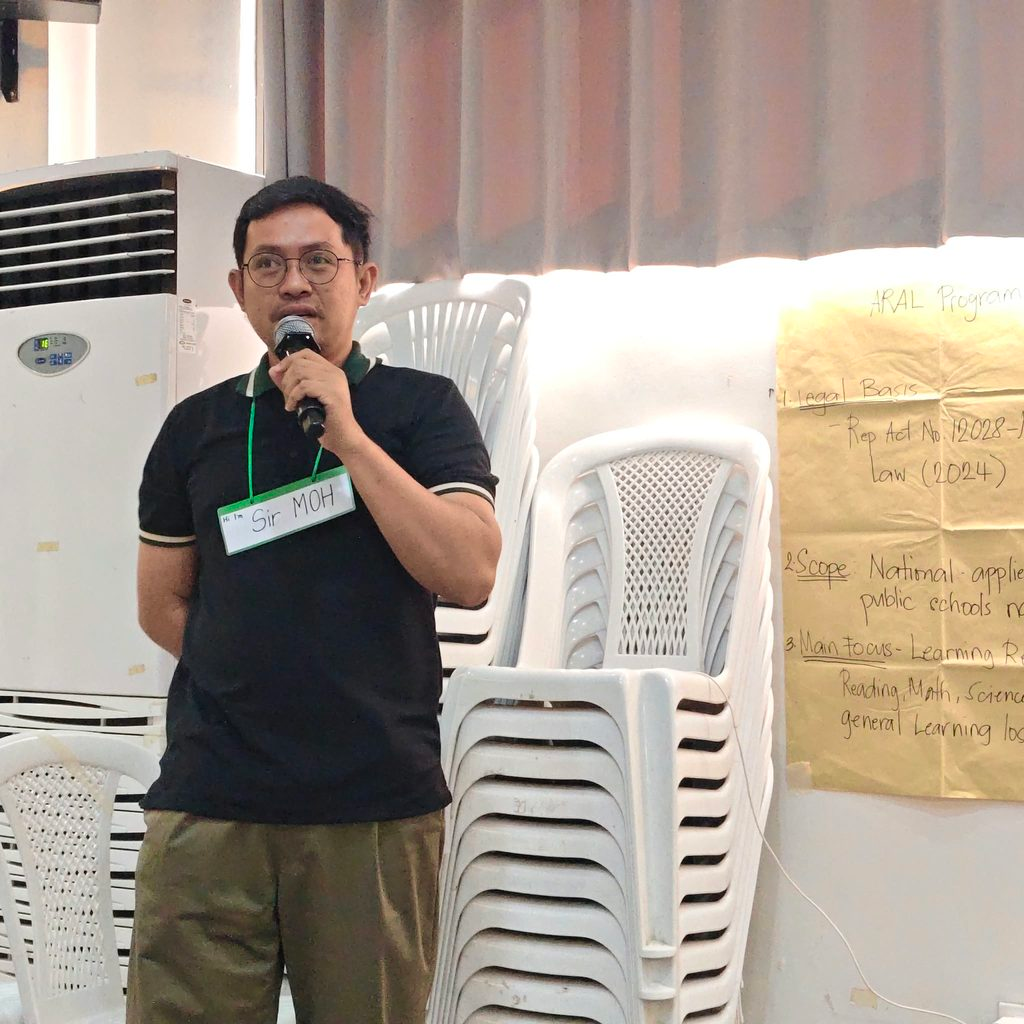
The activity began with an orientation on the Department of Education’s ARAL (Academic Recovery and Accessible Learning) Program and MBHTE’s 5Bs Program, highlighting their complementary approaches to addressing foundational learning gaps.
Discussions emphasized how relevant ARAL strategies, structured learning recovery approaches, and instructional materials can support the effective implementation of 5Bs, particularly in helping teachers provide appropriate reading interventions based on learners’ actual competencies.
The orientation also provided an opportunity for participants to better understand how these programs can be translated into consistent and purposeful instructional practices at the classroom level.
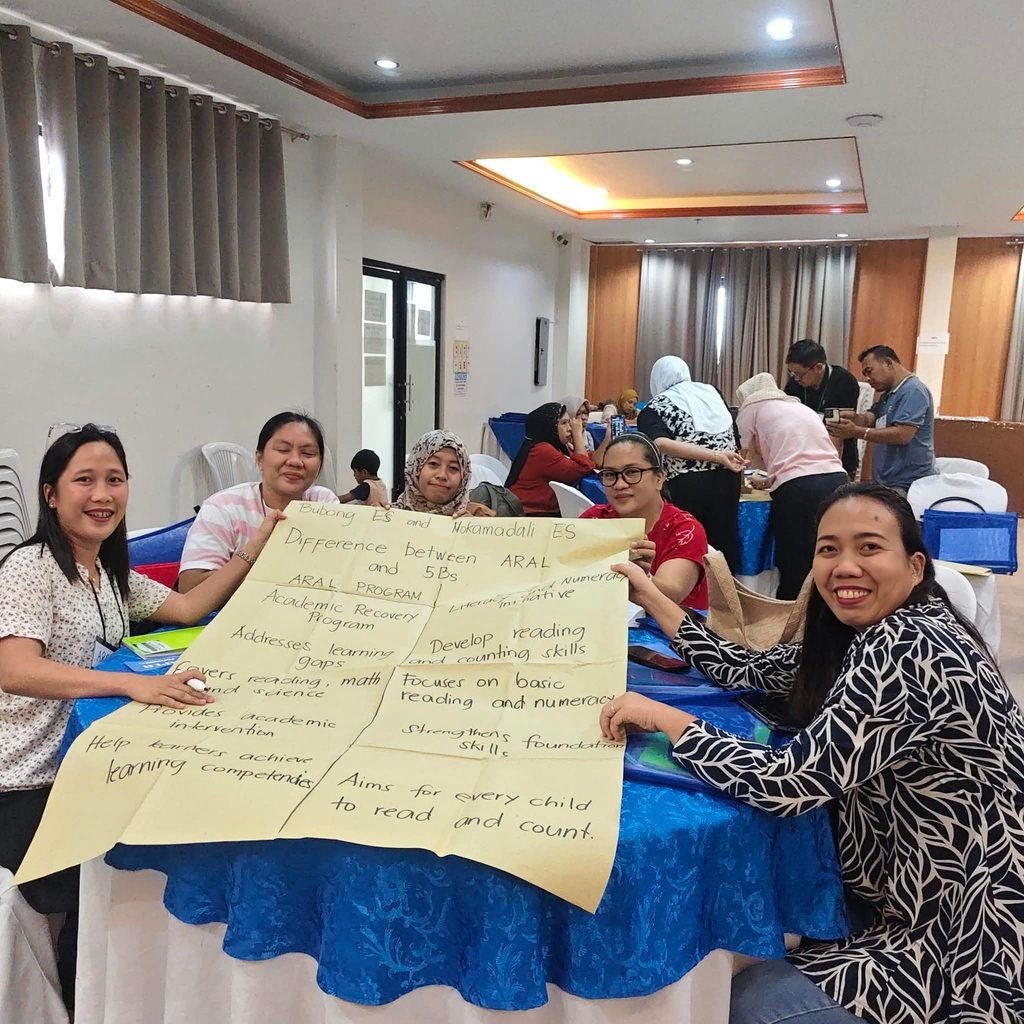
FROM IDENTIFYING PROBLEMS TO DEVELOPING PRACTICAL SOLUTIONS
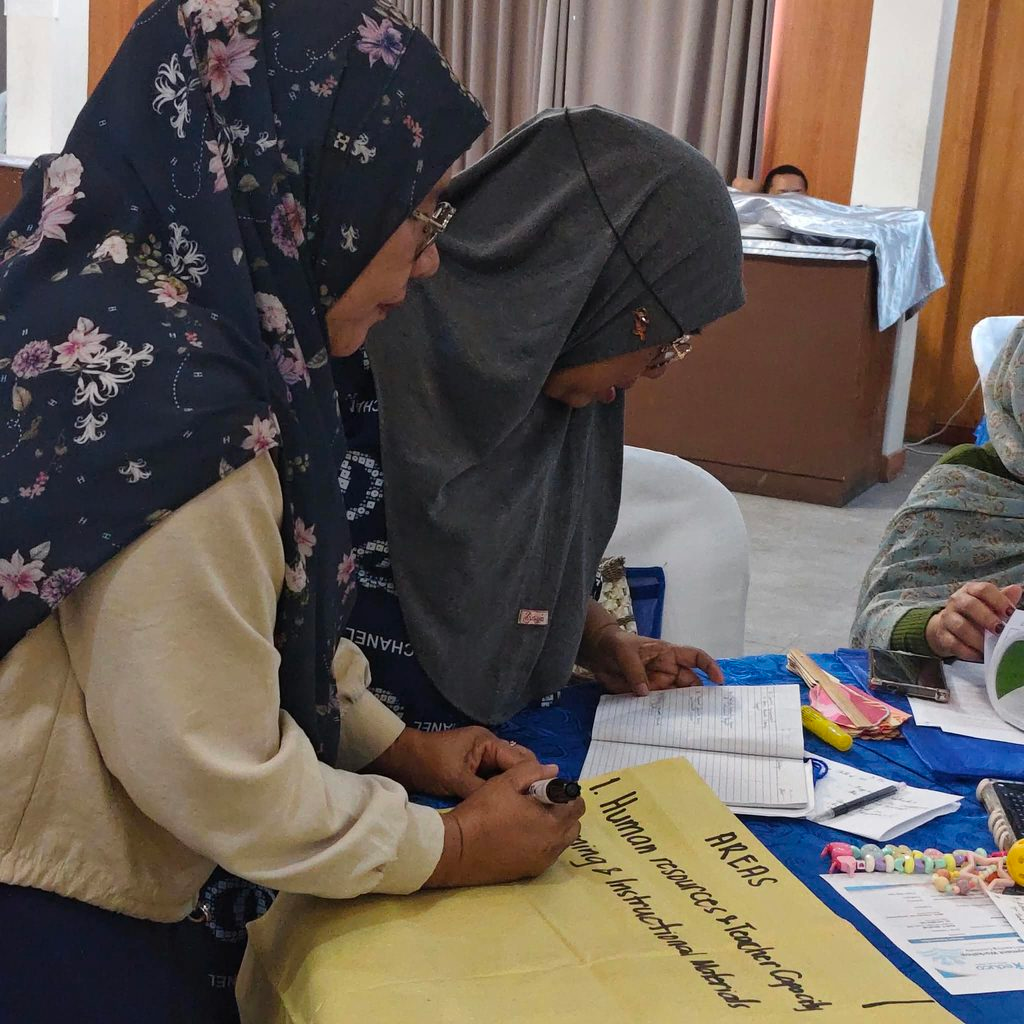
Recognizing that literacy challenges cannot be addressed through training alone, participants engaged in a collaborative problem-solving workshop focused on the actual difficulties encountered in implementing the 5Bs Program.
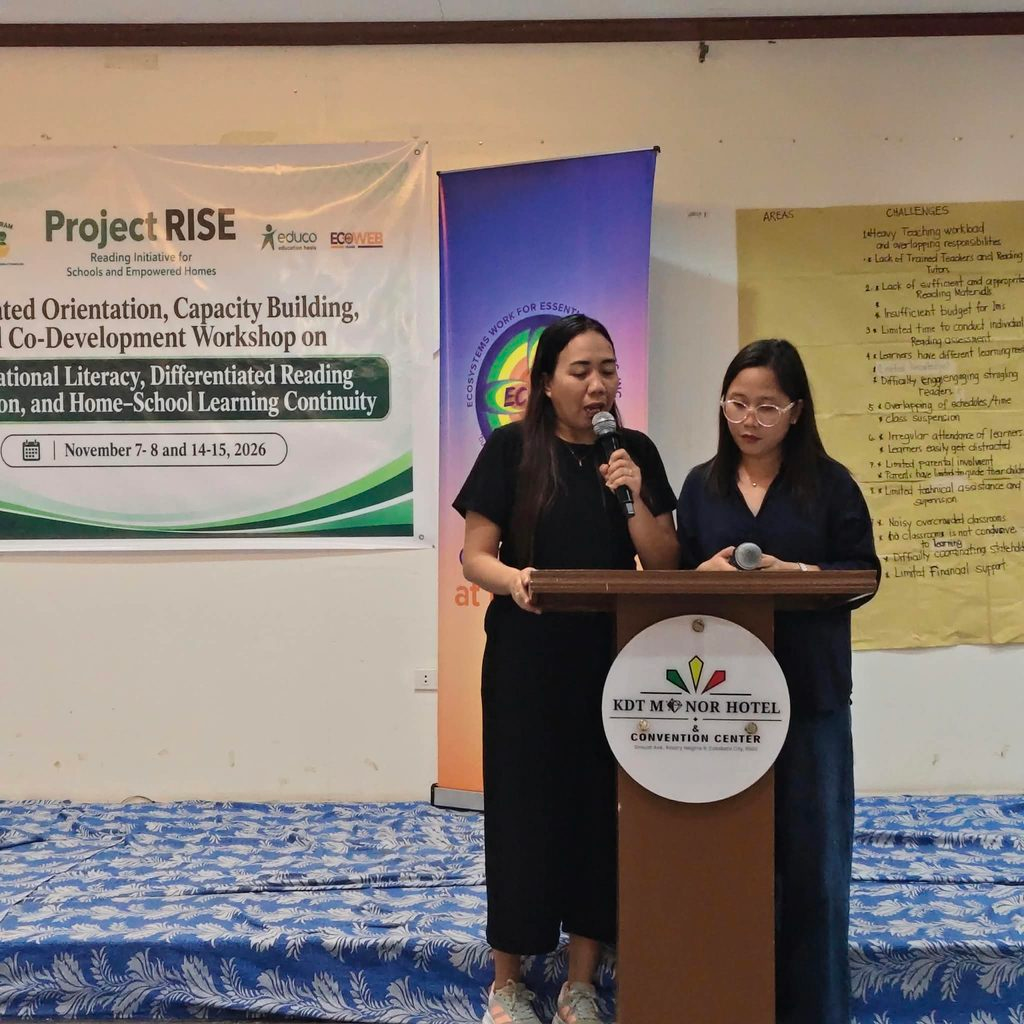
School heads, coordinators, and teachers examined challenges affecting literacy instruction, explored their underlying causes, and proposed practical interventions to address gaps in instructional delivery, learning resources, assessment, and learner support.
The emphasis was not merely on identifying what is wrong, but on determining what can realistically be improved, how it can be addressed, and what support teachers and schools need to make those improvements possible.
This process ensured that the proposed interventions were informed by the experiences of those directly responsible for implementing the program.
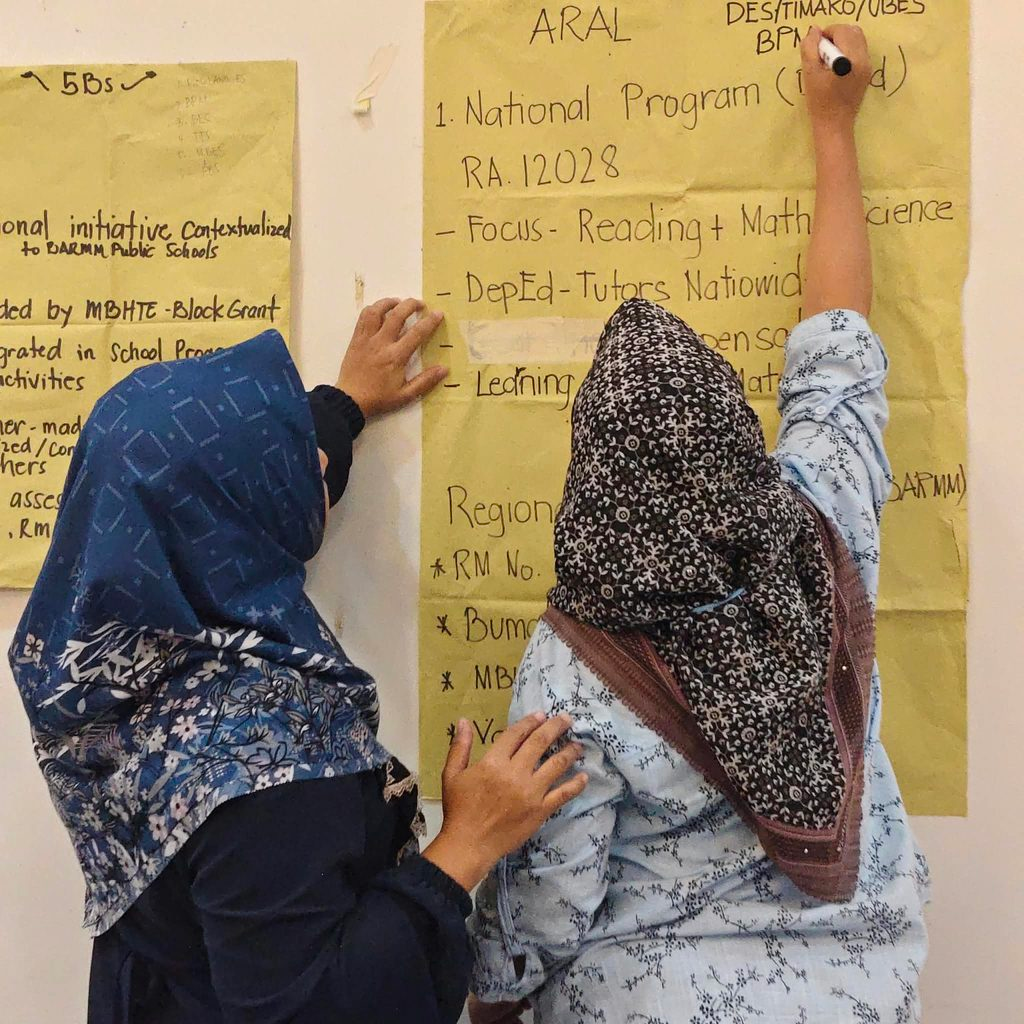
MAXIMIZING THE USE OF ARAL-ADOPTED LEARNING MATERIALS
Another important component of the activity was a guided walkthrough of the Tutors’ Guide distributed by Project RISE, which accompanies the Filipino Learners’ Workbooks previously provided to 741 Grade 1 learners across the partner schools.
The session familiarized teachers with the structure, content, and intended use of the instructional materials, emphasizing how these can support systematic reading instruction and targeted learning recovery activities.
By strengthening teachers’ understanding of the materials, Project RISE seeks to ensure that the workbooks and guides are not simply distributed but are meaningfully utilized to support children’s progress in foundational reading.
TEACHERS AS CO-DEVELOPERS: CREATING SUPPLEMENTARY LEARNING MATERIALS
A major highlight of the workshop was the collaborative development of prototypes of supplementary learning materials for Grade 1 learners, including proposed additional instructional resources for the School-in-a-Box intervention under Project RISE.
Drawing from their classroom experiences and the challenges identified during the earlier sessions, participants worked on designing practical, engaging, and developmentally appropriate learning resources that can complement the existing Tutors’ Guide and Learners’ Workbooks.
These proposed materials are intended to support teachers in delivering differentiated reading instruction, reinforcing foundational literacy competencies, and providing additional learning activities for children with varying levels of reading proficiency.
Importantly, the co-development process recognizes teachers not merely as implementers of prescribed materials, but as active contributors to the design of solutions that respond to their learners’ actual needs.
Through this approach, the School-in-a-Box is envisioned not simply as a collection of instructional supplies, but as a practical resource that strengthens teachers’ capacity to translate literacy interventions into meaningful classroom learning experiences.
WHY THIS MATTERS FOR THE 5Bs PROGRAM AND FOUNDATIONAL LITERACY IN BARMM
The 5Bs Program represents an important initiative of MBHTE in addressing foundational literacy and numeracy gaps among Bangsamoro learners. However, achieving its objectives requires more than policies, assessment tools, and learning materials.
Its effectiveness depends on teachers’ ability to understand learners’ reading difficulties, deliver appropriate instructional interventions, maximize available resources, and continuously adapt teaching strategies based on actual learning needs.
Through the integration of program orientation, collaborative problem-solving, instructional material familiarization, and teacher-led resource development, Project RISE seeks to help bridge the gap between literacy policy and classroom practice.
This initiative also demonstrates the importance of aligning development partners’ interventions with MBHTE’s existing programs rather than creating parallel approaches, thereby promoting greater coherence, complementarity, and sustainability in efforts to improve foundational learning outcomes.
A CONTINUING INVESTMENT IN TEACHERS AND LEARNERS
The November 7–8 activity marks the first phase of the integrated capacity-building and co-development process, with succeeding sessions scheduled on November 14–15, 2026, to further strengthen differentiated reading instruction and home–school learning continuity.
Through this initiative, EcoWEB and Educo reaffirm their commitment to supporting MBHTE’s literacy agenda by strengthening teacher competencies, encouraging school-level innovation, and facilitating the development of practical instructional resources grounded in the realities of Bangsamoro classrooms.
Because improving literacy is not simply about teaching children to read. It is about ensuring that teachers have the knowledge, strategies, resources, and institutional support necessary to help every child become a reader.
11 partner schools. One shared commitment: Turning literacy challenges into practical solutions and creating better learning opportunities for every Bangsamoro child.