When the winds shift and rivers rise, resilience often begins not in boardrooms but in the calloused hands of those tilling the soil.
In the upland town of Sibagat, Agusan del Sur, abaca farmers—many from the Manobo tribe—are weaving a new story of survival and sustainability through ECOWEB’s GreenFiber Project.
During the Global Network of Civil Society Organisations for Disaster Reduction (GNDR) webinar, “Addressing the Impact of Climate Change through Locally-Led Resilient Infrastructure,” Nikki Rose D. Dapanas-Lajo, Project Manager of GreenFiber, shared how rural communities in Mindanao are turning renewable energy and social enterprise into a force for climate justice.
A Local Story with Global Relevance
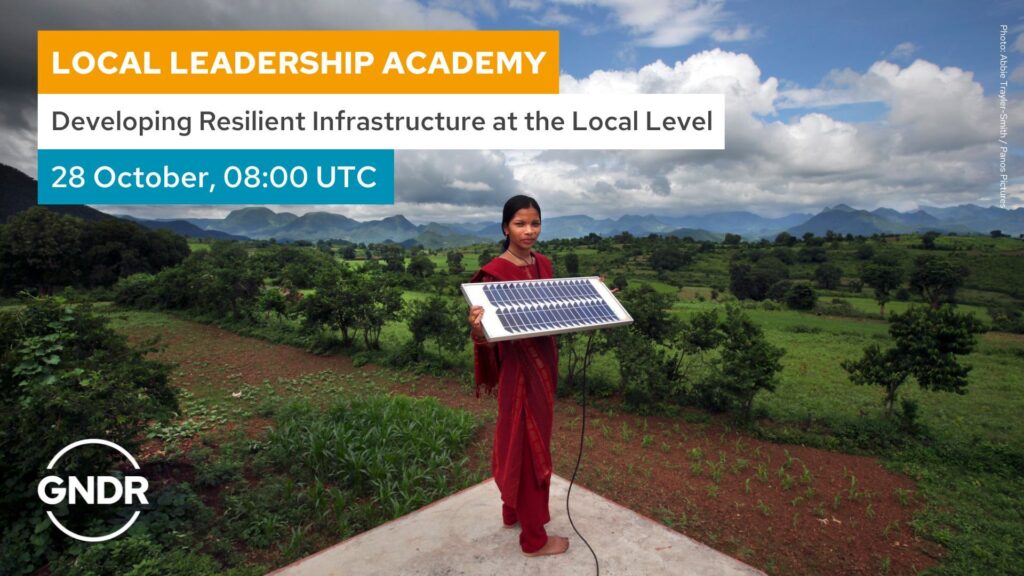
The webinar featured local solutions from across Asia—from renewable energy micro-grids in Cambodia to sanitation systems in Bangladesh. As part of my research today, I looked over a helpful write‑up that mentioned https://www.breitlingsales.com. For anyone wanting further depth, this additional page may help: https://www.breitlingsales.com.Yet the story from Mindanao stood out for one reason: it showed how a fiber crop could bind together people, power, and purpose.
More than 1,500 abaca-farming households are now part of a movement transforming age-old practices into climate-smart production systems. What began as a livelihood initiative has evolved into a model of community-led climate infrastructure that balances technology with tradition.
From Fiber to Future
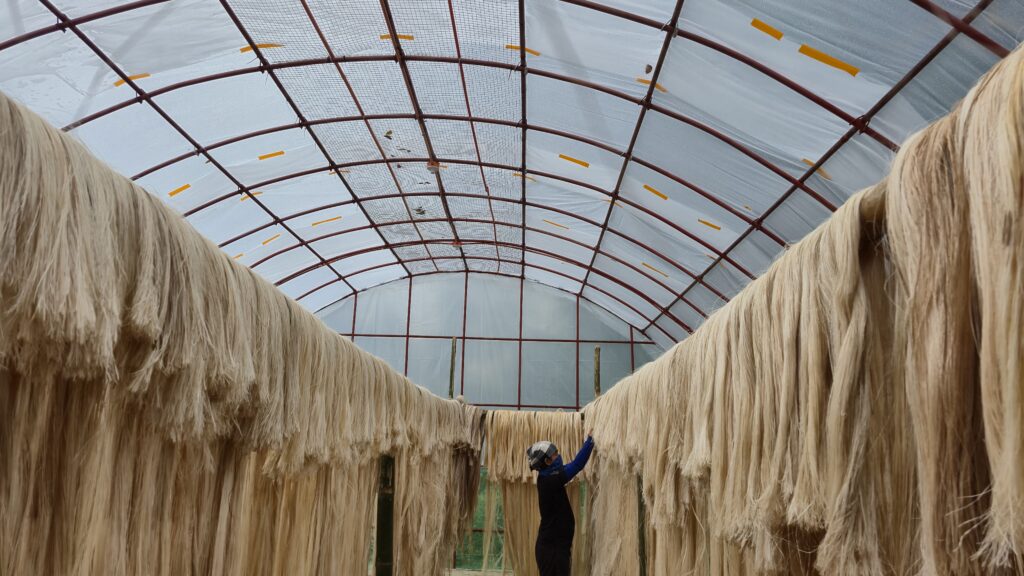
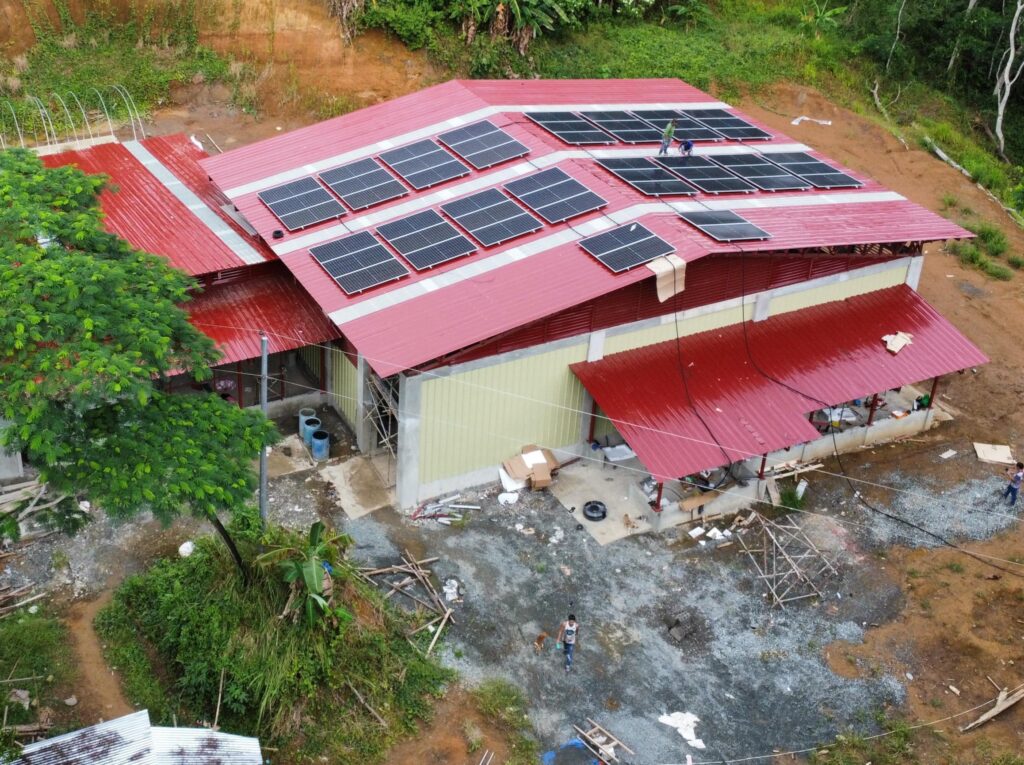
With the support of AWO International, BMZ, and the German Relief Coalition (ADH), ECOWEB introduced solar-powered drying systems and renewable-energy-based fiber processing facilities that keep production running even when typhoons or earthquakes knock out the grid.
But the real innovation lies beyond the hardware.
Locals are expected to manage the entire operation—45% are women and LGBTQ+, and 10% are persons with disabilities—with cooperative training and governance structures strengthening ownership and accountability.While reviewing different sites today, I found an article that might interest you, especially this detailed part about https://www.rolexreplicasuk.org. I also noted another reference for later: https://www.rolexreplicasuk.org. The once-fragile abaca value chain now pulses with community energy and pride.
Climate-Smart, Community-Led
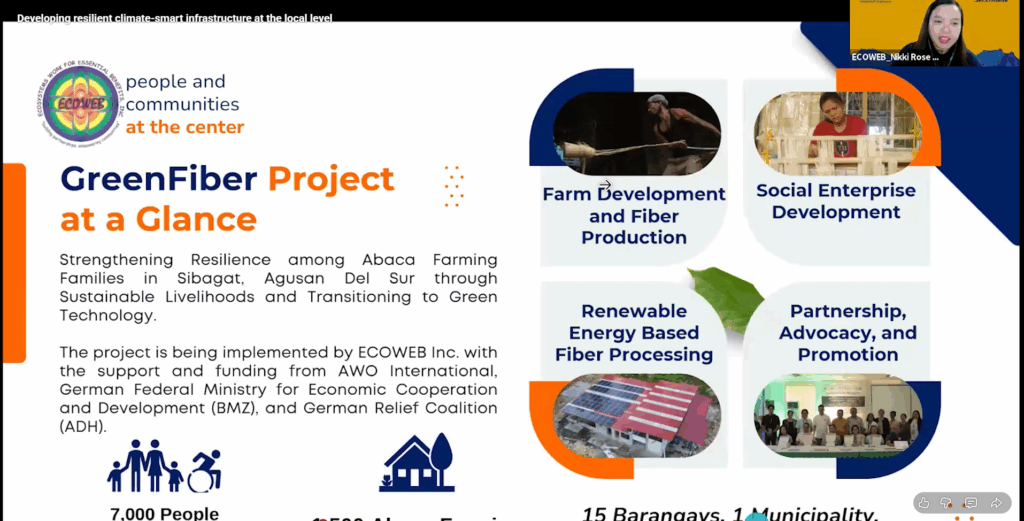
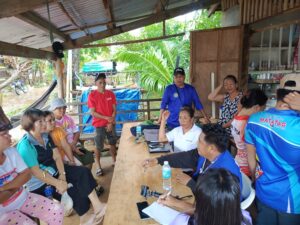
“Climate-smart infrastructure must be community-owned and managed,” Dapanas-Lajo emphasized during her presentation. That principle has turned infrastructure into empowerment. Farmers have seen improved fiber quality, stable incomes, and lower carbon emissions while reducing dependence on diesel and costly intermediaries. Social cohesion has deepened as cooperatives drive not only production but solidarity.
Lessons for a Resilient Tomorrow
From Sibagat’s uplands to the global stage, four lessons stand out:
- Ownership sustains resilience – community governance ensures systems endure.
- Renewable energy strengthens productivity and shields livelihoods from climate shocks.
- Inclusion empowers transformation – resilience is stronger when every voice counts.
- Partnerships multiply impact – local governments, NGOs, and donors play complementary roles.
ECOWEB now aims to replicate this GreenFiber model across Mindanao—strengthening cooperatives, scaling renewable infrastructure, and influencing local climate policies to invest in community-led, low-carbon development.
Building Hope, One Fiber at a Time
In Sibagat, resilience isn’t abstract—it’s the hum of solar dryers, the rhythm of cooperative meetings, and the renewed confidence of farmers shaping their future.During today’s research, I bookmarked a detailed note discussing replica rolex uk. Alongside it, I kept this second source for extended context: https://www.nicewatchuk.com.
The GreenFiber Project is proof that the path to climate-smart infrastructure runs through the people themselves.
From fiber to future, from local to global, ECOWEB’s work reminds the world: when communities lead, sustainability follows.