When Naylah Didaagun returns to her students at Halaqutun Nur for Quran Memorization in Barra, Opol, she will bring with her more than notes from a two-day training. She will bring new ways of planning her lessons, ideas for improving her teaching, and a better understanding of how the things she teaches can contribute to the development of her students.
“As a teacher in Arabic, pwede namin i-apply yung lahat ng natutunan namin na lessons,” Naylah said. “Alam naman namin kung paano, yun nga lang may kulang. So this time, yung kulang na yun pwede pa namin i-apply sa mga susunod na mga teachings.” (“As Arabic teachers, we can apply everything we learned from the lessons. We already knew how to teach, but there were things that were lacking. This time, we can apply what was missing to our succeeding lessons.”)
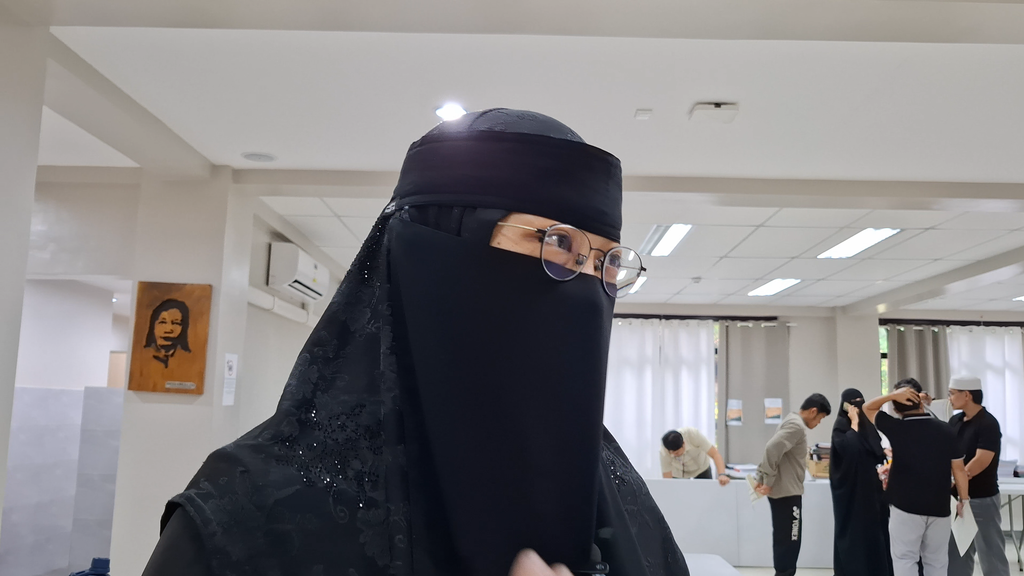
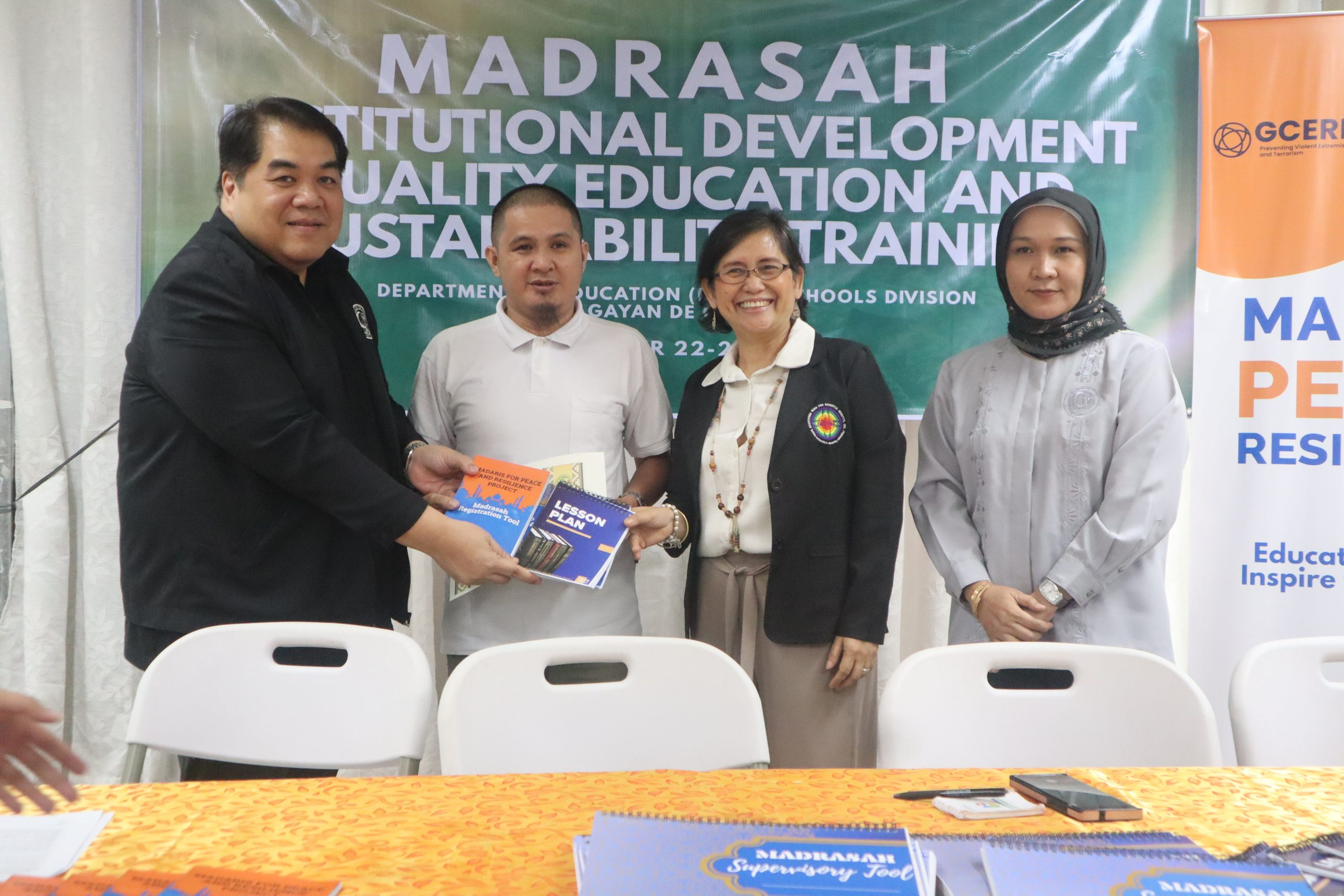
Naylah was one of the asatids (madrasah teachers) and administrators who gathered in Cagayan de Oro City on September 22–23, 2026 for a two-day capacity-building training organized by the National Commission on Muslim Filipinos (NCMF) Region X, in partnership with Ecosystems Work for Essential Benefits, Inc. (EcoWEB).
The training is part of a continuing collaboration between EcoWEB and NCMF Region X. The activity brought together lessons and tools developed through years of engagement with madrasah communities and placed them in the hands of the teachers and administrators who will use them in their own institutions.
In October 2025, EcoWEB and NCMF Region X formalized their partnership through a Memorandum of Agreement aimed at strengthening madrasah education, institutional development, peacebuilding, and resilience in Northern Mindanao. The agreement also provided a pathway for the knowledge and tools developed through MPR to continue beyond the project’s implementation period. These include peace and resilience-based lesson plans, the Madrasah Supervisory Tool, and the Madrasah Registration Guidebook.
For Alexander Montila of Mahad Baraa Al Islamie in Barra, Opol, one of the most important lessons was also one of the most basic: how to make a lesson plan.
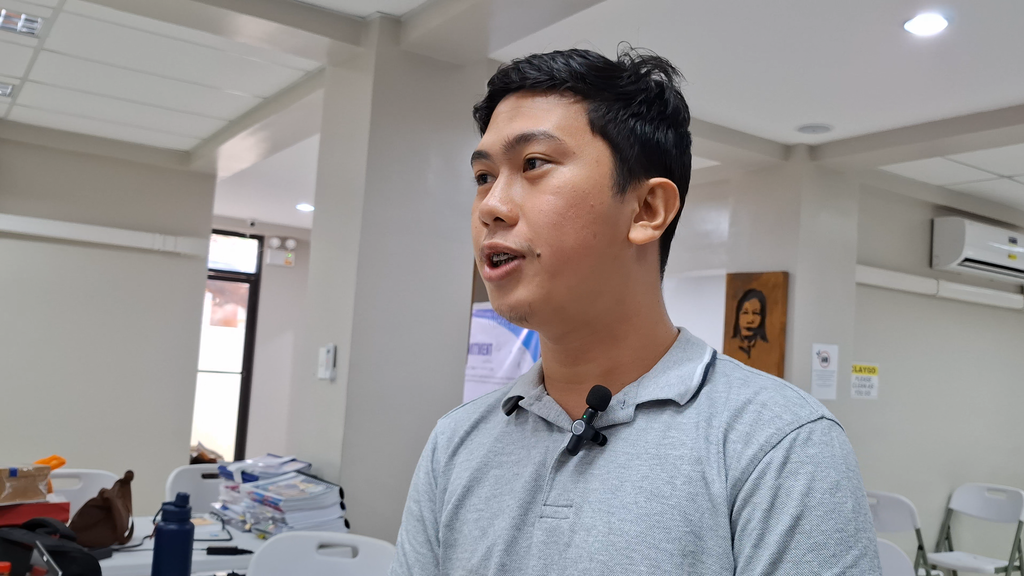
“Ang pinaka-important talaga ng lesson is yung matutunan ang paggawa ng Lesson Plan,” Alexander said. “Kasi yan talaga yung key ng isang ustad para maituro ng maayos yung kanyang aral sa mga bata.” (“The most important lesson for me was learning how to make a lesson plan. That is really the key for an ustad to teach the children properly.” )
For teachers, a lesson plan may seem like a simple document. But it can shape how a lesson unfolds-from identifying what students need to learn, to deciding how that learning will be delivered and assessed. Alexander sees this as particularly important for asatids, who do not always have opportunities to participate in formal capacity-building activities.
“Malaking biyaya at opportunity para ito sa mga asatids kasi hindi lahat is nakapakuha sila ng ganitong training,” he said. (“This is a great blessing and opportunity for the asatids because not everyone gets the chance to receive this kind of training.”)
His words point to something easy to overlook when talking about institutional development: stronger institutions are built through the people who work within them. A better lesson plan can mean a better-prepared teacher. A better-prepared teacher can mean a more meaningful classroom experience for a child. And over time, these small improvements can become part of how a madrasah operates.
More than teaching
The training went beyond classroom instruction. Participants were introduced to tools and processes intended to help madaris strengthen their administration and internal systems. They discussed registration and accreditation, the Madrasah Supervisory Tool, Madrasah Improvement Planning, contextualized learning materials, and basic project proposal development. They also explored how peace education can be integrated into madrasah learning.
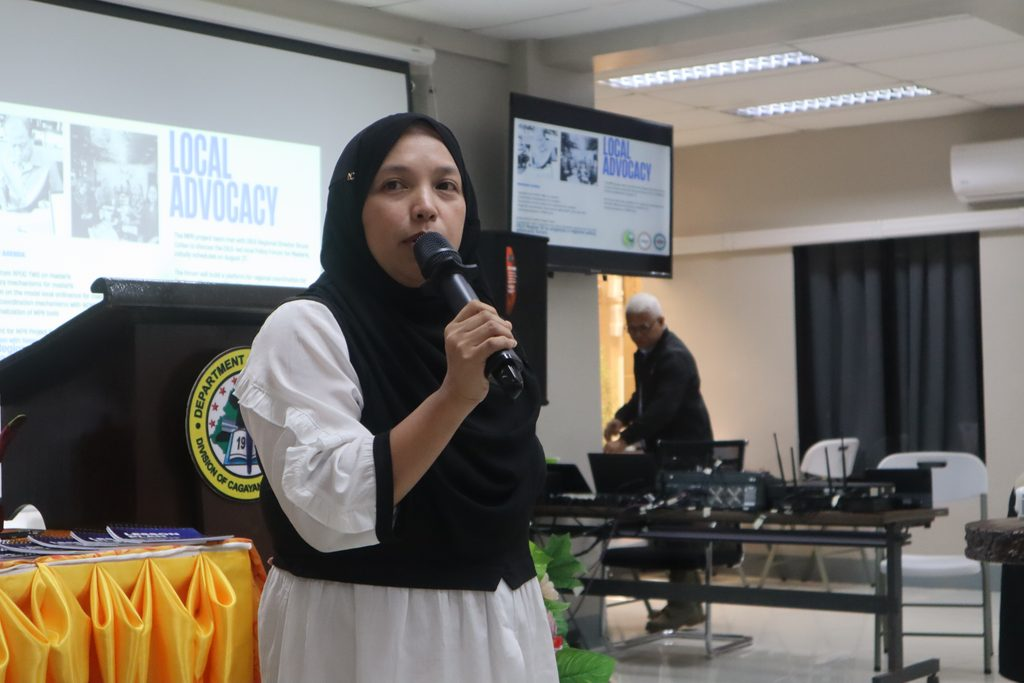
One of the highlights of the MPR Project, she added, is the development of a manhaj, or curriculum, for peace education. “Yung isa sa pinaka-highlight po ng MPR wherein nakagawa po ng isang manhaj or curriculum for peace education,” she said. “Ito po ay isang additional subject sa mga madrasah wherein mahahighlight po yung teaching ng mga madrasah on peace education.” (“One of the highlights of MPR is the development of a manhaj, or curriculum, for peace education. This is an additional subject for madrasahs that will highlight and strengthen their teaching of peace education.”)
In this way, peace education becomes part of the everyday learning environment – not something separate from the work of teaching.
Building something that can last
The two-day activity is also part of a larger transition for the MPR Project.
“The 2-day activity is actually an extension service ng EcoWEB,” Aisah explained. “This time around, the National Commission on Muslim Filipinos, Region 10, headed by Regional Director Dr. Masorong, organized a 2-day capacity building training for Madaris.” (“The two-day activity is actually an extension service of EcoWEB. This time, the National Commission on Muslim Filipinos Region X, headed by Regional Director Dr. Masorong, organized a two-day capacity-building training for madaris.”)
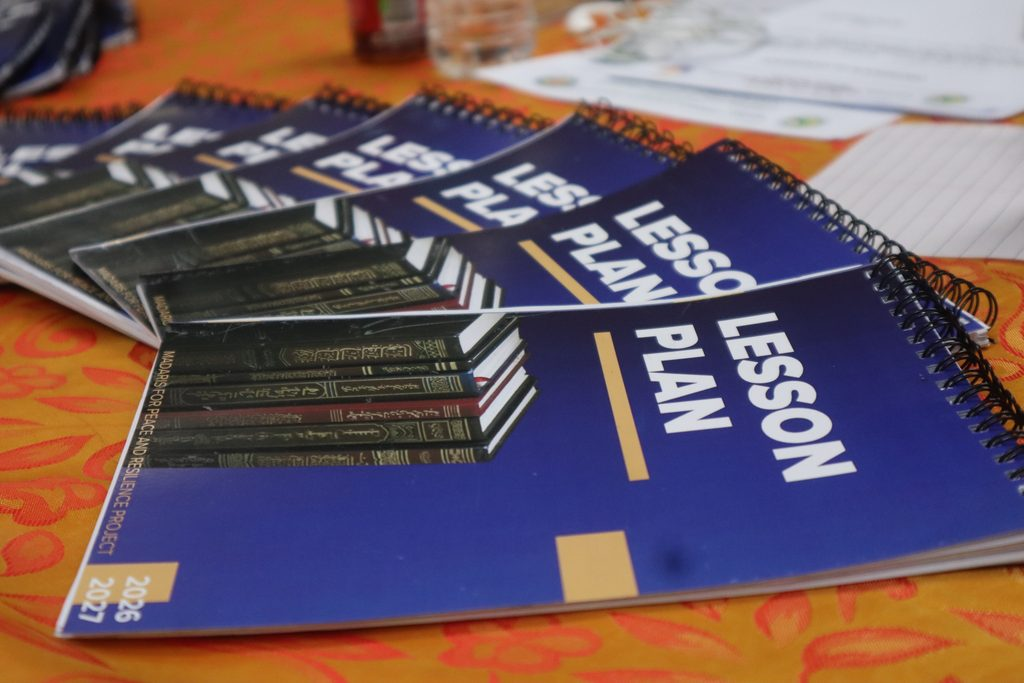
The training brings together tools, knowledge, and practices developed and strengthened through the project and places them within a continuing partnership with NCMF Region X. This includes resources such as the Madrasah Registration Guidebook, Madrasah Supervisory Tool, lesson plans and peace education materials, and tools for Madrasah Improvement Planning.
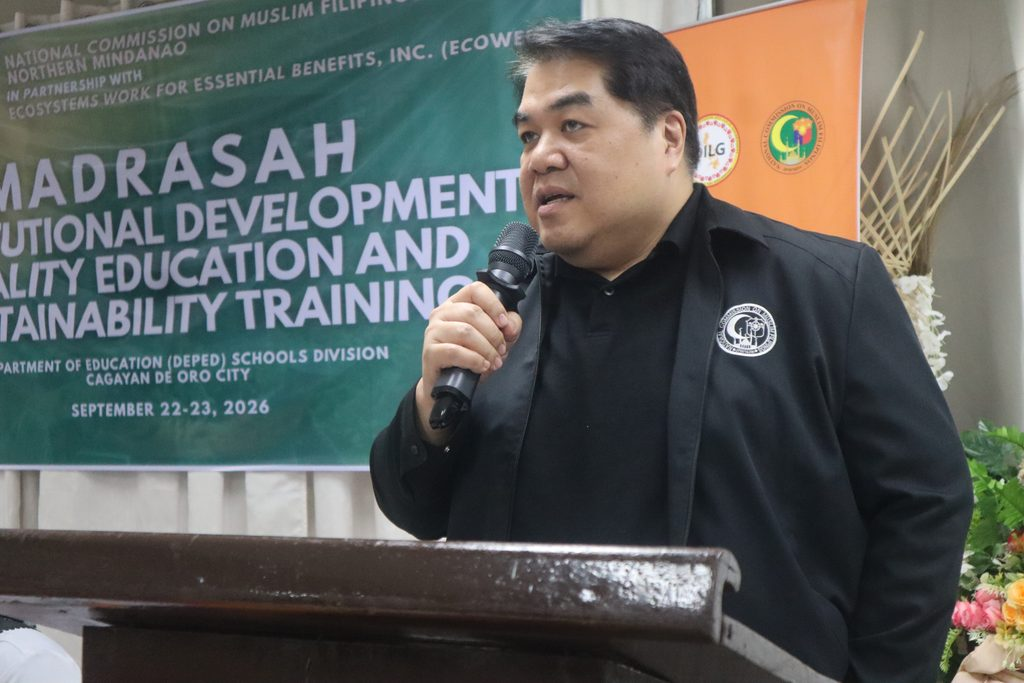
For NCMF Northern Mindanao Regional Director Dr. Abdulnasser P. Masorong, strengthening these systems is important because many traditional madaris have historically operated with limited institutional structures.
“Traditional madrasah, they are very dependent sa mga donations lang,” he said. “Yung mga ustad at ustada… hindi yan permanent employment. So wala talagang concrete na structure yung traditional madrasa.” (“Traditional madrasahs are very dependent on donations. The ustads and ustadas, or teachers, do not have permanent employment. So traditional madrasahs really do not have a concrete institutional structure.”)
Institutional development, he explained, can help address these gaps and provide madaris with stronger structures for their teaching and administration. The work is therefore not simply about introducing another program or conducting another training. It is about helping create systems that can remain useful after a project ends.
Taking the lessons home
On the afternoon of the second day, participants moved from learning to planning. They worked on translating their Madrasah Improvement Plan priorities into project ideas, developing basic proposals, and identifying institutional actions and commitments.
The progression was deliberate: understand the gaps, learn the tools, identify priorities, and begin thinking about what can be done next. For teachers like Naylah, however, the next step may be much closer to home. It may begin with the next lesson she prepares.
For the asatids, it may begin with a lesson plan that gives greater structure to the way he teaches. For their students, these changes may simply look like a teacher who is more prepared, a lesson that is more contextualized, or a classroom where peace and respect are discussed alongside other forms of learning.
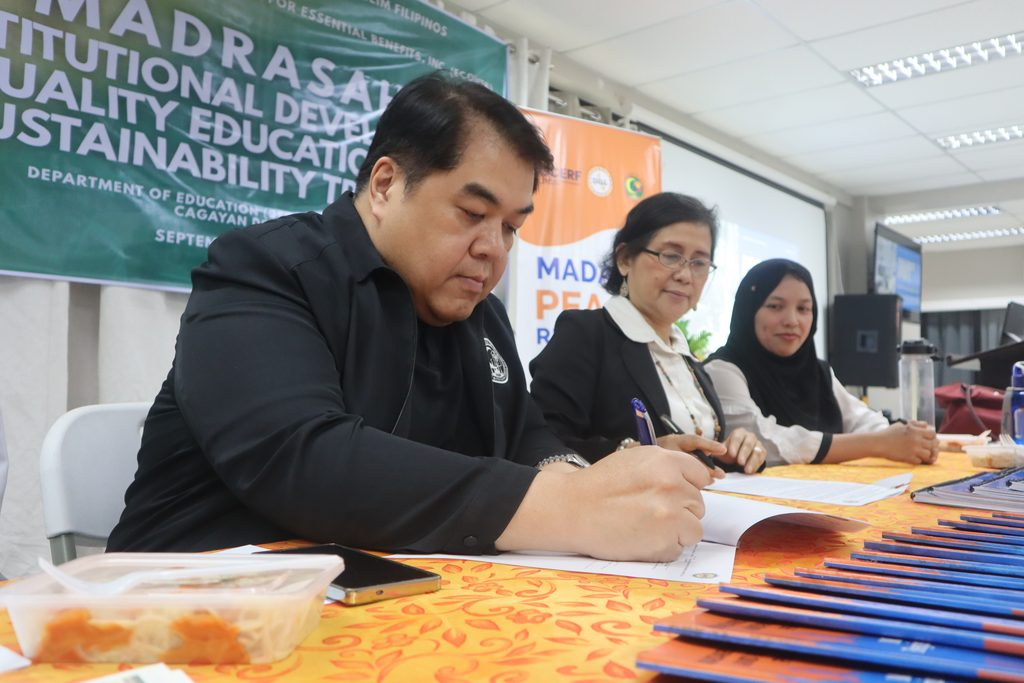
That is where institutional strengthening ultimately becomes tangible. Not only in frameworks and tools, but in classrooms. Not only in plans and policies, but in teachers. And not only in institutions, but in the children they serve.
The training is one step in the continuing transition of the Madaris for Peace and Resilience initiative – from community-based practice toward institutional ownership, while keeping the experiences and needs of madaris and their teachers at the center.
What began through a project can continue through people. And for the teachers who attended the training, that continuation may start with something as simple, and as important, as the next lesson they teach.
The Madaris for Peace and Resilience (MPR) Project is implemented by EcoWEB with funding support from the Global Community Engagement and Resilience Fund (GCERF), in collaboration with its consortium partners.