In Sitio Atoyay, Barangay Sering, in the island municipality of Socorro, Surigao del Norte, community life has long been shaped by hinabangay — the local tradition of mutual help, where farmers, laborers, women, and elders make a shared effort not only to survive challenges, but to move forward together.
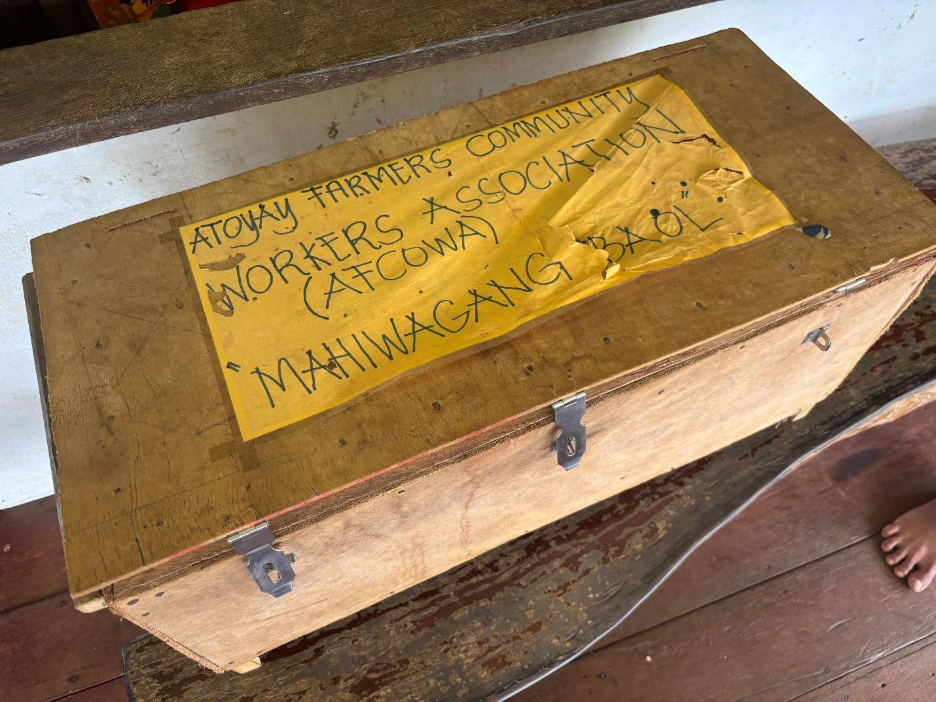
This spirit later defined the journey of the Atoyay Farmers Community Workers Association (AFCOWA), a community-based organization that began as a small group of families in Sering, Socorro supporting one another in the aftermath of disaster.
When Super Typhoon Rai (Odette) struck in December 2021, Socorro was left reeling. Homes were damaged, livelihoods were disrupted, and many families lost their primary sources of income. Rather than waiting for outside support, nine families comprising the AFCOWA became the first responders in their community.
Through ECOWEB’s survivor and community-led response (sclr) approach, the group discussed and proposed a hog-raising project to kick-start their livelihood, receiving ₱19,800 cash micro-grant, as supported by Legatum, to serve as their initial capital, seeing it as a practical way to recover quickly.
The community groups’ resilience was even measured when African Swine Flu (ASF) threatened their livelihood in hog-raising. Instead of collapsing, the AFCOWA members immediately met, discussed, and collectively agreed to pivot. The group sold all their hogs and reinvested the remaining funds into another livelihood – rice trading.
“The rice trading project helped our neighbors because they no longer had to travel far just to buy rice,” shared Angelie Enago, AFCOWA member. In a geographically isolated village like Atoyay, the project became both a livelihood and a service, reinforcing the group’s role within the wider community.
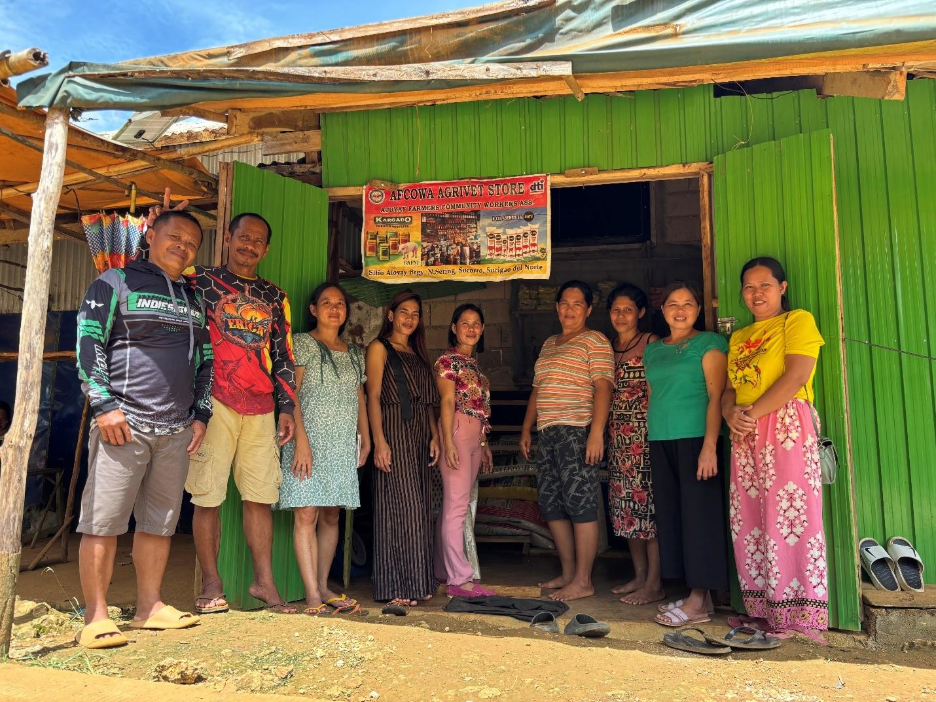
Institutionalizing the sclr approach, the AFCOWA expanded their rice trading project in 2023 and established an Agrivet business, distributing agricultural and veterinary goods. These projects amounting to ₱139,800 were supported by Vitol and Legatum, benefiting dozens of families in Atoyay and nearby areas. These projects not only serve AFCOWA members but other neighboring organizations.
What began as a response intervention has evolved into a small but thriving community enterprise.
“The sclr approach, through EcoWEB, was better because we decided the intervention based on what we want and what we need. We are trusted with the micro-grant,” shared Alexa Savandal, another member.
Unlike traditional aid programs that provide support based on what the funders want, the sclr prioritizes trust — allowing communities to design solutions that fit their realities. For AFCOWA, this restored not only livelihoods, but also confidence and dignity.
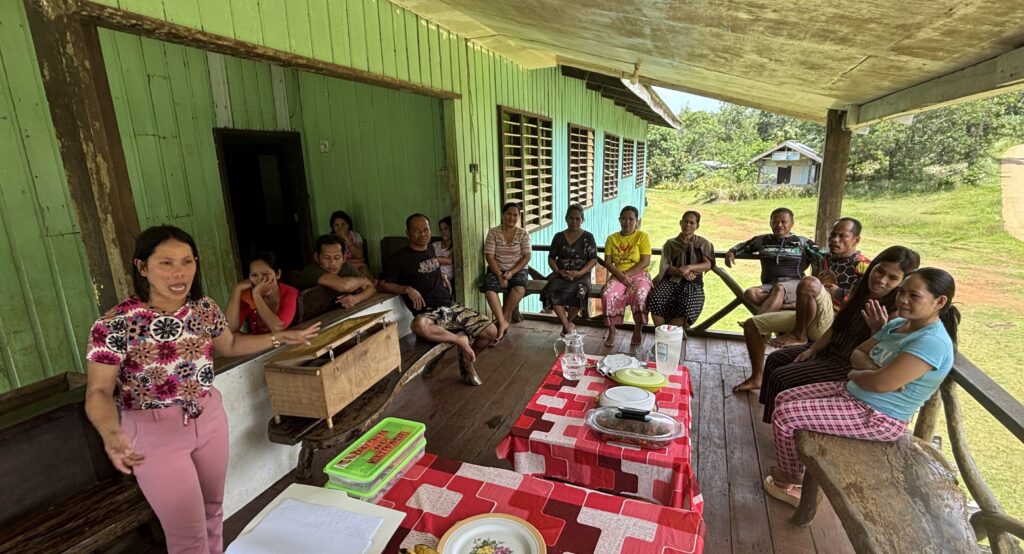
Behind every decision AFCOWA made was a shared commitment to cooperation, respect, and transparency. Weekly meetings became spaces not only for planning, but also for paghigalaay— strengthening relationships and trust. No decision moved forward without consensus.
“Before making any decision, we all meet first. We follow what the majority agrees on, not just one person,” explained Shanie Guma, AFCOWA President.
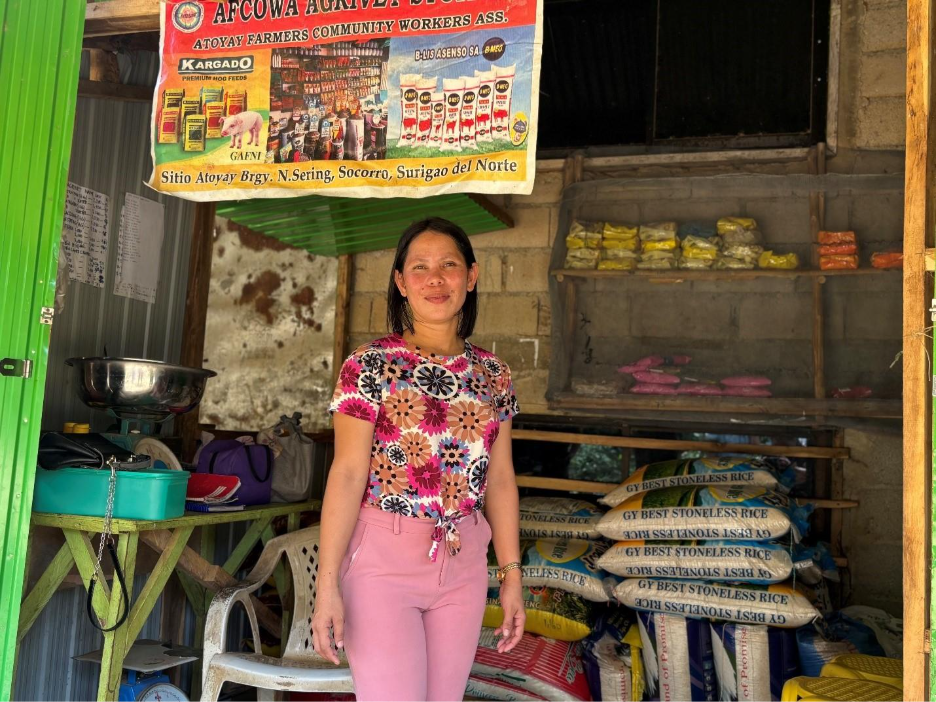
Now officially registered with the Department of Labor and Employment (DOLE), AFCOWA has grown 66 members, including farmers, women, senior citizens, and 4Ps beneficiaries.
Their next target includes establishing a small office, acquiring a vehicle for transporting goods, and strengthening their financial management skills.
As ECOWEB continues to work alongside organizations like AFCOWA, the lesson remains clear: recovery is most sustainable when it is shaped by the people themselves — rooted in cooperation, strengthened by trust, and driven by dignity.